Foldable smartphones are entering a new phase of evolution, with manufacturers increasingly focusing on making them more compact and practical for everyday use. Instead of simply making larger foldable displays, companies are now embracing a “passport-sized” design that offers the convenience of a regular smartphone while unfolding into a larger screen when needed.
The shift is expected to redefine the foldable phone experience in 2026, with devices such as the Samsung Galaxy Z Fold 8 and the rumoured iPhone Ultra leading the trend.
A Slimmer, More Comfortable Form Factor
One of the biggest criticisms of early foldable phones was their bulky and heavy design. Even when folded, many devices felt thick and awkward to carry, making them less practical than conventional smartphones.
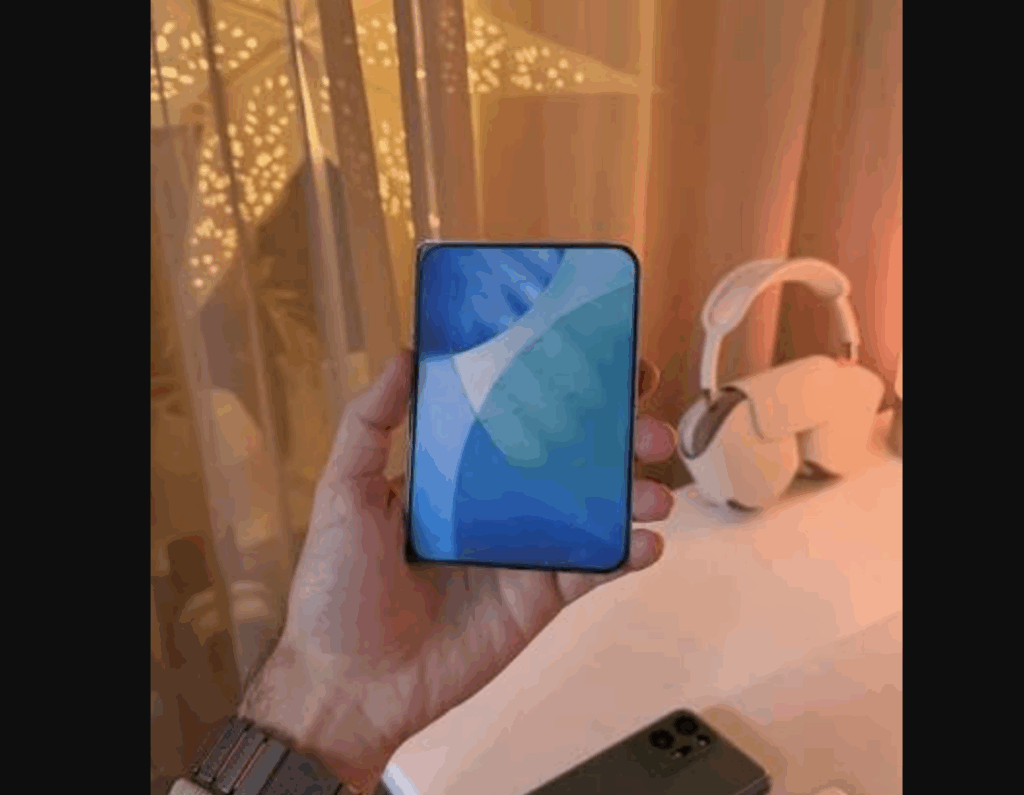
The latest generation of foldables is addressing this issue by adopting a narrower, passport-like shape. The redesigned form factor makes the phones easier to grip, operate with one hand and fit comfortably into pockets without compromising on screen size.
Big Screen When Needed, Compact When Folded
The passport-style design allows users to enjoy the best of both worlds. When folded, the device resembles a compact smartphone that is easy to carry and use for everyday tasks such as messaging, calling and browsing.
When opened, it transforms into a larger display suitable for multitasking, watching videos, gaming, reading documents and editing content. This balance between portability and productivity is becoming a key selling point for premium foldables.
Samsung and Apple Expected to Drive the Trend
Samsung’s Galaxy Z Fold 8 is expected to further refine the slimmer foldable design introduced by previous generations, with improvements in thickness, weight and overall ergonomics.
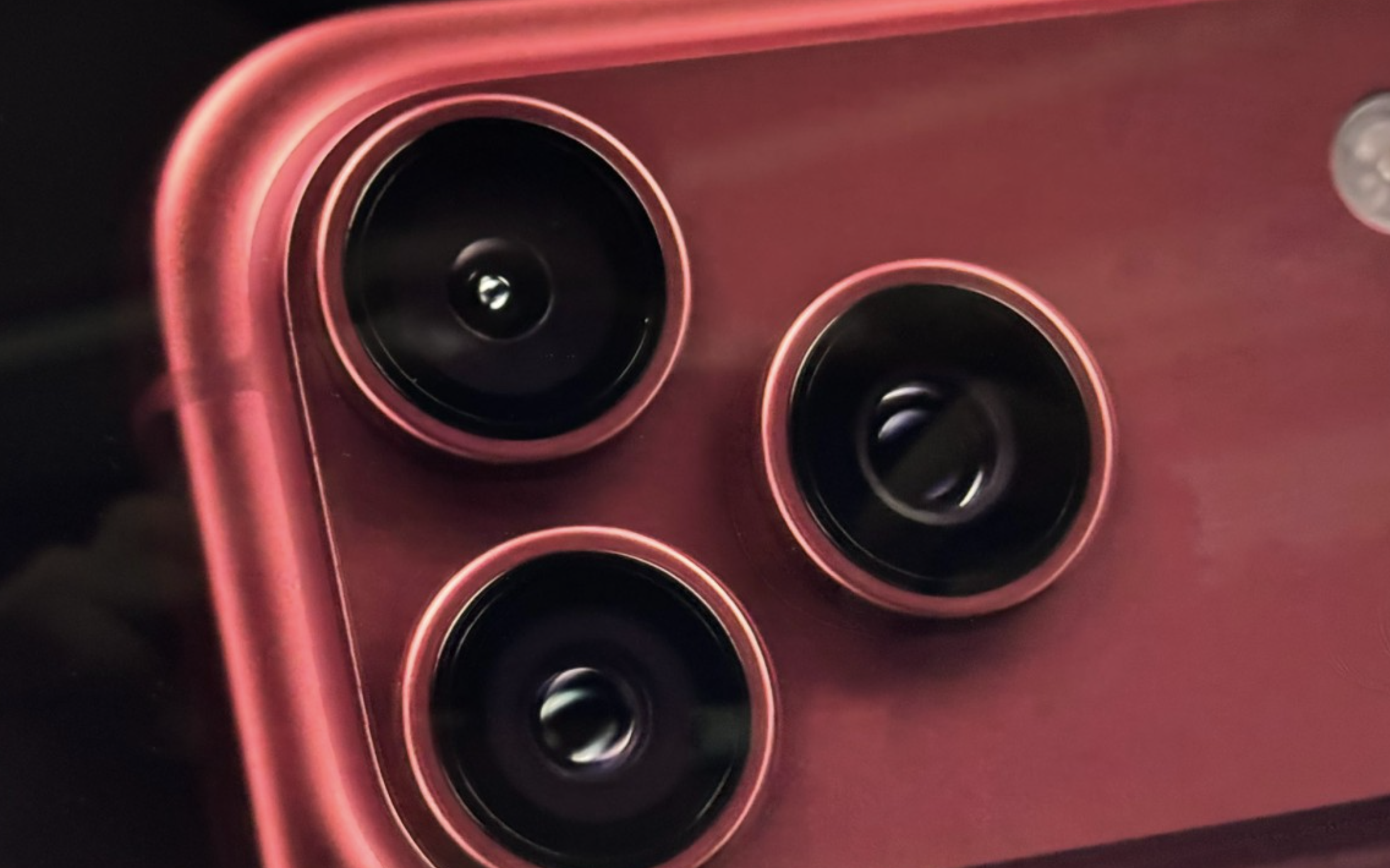
Meanwhile, Apple’s widely anticipated foldable device, often referred to as the iPhone Ultra, is also expected to adopt a similar passport-inspired form factor. Industry observers believe Apple is prioritising portability and ease of use rather than simply creating a larger smartphone.
Foldables Move Towards Mainstream Adoption
The emphasis on compact design reflects the maturing foldable smartphone market. Rather than focusing solely on cutting-edge technology, manufacturers are now solving real-world usability challenges that previously discouraged many buyers.
As foldables become thinner, lighter and more durable, they are expected to appeal to a much wider audience, narrowing the gap between traditional smartphones and premium foldable devices.
Summary
Foldable smartphones are evolving towards a compact “passport-sized” design that combines portability with the benefits of a large foldable display. Devices such as the Samsung Galaxy Z Fold 8 and the rumoured iPhone Ultra are expected to make foldables slimmer, lighter and easier to carry, bringing the category closer to mainstream adoption in 2026.
Foldable smartphones are entering a new phase of evolution, with manufacturers increasingly focusing on making them more compact and practical for everyday use. Instead of simply making larger foldable displays, companies are now embracing a “passport-sized” design that offers the convenience of a regular smartphone while unfolding into a larger screen when needed.
The shift is expected to redefine the foldable phone experience in 2026, with devices such as the Samsung Galaxy Z Fold 8 and the rumoured iPhone Ultra leading the trend.
A Slimmer, More Comfortable Form Factor
One of the biggest criticisms of early foldable phones was their bulky and heavy design. Even when folded, many devices felt thick and awkward to carry, making them less practical than conventional smartphones.
The latest generation of foldables is addressing this issue by adopting a narrower, passport-like shape. The redesigned form factor makes the phones easier to grip, operate with one hand and fit comfortably into pockets without compromising on screen size.
Big Screen When Needed, Compact When Folded
The passport-style design allows users to enjoy the best of both worlds. When folded, the device resembles a compact smartphone that is easy to carry and use for everyday tasks such as messaging, calling and browsing.
When opened, it transforms into a larger display suitable for multitasking, watching videos, gaming, reading documents and editing content. This balance between portability and productivity is becoming a key selling point for premium foldables.
Samsung and Apple Expected to Drive the Trend
Samsung’s Galaxy Z Fold 8 is expected to further refine the slimmer foldable design introduced by previous generations, with improvements in thickness, weight and overall ergonomics.
Meanwhile, Apple’s widely anticipated foldable device, often referred to as the iPhone Ultra, is also expected to adopt a similar passport-inspired form factor. Industry observers believe Apple is prioritising portability and ease of use rather than simply creating a larger smartphone.
Foldables Move Towards Mainstream Adoption
The emphasis on compact design reflects the maturing foldable smartphone market. Rather than focusing solely on cutting-edge technology, manufacturers are now solving real-world usability challenges that previously discouraged many buyers.
As foldables become thinner, lighter and more durable, they are expected to appeal to a much wider audience, narrowing the gap between traditional smartphones and premium foldable devices.
Summary
Foldable smartphones are evolving towards a compact “passport-sized” design that combines portability with the benefits of a large foldable display. Devices such as the Samsung Galaxy Z Fold 8 and the rumoured iPhone Ultra are expected to make foldables slimmer, lighter and easier to carry, bringing the category closer to mainstream adoption in 2026.