As geopolitical tensions continue to rise across Europe, Finland’s decades-long investment in civil defence is drawing global attention. Beneath the streets of Helsinki lies an extensive underground network capable of sheltering nearly one million people during emergencies. Built over several decades, the vast system combines bomb shelters with everyday public facilities, ensuring they remain fully functional and ready for use if a crisis occurs.
A City Beneath The City
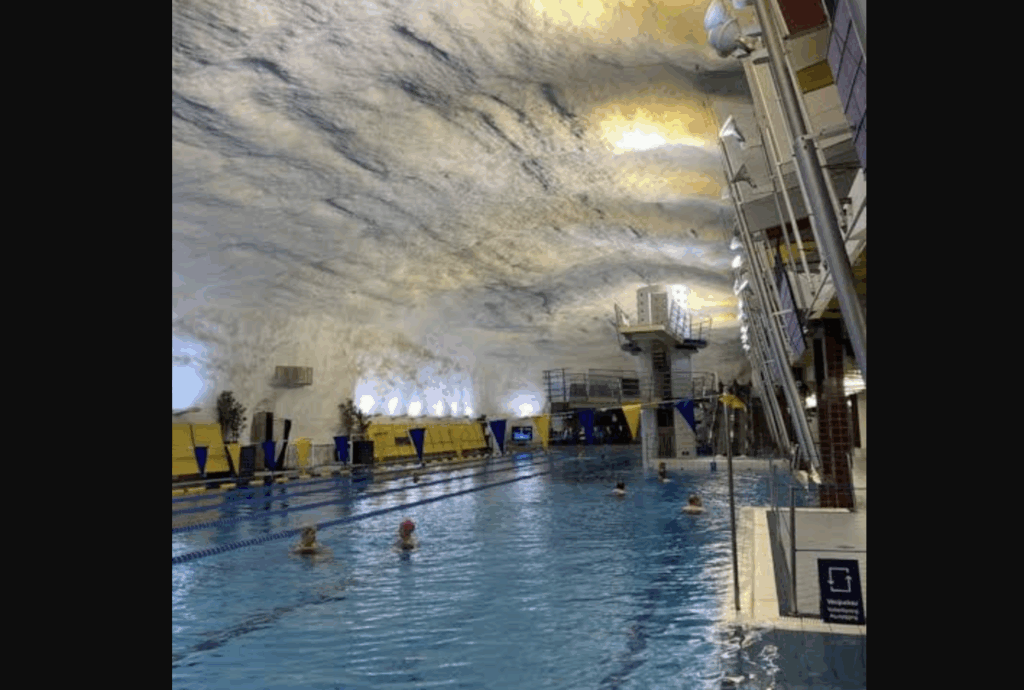
Helsinki sits atop a remarkable underground network consisting of around 5,500 civil defence shelters connected through tunnels carved into solid bedrock. Although designed to protect civilians during military conflicts, many of these facilities serve everyday purposes during peacetime.
Swimming pools, sports complexes, playgrounds, parking facilities, skating rinks, and even recreational spaces can quickly be converted into emergency shelters when required.
Preparedness Rooted In History
Finland’s strong focus on civil defence dates back to the Winter War of 1939. Sharing one of NATO’s longest borders with Russia, the country has continued expanding its shelter network even after the Cold War ended.
Unlike many nations that reduced defence preparations, Finland maintained long-term investments in emergency infrastructure, ensuring that large sections of its population can be protected during wartime or major disasters.
Built To Handle Extreme Emergencies
The underground shelters are equipped with blast-resistant doors, independent power supplies, ventilation systems, water storage, emergency equipment, and protection against chemical, biological, and radioactive threats.
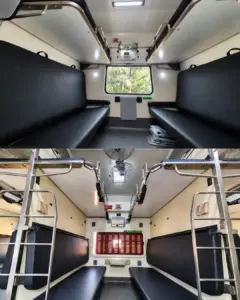
Many facilities also contain portable beds, sanitation systems, communication equipment, and designated areas for families, elderly residents, and vulnerable groups, allowing people to remain safely underground for extended periods if necessary.
Dual-Use Design Keeps Facilities Ready
One of the most distinctive features of Finland’s shelter system is its dual-purpose design. Instead of leaving bunkers unused, authorities convert them into community facilities that are actively used every day.
This approach ensures that the infrastructure remains well maintained while familiarising residents with the locations, making emergency evacuations quicker and more efficient if a crisis occurs.
A Model For Other Countries
Finland’s preparedness has attracted increasing international interest as governments reassess their emergency planning in response to global security concerns. Officials from several countries have visited Helsinki to study its underground infrastructure, viewing it as a model for strengthening civilian protection and urban resilience.
The country’s long-term investment demonstrates how emergency infrastructure can be integrated into daily life without remaining idle during peacetime.
Summary
Finland has developed an extensive underground network beneath Helsinki capable of sheltering nearly one million people during emergencies. The city includes thousands of bomb shelters that double as public facilities such as sports centres, swimming pools, and playgrounds. Equipped with independent utilities and emergency systems, the network has become a global example of long-term civil defence and disaster preparedness.