Study Raises Concerns Over E20 Fuel Compatibility
A recent study by the Automotive Research Association of India (ARAI) has highlighted potential concerns regarding the long-term use of E20 petrol in older vehicles originally designed for E10 fuel. The findings suggest that while E20 supports India’s cleaner mobility goals, certain older vehicles may experience faster wear of fuel system components if they are not compatible with the higher ethanol blend.
Rubber Components May Wear Faster
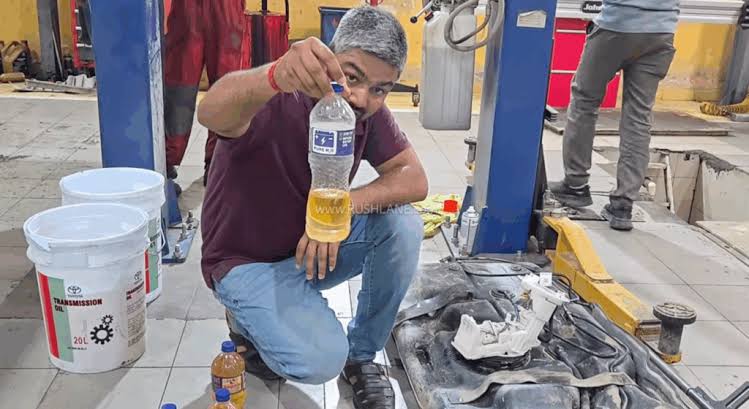
According to the study, metal parts showed little to no impact from prolonged exposure to E20 petrol. However, rubber components such as hoses, seals, gaskets and O-rings were found to deteriorate more quickly over time. Since these parts help maintain the fuel system, excessive wear could eventually lead to fuel leaks, reduced efficiency or maintenance issues in older vehicles.
Newer Vehicles Are Better Equipped
The report clarifies that modern vehicles specifically designed for E20 fuel are unlikely to face these problems. Automakers have upgraded materials and engine components in E20-compatible models to withstand higher ethanol content. As a result, the concerns are largely limited to vehicles manufactured before E20 compatibility became standard.
India Continues Its E20 Rollout
The nationwide rollout of E20 petrol remains a key part of India’s strategy to reduce dependence on imported crude oil and lower vehicle emissions. While the transition is expected to deliver environmental and economic benefits, experts believe owners of older vehicles should be made aware of possible compatibility issues and the importance of regular maintenance.
What Owners Of Older Vehicles Should Do
Vehicle owners are advised to check their manufacturer’s recommendations before using E20 petrol regularly. Older vehicles may benefit from periodic inspections of rubber fuel-system components to identify signs of wear before they become serious problems. The study does not indicate that E20 will immediately damage engines, but it does stress the importance of preventive maintenance for non-E20-compatible vehicles.
Summary
An ARAI study suggests that prolonged use of E20 petrol may accelerate wear of rubber fuel-system components in older E10-compatible vehicles. Newer E20-ready vehicles are not expected to face these issues. Experts recommend that owners of older vehicles follow manufacturer guidelines and inspect fuel-system parts regularly to ensure safe and reliable long-term performance.