After years of embracing large touchscreens and minimalist car interiors, China is set to reverse course by requiring physical buttons for essential vehicle functions. Under new regulations expected to take effect from July 1, 2027, all newly manufactured vehicles in the country will need dedicated physical controls for several critical safety features.
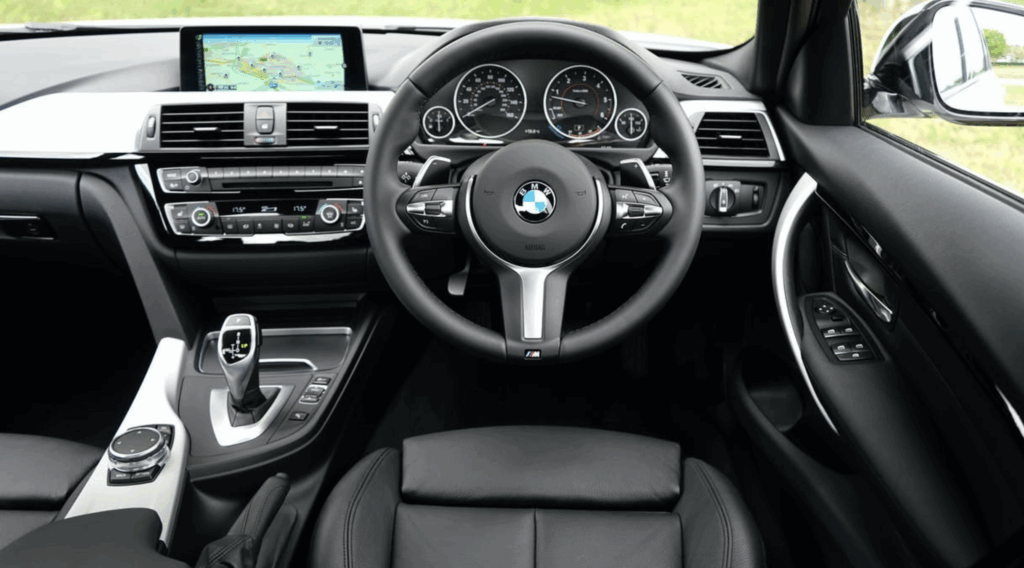
The move is aimed at reducing driver distraction, improving road safety, and ensuring that essential functions remain accessible even if a vehicle’s touchscreen system fails.
Physical Controls Mandatory For 19 Key Functions
The proposed rules require automakers to provide physical buttons or switches for 19 core vehicle functions, including:
- Turn indicators
- Hazard lights
- Gear selection
- Windscreen wipers
- Window defrosters
- Power windows
- Emergency SOS system
- Advanced driver assistance (ADAS) activation
- Electric vehicle power-off switch
The regulations also specify that these buttons must have a minimum size of 10 mm × 10 mm, be easy to locate without looking away from the road, and continue functioning even if the central infotainment display malfunctions.
A Shift Away From Screen-Heavy Interiors
Chinese electric vehicle manufacturers have been among the biggest adopters of large touchscreen displays, often replacing traditional buttons with digital menus. While this approach created cleaner, more futuristic interiors, it also drew criticism for making simple tasks—such as adjusting climate controls or activating wipers—more distracting while driving.
Safety experts have increasingly warned that navigating multiple touchscreen menus forces drivers to take their eyes off the road for longer periods, potentially increasing accident risks.
Global Automakers Already Changing Direction
The move aligns with a broader industry trend. Several major manufacturers, including Volkswagen, have already acknowledged that relying too heavily on touch controls was a mistake. The company has announced plans to reintroduce physical buttons in future models after customer feedback highlighted usability concerns.
Europe has also tightened safety standards. Updated Euro NCAP protocols now favour vehicles with physical controls for essential functions, encouraging manufacturers to move away from touchscreen-only interfaces.
Safety Takes Priority Over Minimalism
China’s decision reflects a growing recognition that while digital interfaces offer flexibility and modern aesthetics, they should not come at the expense of safety and usability. By mandating tactile controls for critical operations, regulators hope to create vehicles that are easier and safer to operate in everyday driving as well as emergency situations.
The new rules could influence global vehicle design, especially as many manufacturers build common platforms for multiple international markets.
Summary (60 Words)
China will require all newly manufactured vehicles from July 2027 to feature physical buttons for 19 essential safety functions, reducing reliance on touchscreens. The regulations aim to minimise driver distraction, improve usability, and enhance road safety. The move mirrors a broader industry shift, with global automakers and European safety authorities also favouring the return of tactile controls.