Air India is planning to reduce around 100 flights per day across its domestic and international network as soaring jet fuel prices put pressure on operations.
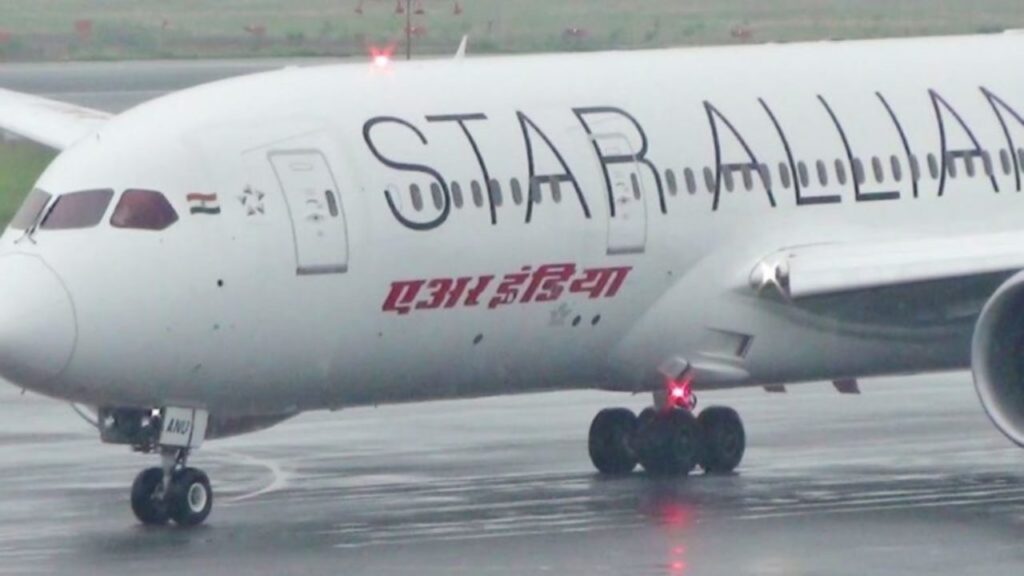
Given that the airline operates roughly 1,100 daily flights, this could mean a reduction of nearly 10% of its total schedule—a significant operational shift.
Fuel Prices Driving the Crisis
The main trigger behind this decision is the sharp rise in Aviation Turbine Fuel (ATF) prices, which has become a major burden for airlines.
Fuel costs already account for 40–60% of airline expenses, and recent global oil price spikes—driven by geopolitical tensions—have made operations increasingly unsustainable.
In fact, jet fuel prices have surged nearly 80% in recent weeks, severely impacting airline margins.
Routes Most Likely to Be Affected
The flight cuts are expected to impact both domestic and international routes, but the biggest reductions will likely be on long-haul sectors.
Key routes facing the steepest cuts include:
- Europe
- North America
- Australia
- Singapore
These routes are more fuel-intensive and have become harder to operate profitably under current conditions.
Not Just Fuel: Other Challenges Too
Apart from rising fuel costs, airlines are also dealing with:
- Airspace restrictions in regions like West Asia
- Longer flight routes increasing fuel consumption
- Currency fluctuations affecting dollar-denominated costs
These combined factors are pushing airlines like Air India to rethink their network strategy.
Impact on Passengers
For travelers, this could mean:
- Reduced flight options
- Possible fare increases
- Longer travel times due to fewer direct flights
However, airlines may prioritize high-demand routes while cutting less profitable ones.
Part of a Bigger Aviation Crisis
Air India’s move is not an isolated case. Airlines globally are facing similar pressures due to rising fuel costs and supply disruptions.
In India, multiple carriers have already warned that continued fuel price hikes could make certain routes financially unviable.
A Temporary or Long-Term Shift?
Air India has indicated that these cuts may be temporary, depending on how fuel prices evolve.
However, if costs remain high, airlines may be forced to adopt long-term structural changes, including reduced capacity and higher ticket prices.
The Bottom Line
The planned 100-flight daily cut highlights a key reality—fuel prices can make or break airline operations.
As global oil volatility continues, the aviation sector may face more disruptions, impacting both airlines and passengers in the months ahead.
Summary
Air India plans to cut around 100 flights daily—nearly 10% of its schedule—due to soaring jet fuel prices. Long-haul routes like Europe, North America, and Australia will be most affected. Rising fuel costs, geopolitical tensions, and operational challenges are forcing airlines to reduce capacity, potentially leading to fewer flights, higher fares, and broader disruption across the aviation sector.