India’s largest stock exchange has finally taken a major step toward becoming a publicly listed company. The National Stock Exchange (NSE) has filed draft papers for its long-awaited initial public offering (IPO), bringing an end to years of uncertainty and regulatory hurdles that repeatedly delayed the process.
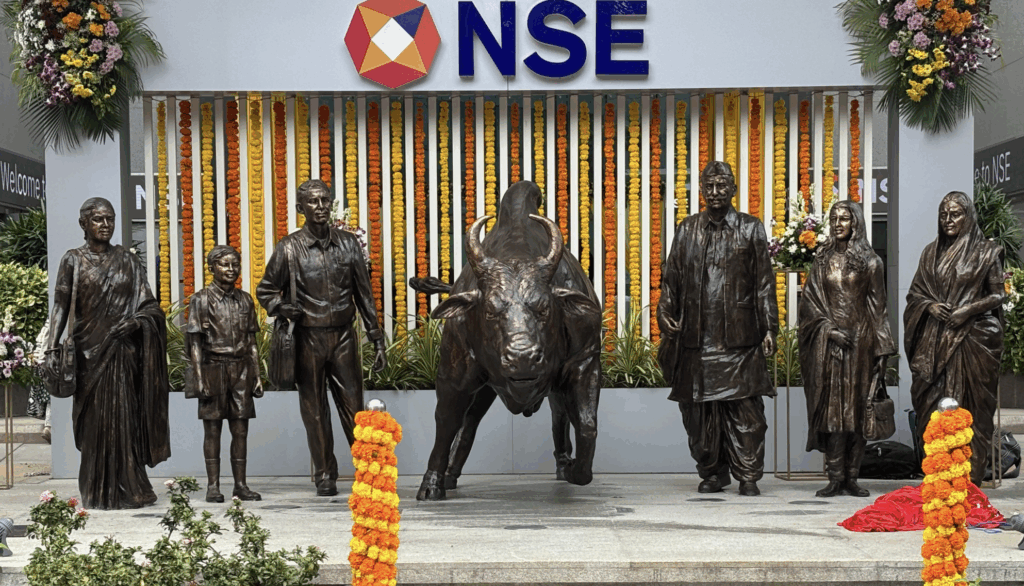
The move marks one of the most significant developments in India’s capital markets this year and could result in one of the country’s largest IPOs ever.
A Listing Nearly Ten Years in the Making
NSE first explored plans to go public in 2016, but its ambitions were derailed by a series of regulatory issues, including investigations related to the exchange’s co-location controversy and subsequent legal proceedings.
Over the years, the exchange worked with regulators to resolve outstanding concerns and secure the approvals needed to proceed. Earlier this year, the Securities and Exchange Board of India (SEBI) cleared a major obstacle by granting the exchange permission to move forward with the listing process.
The latest filing officially puts NSE back on the IPO track after nearly a decade of delays.
What the IPO Will Include
According to the draft filing, the IPO will be structured primarily as an Offer for Sale (OFS), meaning existing shareholders will sell part of their holdings rather than the exchange issuing new shares.
Reports indicate that approximately 148.9 million equity shares, representing around 6% of the company, will be offered through the IPO. Major shareholders expected to participate include institutional investors such as State Bank of India, Temasek, Canada Pension Plan Investment Board, and several other domestic and global investors.
The exact issue size and pricing details are expected to be announced closer to the public offering.
One of India’s Most Valuable Unlisted Companies
NSE is widely regarded as one of India’s most valuable unlisted companies. Industry estimates have placed its valuation at around $55 billion, making it one of the largest stock exchange operators globally by market value.
The exchange is also the world’s largest derivatives exchange by trading volume and serves millions of investors through its equity, derivatives, debt, and commodity platforms.
Its strong market position has helped it become one of the most closely watched IPO candidates in India’s financial sector.
Strong Financial Performance
The exchange enters the IPO process from a position of financial strength. For the financial year ending March 2026, NSE reported total income of approximately ₹18,700 crore and net profit of more than ₹10,300 crore.
The company’s profitability has been supported by strong trading activity, particularly in the derivatives segment, which continues to dominate India’s capital markets.
The exchange also has one of the largest shareholder bases among unlisted Indian companies, with more than 200,000 shareholders.
Why the IPO Matters
The listing is expected to improve transparency, strengthen corporate governance, and provide liquidity for long-time shareholders who have been waiting years for an exit opportunity.
For investors, the IPO offers a chance to own a stake in one of the most important institutions in India’s financial ecosystem. The offering is also expected to attract strong interest from both domestic and international investors given NSE’s dominant market position.
What Happens Next?
With the draft papers now filed, the exchange will undergo the standard regulatory review process before launching the public issue. Market participants expect the IPO to be among the largest listings of 2026, potentially rivaling other mega offerings expected this year.
If completed successfully, the IPO will mark the culmination of a journey that began nearly a decade ago and will open a new chapter in the history of India’s largest stock exchange.