Apple customers may soon have to pay more for iPhones, Macs, and iPads. CEO Tim Cook has indicated that price increases are becoming increasingly difficult to avoid as the company grapples with soaring memory chip costs caused by the global artificial intelligence boom.
The warning comes after months of mounting pressure on the technology industry, where growing demand for AI infrastructure has triggered an unprecedented scramble for memory and storage chips. Apple, like many consumer electronics manufacturers, is now competing with some of the world’s largest AI companies for limited supplies of critical components.
Why Memory Chip Prices Are Surging
The rapid expansion of artificial intelligence has dramatically increased demand for memory chips used in data centres. Technology giants are investing hundreds of billions of dollars into AI infrastructure, creating intense competition for DRAM and NAND memory supplies.
As a result, memory manufacturers have increasingly prioritised high-margin AI customers, leaving consumer electronics companies facing rising costs and tighter supplies. Apple has repeatedly warned investors throughout 2026 that memory costs were increasing significantly and would continue to impact its business.
The company had initially managed to soften the impact by relying on previously stockpiled inventory purchased before prices surged. However, those reserves are gradually being depleted.
Tim Cook Says Price Hikes Are Becoming Unavoidable
In a recent interview, Cook acknowledged that Apple has tried to shield consumers from the full impact of rising component costs. However, he admitted that the situation has reached a point where absorbing those increases internally may no longer be sustainable.
While Apple has not announced which products could be affected or how much prices might increase, Cook indicated that adjustments are likely if current market conditions persist.
The comments represent one of the clearest indications yet that consumers may soon feel the effects of the ongoing memory crisis.
Which Apple Products Could Be Affected?
Apple has not officially identified specific products that could see higher prices. However, analysts believe memory-intensive devices such as iPhones, MacBooks, iPads, and professional workstation products are among the most likely candidates.
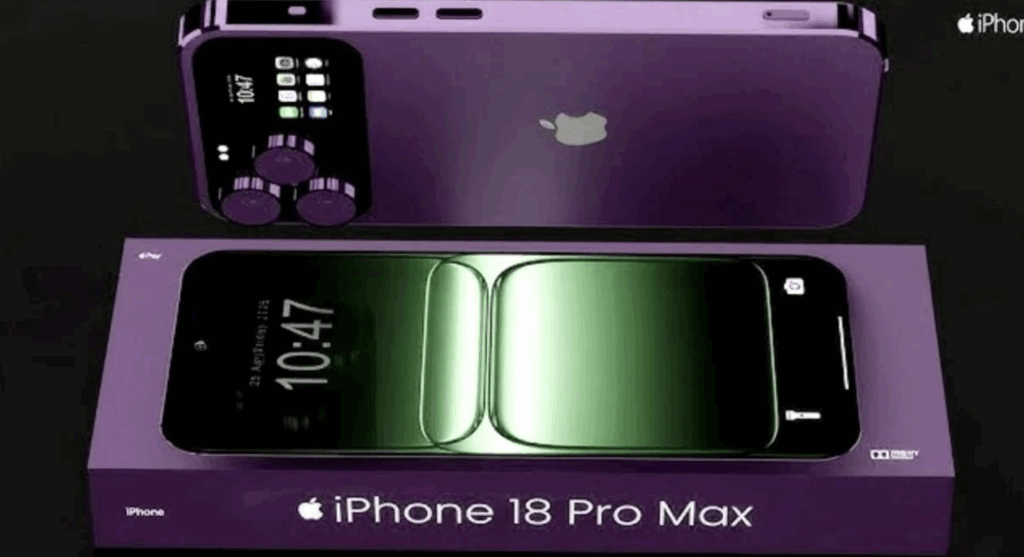
Industry observers have suggested that premium models may be affected first, particularly those equipped with larger memory and storage configurations. The expected launch of Apple’s next-generation iPhone lineup later this year has also fuelled speculation about possible price adjustments.
The AI Boom’s Growing Impact on Consumers
The memory shortage highlights how the AI revolution is beginning to affect ordinary consumers. While AI investments have primarily been associated with data centres and cloud services, the resulting demand for hardware components is now influencing pricing across the broader technology industry.
Several technology companies have already warned of rising costs linked to memory shortages, and analysts expect the supply-demand imbalance to continue well into 2027.
What Happens Next?
Apple has not yet provided a timeline for any price increases, but industry experts believe changes could arrive alongside upcoming product launches later this year. The company is reportedly exploring multiple strategies to manage costs, though building its own memory manufacturing capabilities is not currently under consideration.
For consumers planning to purchase a new iPhone, Mac, or iPad, the latest comments from Tim Cook suggest that waiting too long could mean paying a higher price in the months ahead. As AI demand continues to reshape the semiconductor industry, the era of stable consumer electronics pricing may be coming to an end.