UP Rural Women Drive A New White Revolution, 73,000 Become Lakhpati Didis Through Dairy
Nearly 4 Lakh Women Join UP’s Dairy Revolution
Uttar Pradesh is witnessing a major transformation in its rural economy, with nearly 4 lakh women across 31 districts now participating in a women-led dairy network.
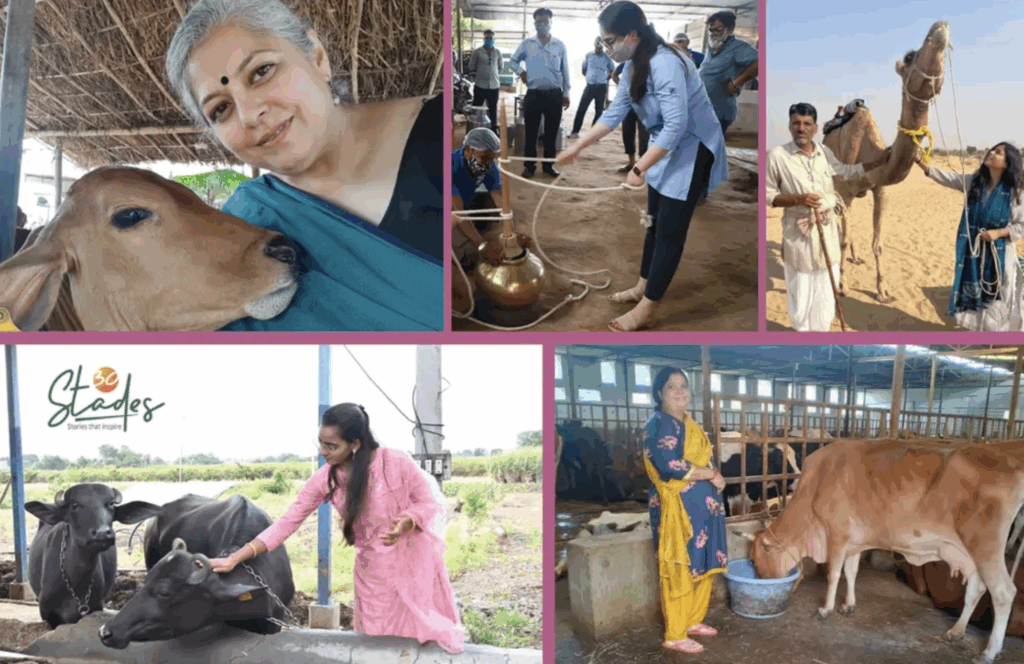
Together, these women are collecting approximately 12.5 lakh litres of milk every day, turning dairy farming from a supplementary household activity into a more organised and sustainable source of income.
The most striking achievement is that more than 73,000 women have become Lakhpati Didis through the dairy model.
73,000 Women Cross ₹1 Lakh Annual Income
The Lakhpati Didi model focuses on helping rural women achieve an annual household income of at least ₹1 lakh.
In Uttar Pradesh, dairy has emerged as one of the strongest livelihood models for achieving this target.
Women are increasingly involved not only in producing milk but also in collection, testing, record-keeping, payments and marketing.
This is giving them greater control over the economics of their businesses.
From Cattle Rearing To Entrepreneurship
Traditionally, dairy activities in rural households were often treated as an additional source of income.
The new model is changing that approach.
Women are being organised through self-help groups and linked with structured milk collection and marketing networks.
Instead of simply selling milk locally, they are becoming active participants in the wider dairy value chain.
This creates a more predictable source of income while giving women greater economic independence.
31 Districts, 12.5 Lakh Litres Every Day
The scale of the programme is significant.
Across 31 districts of Uttar Pradesh, women participating in the initiative are collectively handling around 12.5 lakh litres of milk every day.
The network is effectively creating a large women-led rural supply chain connecting milk producers with organised markets.
The model also has the potential to reduce dependence on intermediaries who traditionally controlled parts of the rural milk trade.
Technology Is Changing The Dairy Business
One of the biggest changes is the use of technology at village-level milk collection points.
Digital machines are being used to measure milk quantity and test its fat content.
Information about milk collection, pricing and payments can also be recorded digitally.
This creates greater transparency and allows women to track their earnings more easily.
For rural producers, digital records can also reduce disputes over milk quantity, quality and payments.
Less Dependence On Middlemen
The initiative is designed to connect rural women more directly with markets.
By reducing the role of middlemen, producers can potentially receive a larger and more transparent share of the value generated from their milk.
This is particularly important for small dairy producers, for whom even relatively small differences in milk prices can have a meaningful impact on household income.
Women Gain Control Over Money
The impact goes beyond the additional income.
When women manage milk collection, maintain financial records and receive payments directly, they gain greater control over money generated through their own work.
That can strengthen their role in household financial decisions and encourage them to invest further in livestock, dairy infrastructure and other income-generating activities.
The result is a shift from women being unpaid contributors to becoming recognised rural entrepreneurs.
Dairy Becomes A Route To Lakhpati Didi Status
The success of the dairy model shows why livestock-based livelihoods are becoming an important component of the Lakhpati Didi initiative.
Unlike some businesses that require substantial upfront investment, dairy can be scaled gradually.
A rural woman can begin with a small number of animals and expand her operation as income and access to finance improve.
Organised procurement and market access can further improve the viability of the business.
A New White Revolution In UP
The transformation is being described as a new White Revolution, but its significance goes beyond milk production.
The original White Revolution transformed India’s dairy sector by expanding organised milk production and creating stronger links between producers and consumers.
The Uttar Pradesh model adds another dimension by placing rural women at the centre of the value chain.
The focus is not simply on producing more milk, but on creating sustainable women-led businesses around dairy.
73,000 Success Stories Could Change Rural UP
With more than 73,000 women already reaching Lakhpati Didi status through the dairy model, the programme demonstrates how a traditional rural activity can be turned into a structured livelihood opportunity.
If the network continues expanding, it could create thousands of additional women entrepreneurs while strengthening the rural dairy economy.
For Uttar Pradesh, the bigger achievement may be that the milk economy is increasingly becoming a pathway to women’s financial independence, entrepreneurship and rural economic growth.
Summary
Nearly 4 lakh rural women across 31 districts of Uttar Pradesh are participating in a women-led dairy network that collects around 12.5 lakh litres of milk every day. More than 73,000 women have achieved Lakhpati Didi status through the model, earning at least ₹1 lakh annually. Digital milk testing, online records and direct payments are helping reduce dependence on middlemen while giving women greater control over their income. The initiative is creating a new model of rural women-led dairy entrepreneurship in Uttar Pradesh.