

The Union Cabinet has approved a 3-percentage-point increase in Dearness Allowance (DA) for central government employees and Dearness Relief (DR) for pensioners, providing financial relief ahead of the festive season. The decision, announced on October 28, 2026, raises the DA rate from 60% to 63% of basic pay and the DR rate from 60% to 63% of basic pension.
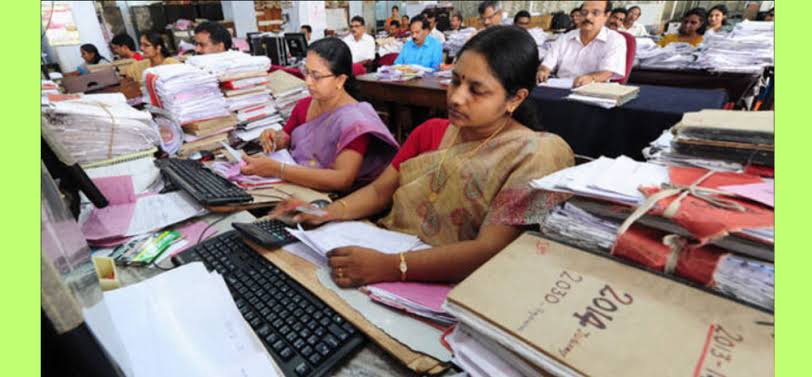
The revised rates will take effect retrospectively from July 1, 2026, meaning eligible employees and pensioners will receive the benefit for the period covered by the increase.
1.16 Crore Employees and Pensioners to Benefit
According to the government, approximately 48.54 lakh central government employees and 68.71 lakh pensioners will benefit from the latest revision. Together, the increase covers more than 1.17 crore people.
The combined annual financial impact on the government exchequer is estimated at ₹10,016.10 crore.
Dearness Allowance is paid to serving central government employees, while Dearness Relief is provided to pensioners. Both are revised periodically to help offset the impact of rising prices and changes in the cost of living.
The latest increase follows the formula based on the recommendations of the Seventh Central Pay Commission.
How Much Extra Money Will Employees Receive?
The additional amount will depend on an employee’s basic pay because DA is calculated as a percentage of that amount.
For example, an employee with a basic salary of ₹18,000 will receive an additional ₹540 per month following the three-percentage-point increase.
An employee drawing basic pay of ₹30,000 will receive an additional ₹900 per month, while someone with basic pay of ₹50,000 will receive ₹1,500 more each month.
The corresponding increase for pensioners will depend on their basic pension. These calculations cover the additional DA or DR only and do not include other salary components or deductions.
Arrears Applicable From July 2026
Since the revised rates are effective from July 1, 2026, eligible beneficiaries are entitled to the increased allowance for the period beginning on that date.
The arrears payable will depend on the individual’s basic pay or pension and the number of eligible months covered by the revised rate. The actual payment schedule will follow the government’s implementation instructions.
The retrospective effective date means the increase is not limited to payments made after the Cabinet announcement.
Why Does the Government Revise DA Twice a Year?
The Centre generally reviews DA and DR twice a year, with revisions taking effect from January and July. These adjustments are intended to help government employees and pensioners cope with inflation.
The latest revision follows the previous increase approved in April 2026, which raised the DA rate to 60% of basic pay.
The new rate of 63% provides additional inflation-linked support to government employees and pensioners. The announcement also comes ahead of the festive season, when additional income can help households manage their expenses.
The latest Cabinet decision provides a higher monthly allowance for eligible beneficiaries, with the financial benefit calculated according to their basic pay or pension.