A major shift may soon happen in the global automotive industry.

Japanese automaker Suzuki is reportedly preparing to overtake Honda in worldwide vehicle sales — and India is emerging as the single biggest reason behind this dramatic turnaround.
According to industry analysis, Suzuki’s global momentum has accelerated sharply due to the massive success of Maruti Suzuki in India, where the company continues to dominate the passenger vehicle market across multiple segments.
The development highlights how India is no longer just a growing automobile market — but increasingly a global power center shaping the future of international car manufacturers.
Maruti Suzuki Has Become Suzuki’s Global Backbone
For Suzuki, India is no longer simply an overseas market.
India has effectively become the company’s largest growth engine, manufacturing hub, export base, and profit center simultaneously.
Maruti Suzuki now contributes a massive portion of Suzuki Motor Corporation’s global sales volumes and profitability. The company dominates India’s affordable hatchback segment while rapidly expanding into SUVs, hybrid vehicles, and premium categories.
Popular models such as:
- Brezza
- Fronx
- Grand Vitara
- Baleno
- Swift
- WagonR
continue generating enormous sales volumes across urban and rural India alike.
India’s huge population, rising middle class, expanding road infrastructure, and increasing first-time car buyers have given Suzuki an advantage few global automakers currently enjoy.
The Backstory: How Suzuki Built Its India Empire
Suzuki’s India story began in the early 1980s when the Indian government partnered with Suzuki to modernize the country’s automobile industry.
At that time, India’s passenger car market was extremely small and technologically limited. The launch of the Maruti 800 transformed Indian mobility forever, introducing affordable and reliable personal transportation to millions of middle-class families.
Over the decades, Maruti Suzuki built:
- Massive dealership networks
- Deep rural penetration
- Affordable maintenance ecosystems
- Strong resale value
- Highly fuel-efficient vehicles
This created unmatched consumer trust across India.
While several global automakers entered and exited India over the years, Suzuki adapted aggressively to local preferences instead of treating India as merely an export market.
That long-term strategy is now paying off globally.
Why Honda Is Losing Ground
While Honda remains one of the world’s most respected automotive companies, its growth momentum has slowed in several important markets.
Honda continues to perform strongly in motorcycles and certain international car segments, but its passenger vehicle business has faced increasing pressure from:
- Chinese EV companies
- Korean automakers
- Toyota’s hybrid dominance
- Tesla’s EV disruption
- Intensifying competition in North America and Asia
In India specifically, Honda’s market share has fallen sharply over the past decade.
Models like the City continue to maintain brand value, but Honda struggled to capture India’s explosive SUV growth compared to companies like Maruti Suzuki, Hyundai, Mahindra, and Tata Motors.
Meanwhile, Suzuki aggressively expanded into compact SUVs and crossovers exactly when Indian buyer preferences shifted away from sedans.
India Is Becoming The World’s Auto Battleground
The larger story behind Suzuki’s rise is actually India’s growing importance in the global automobile industry.
For decades, China dominated global automotive growth. However, slowing Chinese demand, geopolitical tensions, and rising manufacturing diversification are now pushing companies to focus more aggressively on India.
India recently became the world’s third-largest automobile market by volume, overtaking Japan.
Global manufacturers increasingly view India not just as a sales destination but also as:
- A global export hub
- An engineering base
- A low-cost manufacturing ecosystem
- A future EV growth market
Companies that succeed in India are now gaining major global strategic advantages.
SUVs Changed Everything For Suzuki
One of the biggest turning points in Suzuki’s resurgence was its delayed — but eventually successful — SUV strategy.
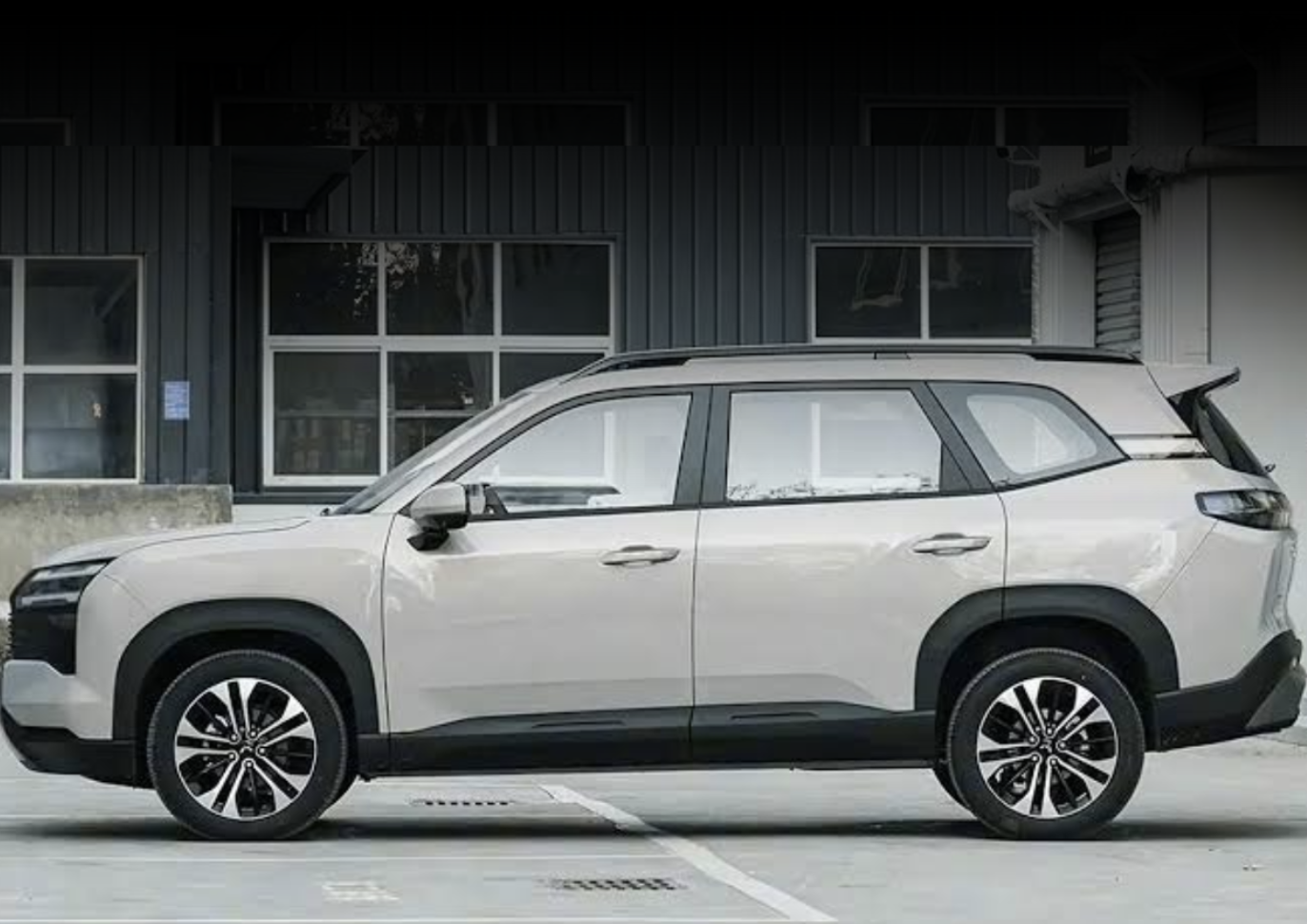
For years, critics argued Suzuki relied too heavily on small hatchbacks. However, the company eventually adapted through vehicles like the Brezza, Fronx, Jimny, and Grand Vitara.
These models allowed Suzuki to protect its affordable-car leadership while also entering India’s rapidly expanding SUV market.
Today, SUVs account for a major portion of India’s car sales growth, and Suzuki is benefiting heavily from that transition.
What Happens Next
Industry analysts believe Suzuki could strengthen its position even further if:
- India’s economy continues growing strongly
- Rural demand improves
- SUV sales remain strong
- Hybrid vehicle adoption increases
- Exports from India expand globally
Suzuki is also investing heavily in EVs, hybrids, battery partnerships, and local manufacturing capabilities to prepare for the next phase of global automotive competition.
For now, one thing is becoming increasingly clear: India is no longer just helping Suzuki grow — it may soon help the company surpass Honda on the global stage itself.