A social media influencer and YouTuber has landed in legal trouble after controversial comments targeting the judiciary resulted in a six-month jail sentence.
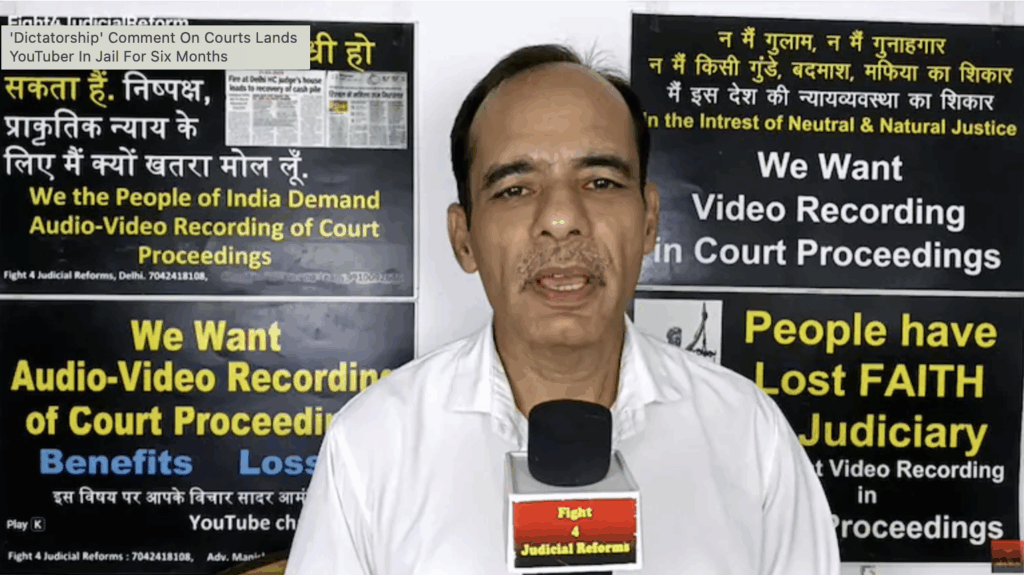
The case gained nationwide attention after the creator allegedly made remarks suggesting that courts in India were functioning like a “dictatorship.” The comments quickly spread online, triggering outrage, legal complaints, and intense public debate.
According to reports, the court viewed the statements as an attack on the dignity and credibility of the judicial system. Authorities argued that such comments could undermine public trust in constitutional institutions and encourage disrespect toward courts.
The sentencing has now become one of the most discussed free speech controversies on Indian social media.
Why The Court Took The Matter Seriously
The judiciary in India has strong powers under contempt of court laws, which are intended to protect the authority and functioning of courts.
Legal experts explain that criticism of judgments and legal decisions is generally allowed. However, remarks seen as insulting, scandalous, or aimed at lowering public confidence in the judiciary can attract contempt proceedings.
In this case, the court reportedly concluded that the YouTuber crossed the line between criticism and deliberate insult.
Supporters of the judgment argue that influential content creators with large audiences must exercise responsibility while discussing sensitive institutions. They believe reckless statements can damage public faith in the legal system.
Social Media Divided Over The Verdict
The verdict has sharply divided public opinion online.
Many users defended the YouTuber, arguing that democratic societies should allow criticism of powerful institutions, including courts. Some social media users described the punishment as excessive and warned that it could create fear around open discussions on governance and accountability.
Others, however, supported the court’s action, saying freedom of speech should not become freedom to insult constitutional bodies.
The controversy has once again highlighted the growing tension between digital creators, online expression, and legal boundaries in India’s rapidly expanding social media ecosystem.
Rise Of Influencer-Led Political Commentary
Over the last few years, YouTubers and independent creators have become major voices in political and social discussions. Many now command audiences larger than traditional media channels.
As a result, courts and authorities are increasingly monitoring online commentary that may influence public opinion or trigger unrest.
Experts believe the incident reflects a larger shift in India’s digital landscape, where creators are no longer seen as casual entertainers alone but as influential public communicators with social responsibility.
The case may also encourage content creators to become more cautious while discussing courts, politics, and government institutions.
Debate Around Free Speech Intensifies
The incident has revived a larger national debate around freedom of speech and contempt laws in India.
Critics of contempt laws argue that institutions should be open to strong public scrutiny in a democracy. On the other hand, supporters say unrestricted attacks on courts could weaken public trust in the justice system.
Legal analysts believe the balance between institutional respect and democratic criticism will continue to remain a sensitive issue in the digital era.
For now, the case serves as a reminder that online speech — especially from large influencers — can carry serious legal consequences in India.