Phase 3 Back on Track After Delays
The Bangalore Metro Rail Corporation Limited (BMRCL) has announced that tender invitations for the 28.4-km JP Nagar 4th Phase–Kempapura corridor will begin soon. Although the Central Government approved the plan nearly a year ago, tendering was repeatedly delayed due to the complex design of the double-decker viaduct combining metro and flyover structures.
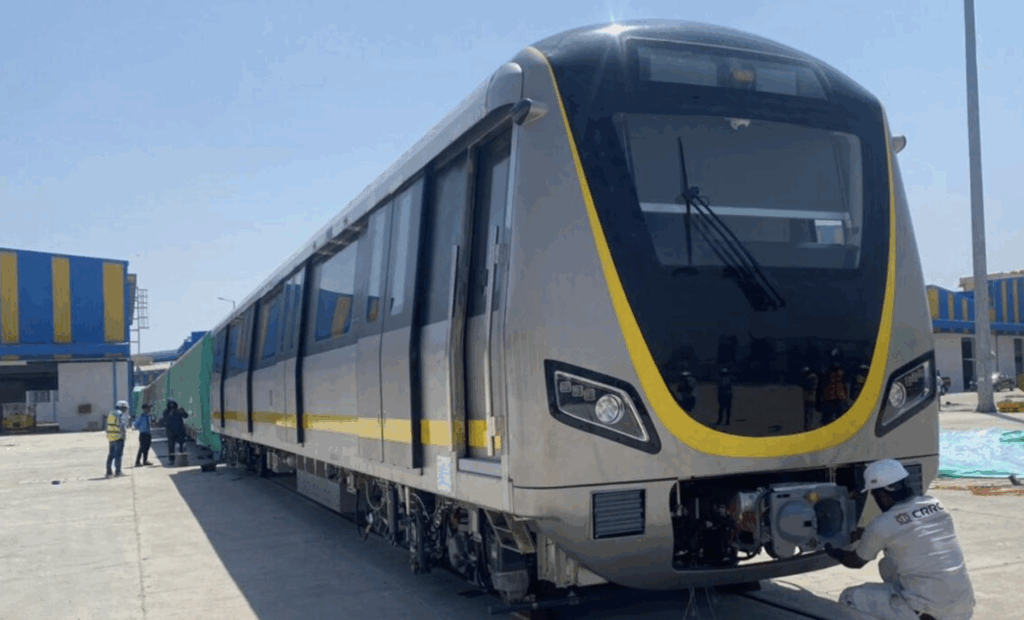
India’s First Double-Decker Metro Corridor
A key highlight of Phase 3 is India’s first integrated double-decker structure — 37.12 km in total length, including 28.4 km from JP Nagar to Kempapura and an 8.6-km stretch from Hosahalli to Kadabagere. The ₹9,700 crore project, cleared by the State Cabinet, represents a significant engineering milestone for Indian metro infrastructure.
Corridor Coverage and Connectivity
The new metro line will feature 30 stations and seven interchanges, linking vital areas such as JP Nagar, Kamakshipalya, Mysuru Road, Nagarabhavi, Sumanahalli, Nagashettihalli, and Kempapura. Once operational, the corridor will enhance connectivity across Bengaluru’s residential, commercial, and IT zones, easing congestion on major arterial routes.
Funding and Project Timelines
The ₹15,611 crore Phase 3 project will be co-funded by the State (50%), the Centre (10%), and loans (40%), including ₹7,577 crore from JICA. Originally targeted for completion by 2029, delays in planning have pushed the expected launch to 2031.
Expanding Bengaluru’s Metro Map
With 97 km currently operational and serving nearly 10 lakh passengers daily, Bengaluru’s metro is India’s second-largest after Delhi. The upcoming Phase 3A (Blue Line) — linking Sarjapur to Hebbal over 36.59 km — will further strengthen urban mobility with 28 new stations, including 11 underground.
As Phase 3 progresses, it promises to transform Bengaluru’s commute, reinforcing the city’s reputation as a frontrunner in modern, sustainable public transport.