The United States is preparing to introduce one of its biggest changes to student visa rules in decades. The White House has cleared a proposed regulation from the Department of Homeland Security (DHS) that would replace the long-standing “Duration of Status” (D/S) system with fixed periods of stay for international students and exchange visitors. If implemented, the rule will primarily affect F-1 student visas and J-1 exchange visitor visas, including hundreds of thousands of Indian students studying in the US.
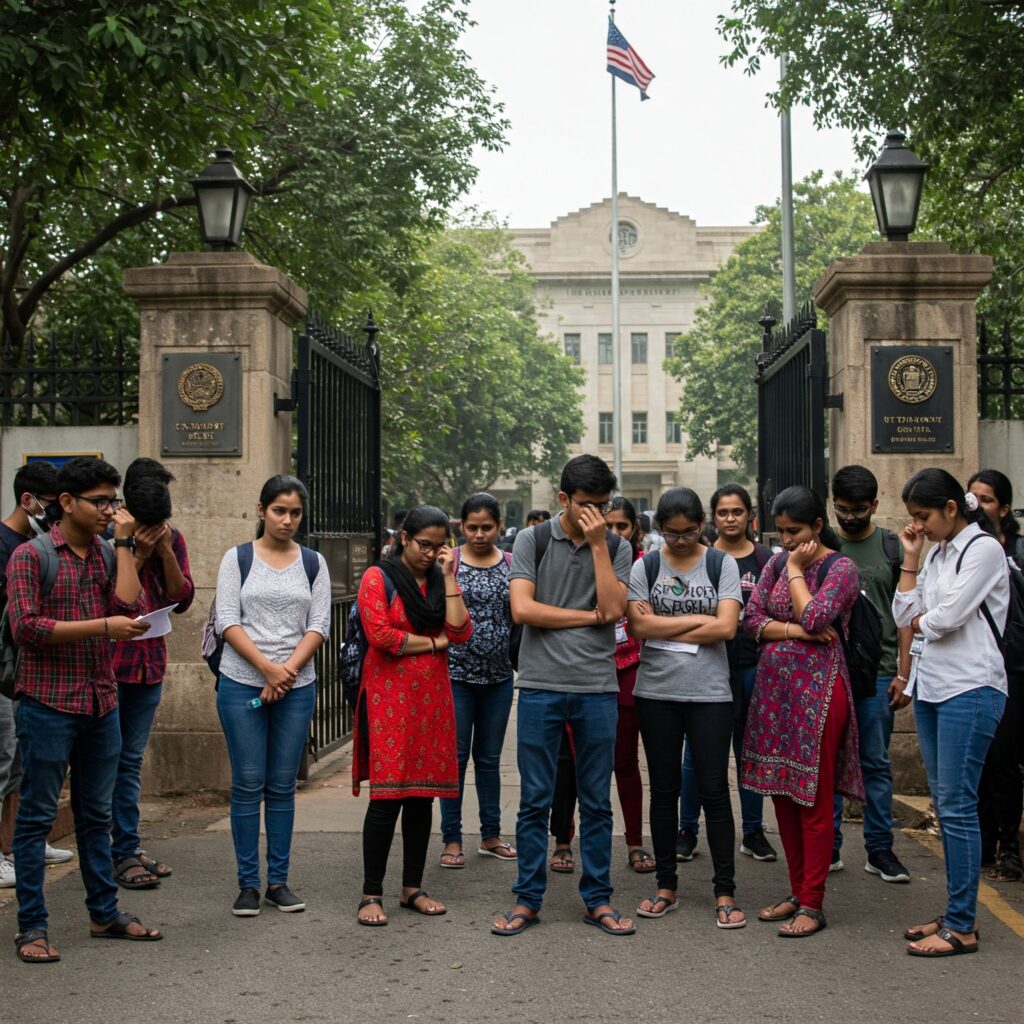
India is currently the largest source of international students in the United States, making the proposed changes particularly significant for Indian families planning higher education abroad.
What Is Changing?
Under the existing system, F-1 and J-1 visa holders can remain in the United States for the “Duration of Status,” meaning they are allowed to stay as long as they continue their approved academic programme and comply with visa conditions.
The proposed rule would replace this flexible arrangement with a fixed period of stay, generally capped at four years. Students whose courses extend beyond that period would have to apply for an extension from US Citizenship and Immigration Services (USCIS) instead of automatically remaining in legal status.
Longer Courses Could Face Challenges
The biggest impact is expected to be on students enrolled in programmes that often exceed four years, such as doctoral degrees, medical programmes, research-intensive master’s courses, and certain exchange programmes.
Instead of continuing under the existing D/S framework, these students may need to submit extension requests, pay additional government fees, and wait for immigration approvals before completing their studies. Universities have expressed concerns that the added paperwork could create uncertainty for students and institutions alike.
Indian Students Could Be Among the Most Affected
Indian students account for the largest international student population in the United States, with many pursuing STEM degrees, PhDs, and research programmes that frequently last beyond four years.
Education consultants believe the proposal could increase administrative costs, introduce delays in immigration processing, and make long-term academic planning more complicated. Students may also need to consider visa timelines more carefully before selecting programmes.
Universities Raise Concerns
Several higher education organisations have criticised the proposed rule, arguing that it could reduce the attractiveness of the United States as a study destination.
Universities warn that fixed stay limits may discourage talented international students, particularly researchers whose projects often require additional time due to scientific or academic reasons. Critics also argue that repeated extension applications could increase the workload for both students and immigration authorities.
Rule Yet to Take Effect
Although the White House has approved the regulation for final review, the rule has not yet come into force. It must complete the remaining regulatory process before becoming effective.
Current students already in the US are unlikely to see immediate changes until the final regulation is officially implemented. Immigration experts advise prospective students to closely monitor official announcements from the Department of Homeland Security and their universities before making travel or admission decisions.
A Significant Shift in US Immigration Policy
If implemented, the proposal would mark one of the most significant changes to US student immigration policy in years. While the government says the move is intended to strengthen immigration oversight, education institutions worry it could create additional uncertainty for international students.
For Indian students, who continue to view the US as one of the top destinations for higher education, the new rules could make visa planning more complex and require greater attention to programme duration and immigration timelines.
Summary
The US is preparing to replace the long-standing “Duration of Status” system for F-1 and J-1 visas with fixed periods of stay, generally capped at four years. The proposed rule could significantly affect Indian students pursuing long-duration programmes by requiring them to apply for visa extensions to complete their studies. While the regulation has received White House approval, it has not yet taken effect and remains subject to the final rulemaking process.