President Donald Trump has reaffirmed his aggressive trade policy, announcing a 25% tariff on all steel and aluminum imports, including those from Canada and Mexico. Speaking aboard Air Force One, he told reporters that these tariffs will take effect starting Monday, February 10, 2025.
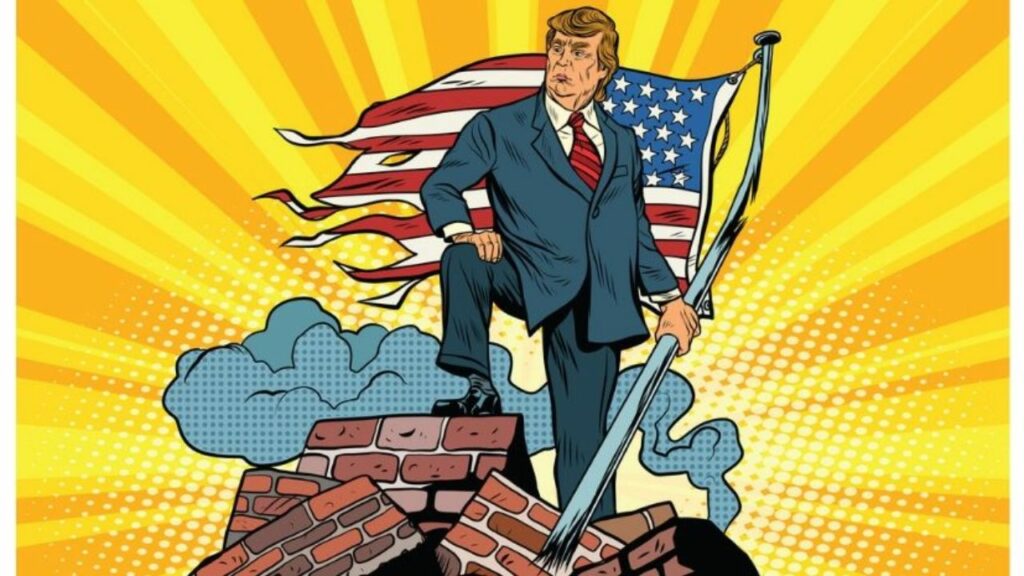
Trump’s move marks an early push for tariffs in his new term, contrasting with his first presidency, where tax cuts and deregulation were the primary focus. This decision aligns with his broader protectionist trade stance, which aims to reduce the U.S. trade deficit and strengthen domestic industries.
Reciprocal Tariffs Also on the Way
In addition to steel and aluminum duties, Trump confirmed plans for “reciprocal tariffs,” set to be announced by Tuesday or Wednesday. These tariffs will target countries that charge high duties on U.S. goods, ensuring that the U.S. imposes similar tariffs in return.
- Example: If a country imposes 130% duties on U.S. imports, Trump says, “it’s not going to stay that way.”
- This policy is intended to force trade concessions and protect American manufacturing and labor markets.
Stock Markets React as Inflation Fears Grow
Trump’s tariff announcement has already affected financial markets:
- Stock prices fell on Friday after initial reports of the tariffs.
- Consumer sentiment declined, with many Americans worried about rising inflation due to increased import costs.
- Economists fear these tariffs could slow economic growth and disrupt global trade relations.
China, Fast Fashion, and Potential Delays
While imposing tariffs on steel, aluminum, and reciprocal trade duties, Trump has temporarily delayed tariffs on small package imports, particularly affecting fast-fashion companies like Shein and Temu. Customs officials are working on a method to implement tariffs on these shipments.
Meanwhile, Trump has already imposed a 10% tariff on Chinese imports, escalating tensions between the two economic giants.
Conclusion
Trump’s return to aggressive trade policies is set to reshape global trade relations. With increased tariffs, market uncertainty, and potential price hikes, the U.S. economy could face inflationary pressures while businesses and consumers adjust to the new trade landscape.