Indian mobile users may soon have to pay more for their prepaid and postpaid plans. According to a new report by Centrum Institutional Research, telecom operators are expected to implement another round of tariff hikes of around 12-15% over the next three to four months, potentially increasing the cost of mobile services across the country.
The expected increase comes nearly two years after the industry’s last major tariff revision in July 2024, when leading telecom companies raised prices to improve profitability and support investments in network expansion.
Why Telecom Tariffs Could Rise Again
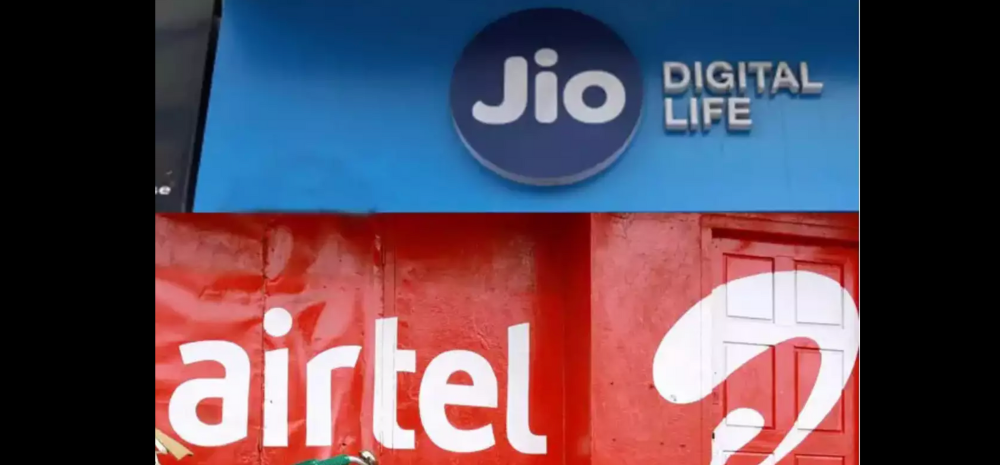
According to analysts, the telecom industry’s pricing environment has become more favourable due to market consolidation. With three major private operators—Reliance Jio, Bharti Airtel and Vodafone Idea—along with state-run BSNL, companies now have greater flexibility to focus on revenue growth rather than aggressive price competition.
The report suggests that telecom firms are increasingly prioritising higher average revenue per user (ARPU), a key metric that measures how much revenue each subscriber generates. Rising network investments, expanding 5G infrastructure and growing data consumption are also contributing factors behind the anticipated tariff increase.
Airtel And Jio Expected To Benefit Most
Industry analysts expect Bharti Airtel and Reliance Jio to continue strengthening their market positions. Both operators have been attracting users through wider 4G and 5G coverage, while Vodafone Idea continues its efforts to improve network quality and expand its 5G footprint.
The report forecasts steady subscriber growth for Airtel and Jio, supported by ongoing migration of users from 2G networks to faster 4G and 5G services. This transition is expected to contribute to further increases in ARPU even before any new tariff hike takes effect.
What It Means For Consumers
If telecom operators proceed with a 12-15% hike, customers could see noticeable increases in the prices of popular prepaid and postpaid plans. Industry experts estimate that the revision could take place before the end of 2026, although telecom companies have not yet made any official announcements regarding new pricing.
For consumers, the increase would mean higher monthly communication costs, especially for users opting for premium 5G services and higher data allowances. However, telecom operators argue that continued investment in network infrastructure is necessary to meet India’s rapidly growing demand for mobile data and digital services.
As competition shifts from subscriber acquisition to profitability, industry observers believe further tariff hikes may become a regular feature of India’s telecom market over the coming years.