In a major development for India’s automotive sector, Tata Motors Commercial Vehicles Ltd (TMCVL) is set to be listed on the BSE and NSE on Wednesday, November 12, marking the completion of Tata Motors’ long-anticipated demerger into two standalone entities — one focused on commercial vehicles and the other on passenger and electric vehicles.
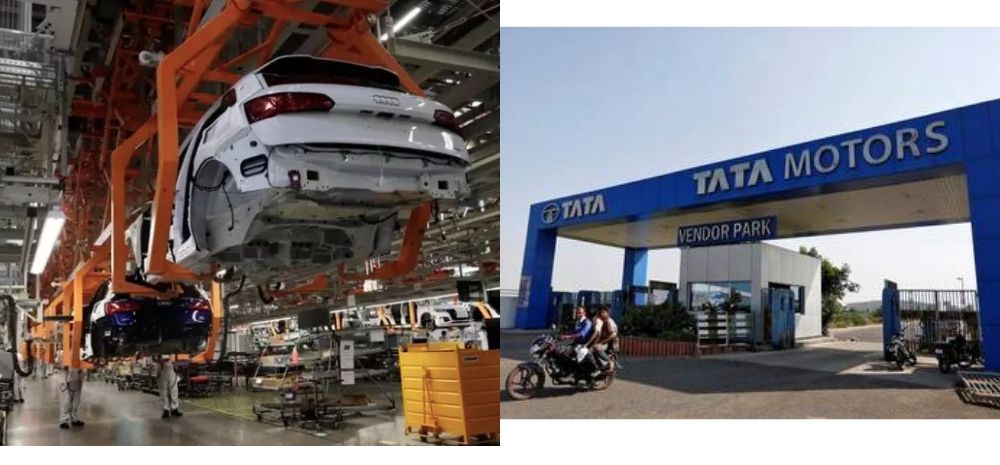
Demerger and Share Allocation Details
The demerger officially came into effect on October 1, with October 14 designated as the record date for share entitlement. Under the 1:1 share ratio, every Tata Motors shareholder received one share in TMCVL for each share held in Tata Motors as of the record date.
Over 368 crore equity shares of face value ₹2 each have been approved for trading under the ticker TMCVL, according to a BSE notification. The stock will initially trade in the trade-for-trade segment for the first 10 sessions, a common measure to ensure smooth price discovery following major corporate restructuring.
The BSE notice further stated, “The issued, subscribed and paid-up equity capital of Tata Motors Limited post arrangement is ₹7,36,46,62,746, consisting of 3,68,23,31,373 equity shares of face value ₹2 each, fully paid-up.”
TMCVL and TMPVL: Two Distinct Entities
Following the demerger, Tata Motors Commercial Vehicles Ltd will now operate solely in the commercial vehicle segment, encompassing trucks, buses, and defense mobility solutions.
Meanwhile, Tata Motors Passenger Vehicles Ltd (TMPVL) will manage the passenger vehicle, electric vehicle (EV), and Jaguar Land Rover (JLR) businesses. TMPVL began trading independently on October 14.
Analysts view the demerger as a strategic move to unlock shareholder value, allowing each business to pursue targeted growth strategies and attract specialized investors.
Valuation and Market Outlook
Based on the pre-demerger closing price of ₹660.75 per Tata Motors share, market estimates valued TMPVL at around ₹400 per share and TMCVL at approximately ₹261 per share.
The commercial vehicle division is expected to focus on expanding its EV fleet, improving operational margins, and capitalizing on infrastructure growth across India.