India’s electric vehicle market is expected to grow quickly as more companies enter the space and battery technology becomes cheaper, according to a Tata Motors Passenger Vehicles executive.

EVs now make up more than 5% of new vehicle sales in India, compared to 2.5% last year, said CEO Shailesh Chandra.
India’s EV Sales Surge as Technology Costs Fall and New Players Enter the Market
Chandra expects Tata Motors — currently the biggest EV seller in India — to have nearly one-third of its total sales come from EVs by 2030, reaffirming a previous goal.
India is emerging as a major growth market for EVs while adoption slows in China and Europe, attracting global investment and competitive pricing that may further reduce costs.
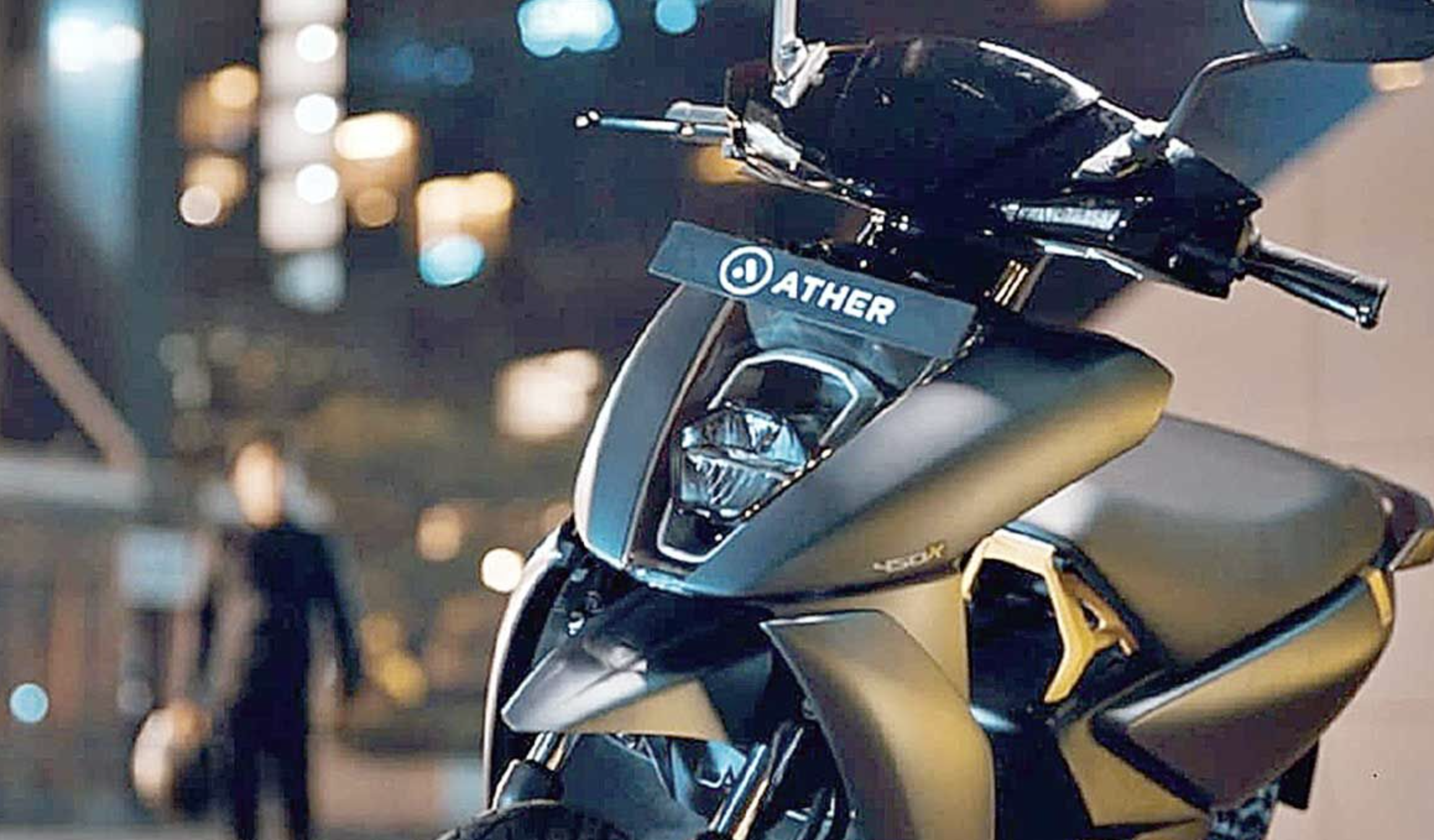
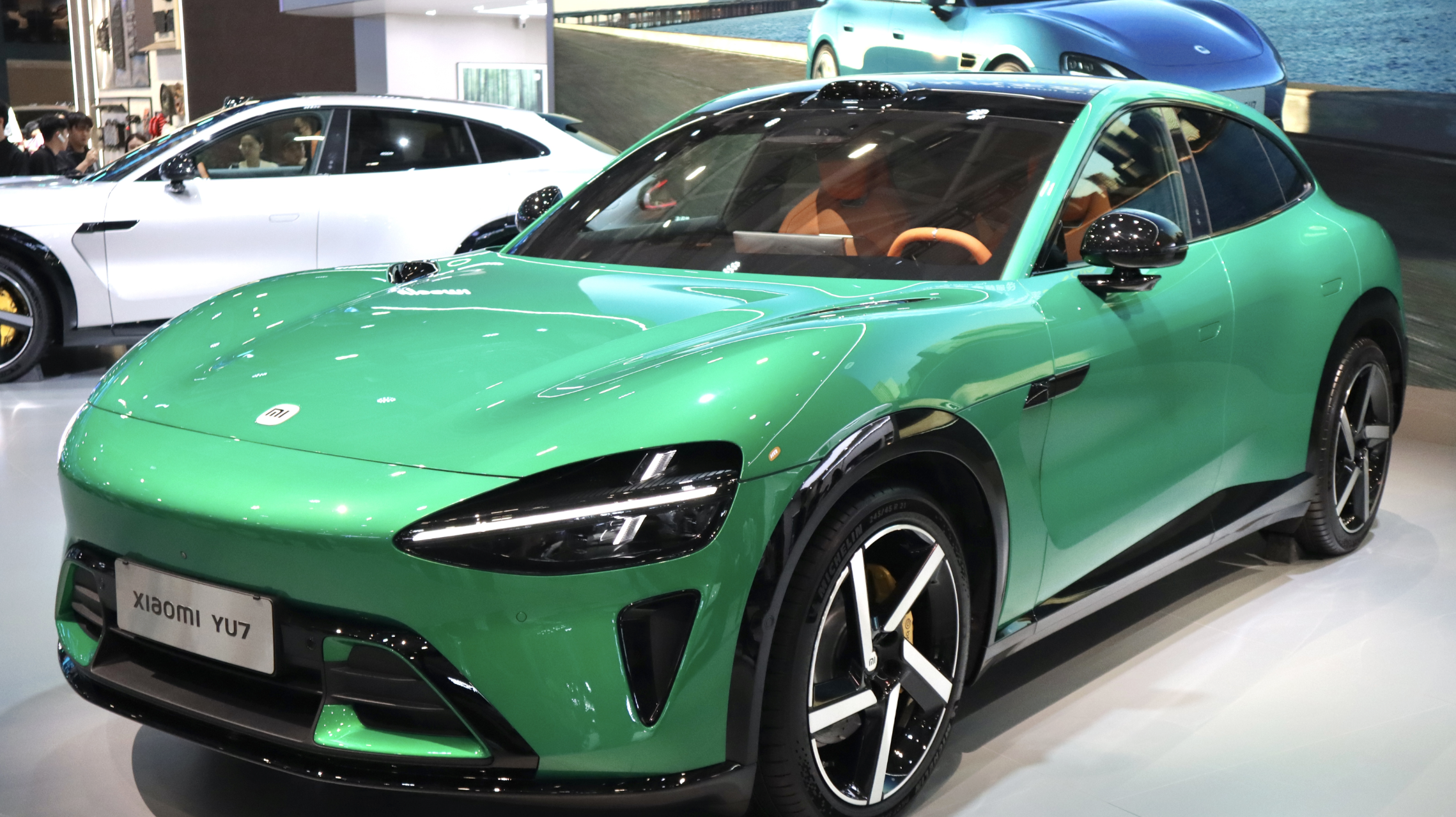
The entry of Tesla and VinFast this year, along with Chinese and domestic competitors, marks a major shift for India’s auto industry, with options ranging from low-cost to luxury EVs.
Tata Motors, which also owns Jaguar Land Rover, covers both affordable and premium EV segments.
Increasing competition is reducing Tata’s market dominance. Their EV market share dropped from 59% last year to 35% in the first eight months of this year.
As per reports, JSW MG Motor India now holds 30% of the EV market, up from 25%, and Mahindra & Mahindra controls 22.6%.
Chandra said, “It’s a good thing because that is what is creating excitement in the market,” adding that multiple strong products from different brands help build consumer confidence.
Automakers Aim to Cut EV Costs by Streamlining Key Components
He explained that EV costs will continue to fall as automakers integrate more key components beyond just lithium-ion batteries.
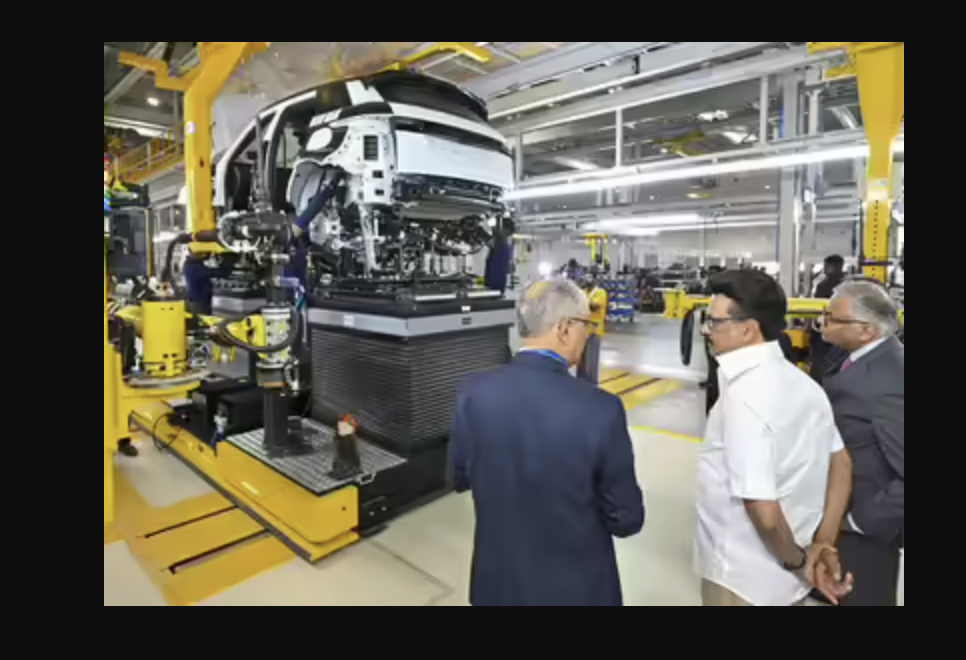
Power and control systems that previously required many parts are now being combined into compact modules, making manufacturing cheaper and more efficient.
Chandra said, “What used to be multiple separate parts are now being merged into single units,” noting that this shift is lowering production costs.
He believes the tipping point will be around 2030, when entry-level EVs will cost the same as gasoline cars while offering about 400 km (249 miles) of range.
Currently, the most affordable EVs cost 25–30% more than gasoline cars and provide less than 300 km per charge.
EV growth in India may face competition from hybrid vehicles, which run on both fuel and batteries and may appeal to drivers due to India’s limited charging infrastructure.
Hyundai and Kia are among automakers preparing hybrid models for the Indian market.
The Indian government also introduced consumption tax cuts in September, making gasoline cars cheaper.
Despite these challenges, BloombergNEF predicts EV sales will continue rising as automakers expand their offerings and battery prices decline, potentially surpassing 650,000 units by 2030.
Tata Motors remains the EV market leader largely because of its smaller and more affordable models.
Chandra said the company aims to increase its market share to between 45% and 50% through a wider range of both premium and mass-market EVs.
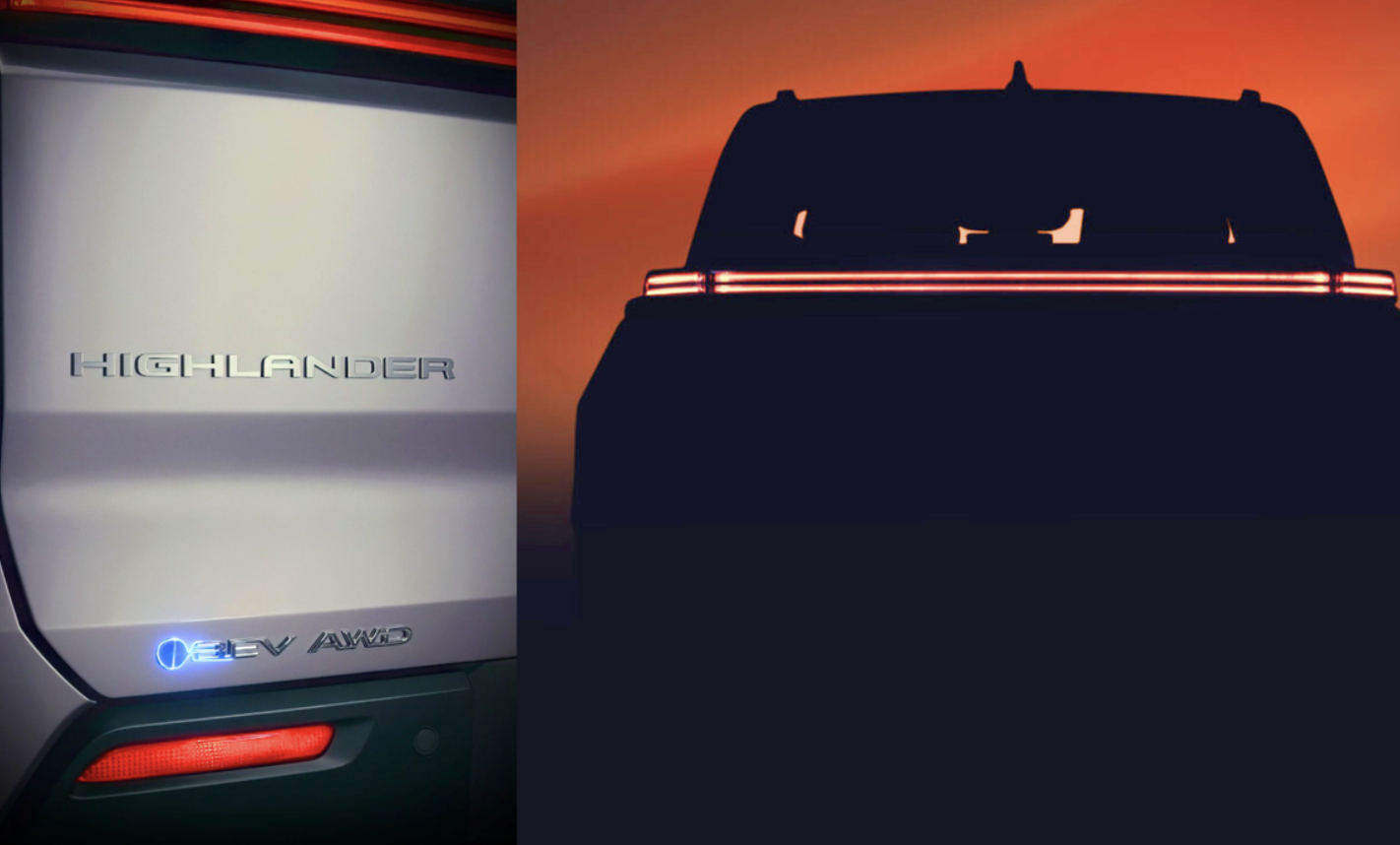
Tata has launched the new Sierra SUV, reviving a popular model from the 1990s, positioning it as a “premium mid-SUV.”
An electric version of the Sierra is expected early next year, reinforcing Tata’s commitment to expanding EV options across multiple vehicle categories.