Maharashtra Considers Expanding Bike-Taxi Regulations
Maharashtra is considering a major change that could bring food delivery, quick-commerce and e-commerce companies such as Swiggy, Zomato, Zepto, Amazon and Flipkart under the state’s bike-taxi regulatory framework.
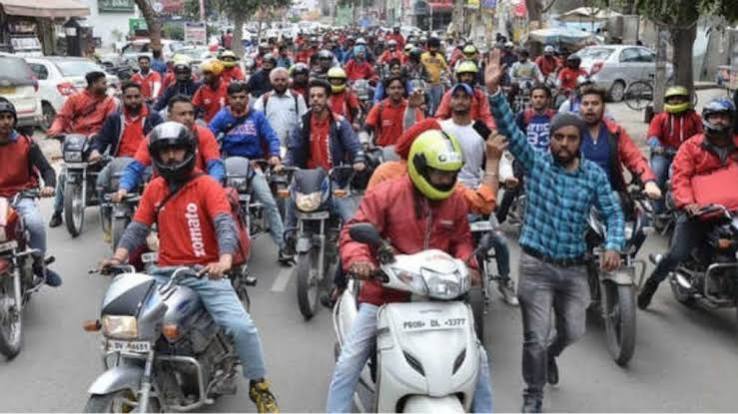
The proposal could significantly change how delivery riders operate across the state, introducing requirements related to vehicles, licences, driver verification and welfare contributions.
The move comes as the government seeks to bring more delivery vehicles operating on public roads within a formal regulatory framework.
What the Proposed Rules Could Mean
If the proposed amendments are approved, delivery service providers could be required to comply with several provisions currently associated with bike-taxi operations.
These include requirements for electric vehicles, driver verification, welfare-fund contributions and unique licence identification numbers issued by transport authorities.
The state is also considering requirements that could increase oversight of delivery riders and the companies that engage them.
The proposal is currently being examined by Maharashtra’s Law and Judiciary Department before the government can proceed further.
Electric Vehicles Could Become Mandatory
One of the biggest concerns for delivery riders is the proposed electric-vehicle requirement.
Maharashtra’s existing bike-taxi rules allow only electric two-wheelers for such operations. Aggregators are required to maintain a minimum fleet of electric bikes registered in Maharashtra.
Extending similar provisions to food-delivery and e-commerce riders could force many workers to shift from petrol motorcycles to electric vehicles.
For part-time delivery workers who use their personal motorcycles, this could create a significant additional cost.
Welfare Fund Could Add Another Requirement
The proposed framework could also require contributions towards a drivers’ welfare fund.
Transport Minister Pratap Sarnaik has proposed a contribution of around 2% from each ride towards the welfare fund in the context of bike-taxi operations.
If similar requirements are extended to delivery services, companies and riders could face additional compliance obligations.
The government argues that stronger regulation could help create better protection and welfare mechanisms for workers operating in the growing gig economy.
Why Delivery Platforms Are Concerned
Delivery platforms operate under a different regulatory structure from passenger-transport aggregators.
Companies such as Swiggy, Zomato and Amazon currently operate within the framework of central laws covering areas such as consumer protection, e-commerce and social security.
Bringing them under state-level bike-taxi regulations could therefore create questions about whether the proposed rules overlap with or exceed existing central legislation.
This is one of the major reasons the proposal is now facing legal scrutiny.
Legal Questions Over Low-Powered Electric Vehicles
One of the biggest legal challenges relates to the vehicles used by delivery riders.
Many low-powered electric two-wheelers can fall outside the definition of a motor vehicle under existing central rules if they meet specified limits for power and speed.
Such vehicles may not require the same registration and licensing requirements that apply to conventional motor vehicles.
Legal experts have therefore questioned whether Maharashtra can impose an aggregator-style regulatory framework on vehicles that are exempt from registration under central law.
State Cannot Override Central Rules
Transport regulations in India operate within a division of powers between the Centre and the states.
While states can introduce rules relating to road safety, transport and aggregators within their legal authority, state regulations must remain consistent with the Motor Vehicles Act and Central Motor Vehicle Rules.
Experts have warned that simply extending passenger-transport requirements to delivery vehicles could face legal challenges if the vehicles or services fall outside the relevant definitions in central legislation.
This could make the final wording of Maharashtra’s proposed amendments particularly important.
Delivery Riders Fear Higher Costs
The proposal has also raised concerns among delivery workers.
Many food-delivery and quick-commerce riders work part-time and use their own motorcycles. For such workers, purchasing an electric vehicle, obtaining additional permits or complying with commercial requirements could make delivery work less financially attractive.
The cost could ultimately be passed on through higher operating expenses for delivery platforms.
Worker and consumer groups have therefore argued that regulations should address genuine safety and welfare concerns without creating unnecessarily high barriers to entry.
Government Wants More Accountability
The Maharashtra government, however, believes stronger oversight is necessary.
Delivery riders spend significant amounts of time on public roads, and the government argues that companies operating large delivery networks should be subject to appropriate safety and accountability standards.
The proposed framework could give authorities greater visibility into delivery fleets and riders while potentially creating mechanisms for worker welfare.
The challenge will be ensuring that these objectives can be achieved without conflicting with central legislation.
A Bigger Regulatory Battle for the Gig Economy
The proposal reflects a broader challenge facing India’s rapidly expanding gig economy.
Food delivery, quick commerce and e-commerce have created millions of flexible work opportunities, but the sector has developed faster than traditional regulatory systems.
Governments are now trying to determine how these workers and platforms should be regulated without undermining the flexibility that made the gig economy attractive in the first place.
Maharashtra’s proposed move could become an important test case for how states approach this issue.
What Happens Next?
The proposal is currently under legal examination, meaning the rules are not yet final.
Before Maharashtra can implement the changes, the proposed amendments will have to clear the state’s legal scrutiny and remain within the framework of central motor-vehicle legislation.
For delivery platforms and their riders, the outcome could determine whether they face new vehicle, licensing, welfare and verification requirements.
If approved, Maharashtra could become an important example of how governments attempt to regulate the rapidly growing delivery economy.
Summary
Maharashtra is considering bringing Swiggy, Zomato, Zepto, Amazon and other delivery platforms under its bike-taxi regulatory framework. Proposed requirements could include electric vehicles, driver verification, welfare contributions and licence identification. However, the move faces legal questions because many delivery vehicles may fall outside existing motor-vehicle definitions. Delivery riders are also concerned about higher costs and additional compliance requirements.