Scientists have uncovered a remarkable discovery deep beneath the Atlantic Ocean after drilling nearly 1.3 kilometres below the seabed. The expedition revealed a hidden reservoir of superheated, hydrogen-rich water that appears to power one of Earth’s most extraordinary ecosystems—one that thrives entirely without sunlight.
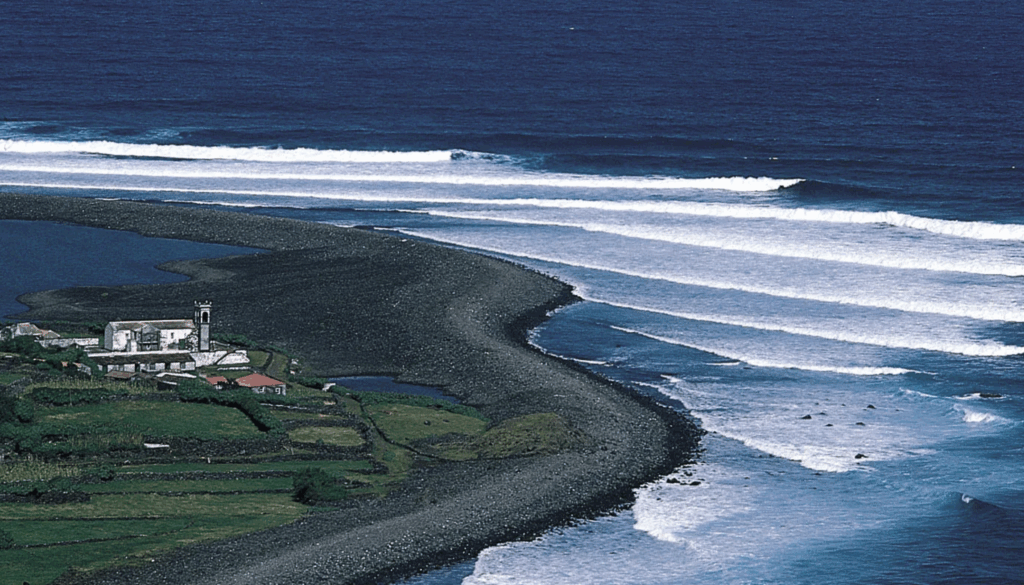
The findings provide fresh insights into how life can survive in some of the planet’s harshest environments and may even guide the search for life beyond Earth.
A Hidden World Beneath the Ocean Floor
The discovery was made beneath the Lost City hydrothermal field, an underwater region famous for its towering white mineral chimneys and unique ecosystem. Unlike most life on Earth, organisms living here do not rely on sunlight for energy.
Instead, microbes obtain energy from chemical reactions between seawater and rocks deep beneath the Earth’s crust. This process creates hydrogen and other compounds that sustain an entire food web in complete darkness.
Drilling Reveals the Source of the Hydrothermal Vents
By drilling approximately 1.3 kilometres into the ocean floor, researchers found superheated water with a chemical composition that closely matched the fluids emerging from the Lost City hydrothermal vents.
The discovery strongly suggests that these vents are supplied by a vast underground reservoir of hot, hydrogen-rich water hidden beneath the seabed. Scientists believe this solves a long-standing mystery about the source of energy that has sustained the ecosystem for thousands of years.
Clues to the Origins of Life
The research offers valuable insights into conditions that may have existed on the early Earth before sunlight became the primary source of energy for many life forms.
Scientists believe chemical reactions similar to those occurring beneath the Atlantic today may have played a crucial role in the emergence of the earliest microorganisms billions of years ago. Understanding these processes could help explain how life first developed on our planet.
Implications for the Search for Extraterrestrial Life
The discovery also has significant implications for space exploration. Moons such as Europa, which orbits Jupiter, and Enceladus, one of Saturn’s moons, are believed to contain vast underground oceans beneath thick layers of ice.
If similar hydrothermal systems exist on those worlds, they could potentially support microbial life even in the absence of sunlight. Researchers say the findings strengthen the possibility that life may exist in hidden oceans elsewhere in the Solar System.
Further investigations are planned to better understand the underground reservoir and the geological processes that continue to fuel this extraordinary deep-sea ecosystem. :contentReference[oaicite:0]{index=0}
Summary
Scientists have discovered a hidden reservoir of superheated, hydrogen-rich water nearly 1.3 kilometres beneath the Atlantic Ocean, providing the energy source for the mysterious Lost City hydrothermal ecosystem. The breakthrough sheds light on how life survives without sunlight, offers clues about the origins of life on Earth and strengthens the possibility of finding life in underground oceans on distant worlds.