In a significant move aimed at enhancing patient safety and eliminating counterfeit medicines, the Government of India has mandated the use of QR codes on vaccines, antimicrobials, anti-cancer drugs, and narcotic and psychotropic medicines. The decision expands the country’s existing track-and-trace system and is expected to bring greater transparency and accountability to the pharmaceutical supply chain.
What Has Changed?
The Ministry of Health and Family Welfare has amended the Drugs Rules, 1945, bringing these critical categories of medicines under Schedule H2. Earlier, QR code-based identification was applicable only to the top 300 pharmaceutical brands in the country. With the latest amendment, the scope has been widened significantly to include medicines that are particularly vulnerable to counterfeiting and misuse.
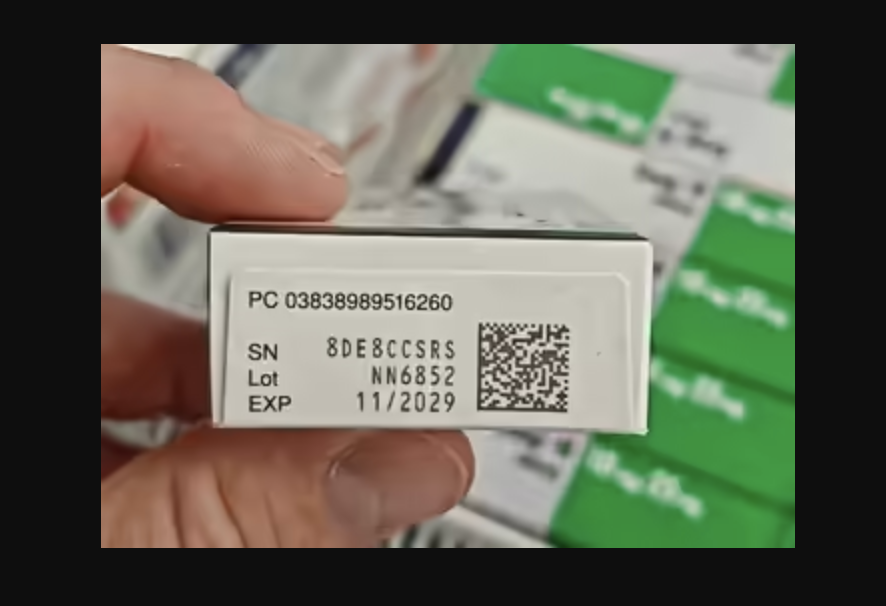
Manufacturers will now be required to print or affix QR codes on medicine packaging. If the primary package does not have sufficient space, the code can be placed on the secondary packaging.
How Will the QR Codes Help?
The QR codes will serve as digital identity markers for medicines. By scanning the code, regulators, distributors, healthcare providers, and even consumers can verify important information about the product.
The code will contain details such as the product identification number, generic and brand names, manufacturer’s information, batch number, manufacturing and expiry dates, licence number, and other relevant product details. This information will make it easier to authenticate medicines and track them throughout the supply chain.
Tackling Counterfeit Medicines
Counterfeit and substandard medicines remain a serious public health concern. Fake drugs can lead to treatment failures, adverse health effects, and loss of trust in healthcare systems. By introducing a robust digital verification mechanism, the government aims to reduce the circulation of spurious medicines and strengthen regulatory oversight.
The move is also expected to support efforts against antimicrobial resistance by helping authorities identify and monitor counterfeit antimicrobial products more effectively.
Phased Implementation
The government has provided a phased implementation timeline to help manufacturers comply with the new requirements. QR code provisions for vaccines, anti-cancer drugs, and narcotic and psychotropic medicines are scheduled to come into effect from July 2027, while antimicrobials will be covered from July 2028.
A Step Towards a Safer Pharmaceutical Ecosystem
The expanded QR code mandate represents a major advancement in India’s pharmaceutical regulatory framework. By enabling real-time verification and improved traceability, the initiative is expected to enhance patient safety, improve supply chain integrity, and strengthen confidence in the country’s healthcare system. As digital technologies become increasingly integrated into healthcare, such measures will play a crucial role in ensuring that patients receive genuine and high-quality medicines.
Summary
The Indian government has expanded mandatory QR code tracking to vaccines, antimicrobials, anti-cancer medicines, and narcotic drugs. The initiative aims to improve medicine traceability, curb counterfeit products, strengthen regulatory oversight, and enhance patient safety. With phased implementation beginning in 2027, the move marks a significant step towards building a more transparent and secure pharmaceutical supply chain.