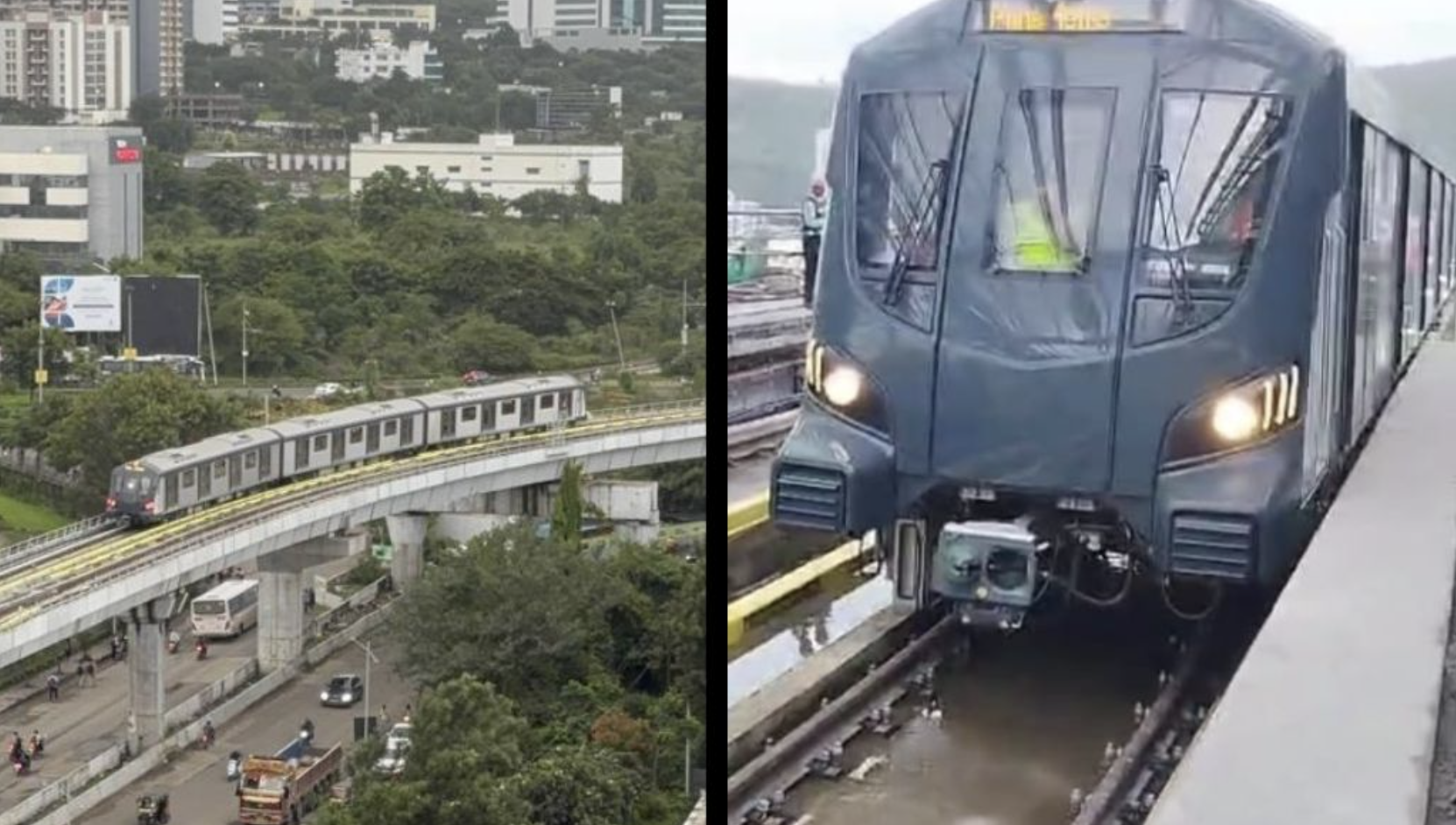


Prime Minister Narendra Modi is set to inaugurate Pune Metro Line 3, known as the Pink Line, and lay the foundation stone for four new metro corridors under Phase II on November 3. The combined projects are valued at around ₹21,800 crore and are intended to expand public transport across Pune’s major employment, residential and commercial areas.
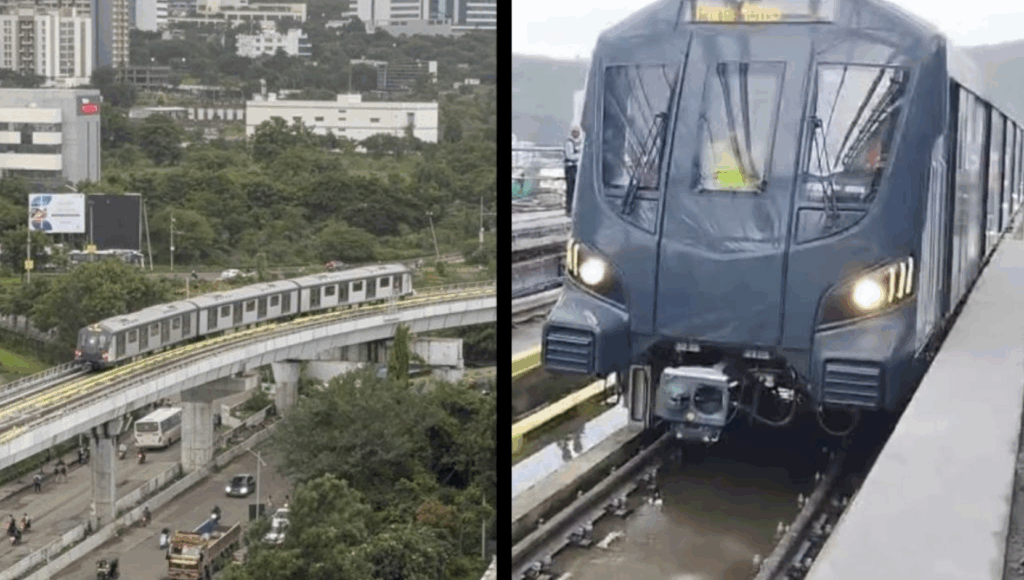
The programme will be held through video conferencing at 12:30 pm. Line 3, built at a cost of more than ₹8,300 crore, will connect Maan with District Court station, linking the Hinjewadi IT hub with Shivajinagar.
Pink Line to Connect Hinjewadi and Shivajinagar
The approximately 23-km corridor is expected to improve travel for IT employees and other commuters moving between Hinjewadi and central Pune. It will connect with the existing metro network, allowing passengers to transfer between corridors.
The Pink Line is planned to be operated entirely by women train operators. Around 30 per cent of its electricity requirements are also expected to be met through solar power.
Phase II to Add Four Corridors
The Prime Minister will also lay the foundation stone for Pune Metro Phase II, estimated to cost around ₹13,500 crore. The expansion includes Lines 2A, 2B, 4 and 4A.
Lines 2A and 2B will together cover about 12.75 km. Line 2A will connect Vanaz with Chandani Chowk, while Line 2B will extend from Ramwadi to Vitthalwadi. The 25.52-km Line 4 will connect Kharadi with Khadakwasla, and the 6.12-km Line 4A will run between Nal Stop and Manik Baug.
More Areas to Join the Metro Network
The planned corridors will serve key areas including Kharadi, Magarpatta, Hadapsar, Swargate, Manik Baug, Nanded City, Pune Cantonment and Warje. The Ramwadi–Vitthalwadi extension is expected to improve access to growing residential, commercial and IT areas in Kharadi and Wagholi.
Interchange facilities at Swargate, Nal Stop and Kharadi Bypass are planned to connect the new corridors with the existing metro system and intercity bus services.
Passenger Services to Begin in Stages
The Pink Line’s commercial passenger operations are expected to begin on November 4, initially with 17 of its 23 stations. Additional stations are expected to open in stages, with some planned for late November and the remaining stations targeted for early 2027.
The projects are intended to make travel across Pune more connected and reduce reliance on private vehicles. Their impact will depend on how quickly the new corridors become fully operational and how effectively they connect with other public transport services.