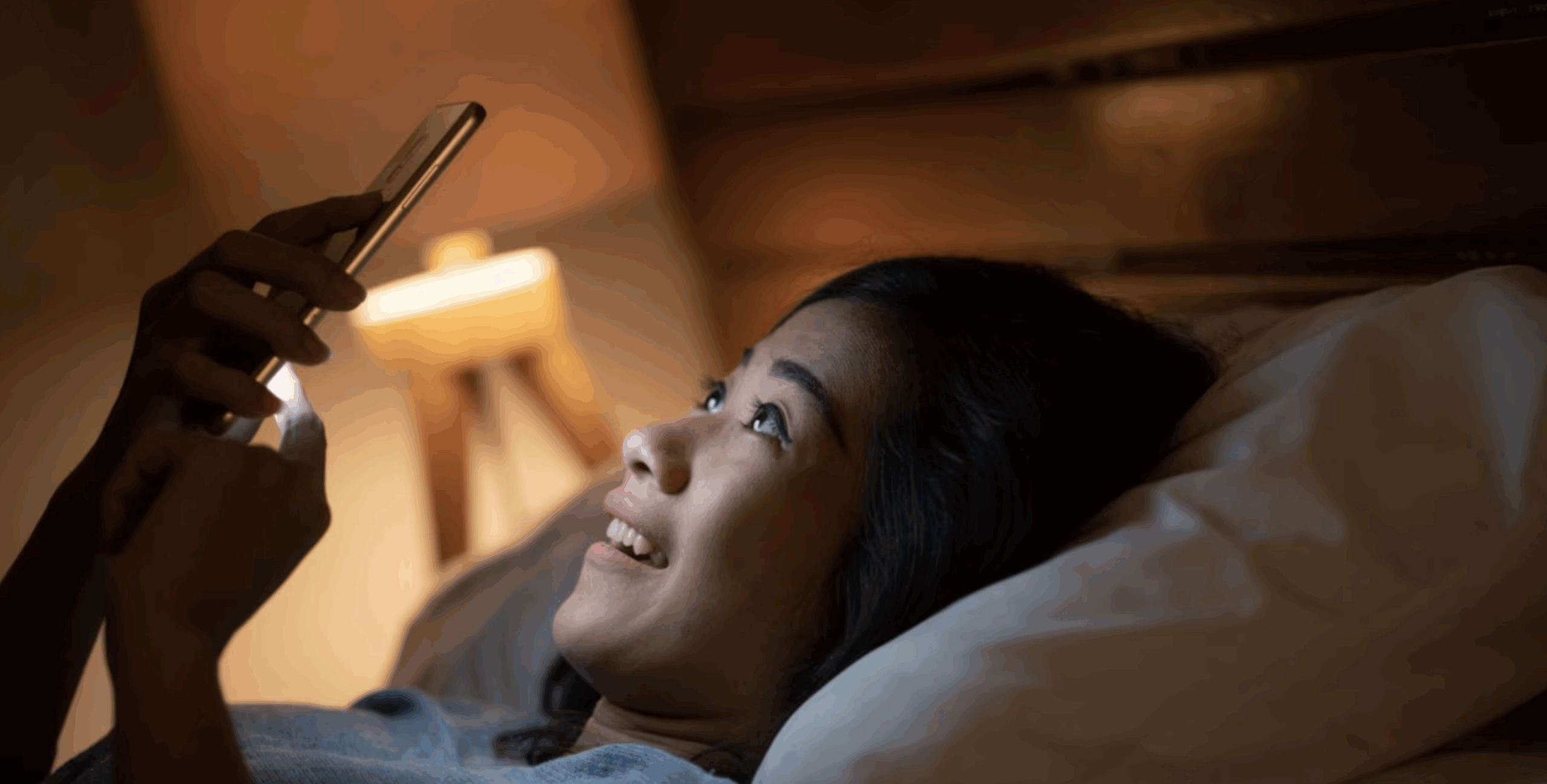
In the quiet hours of night, our minds should drift like gentle rivers—but smartphones keep them raging like stormy seas.
Why That Midnight Scroll Could Be Stealing Your Sleep
“Phones”, more often than not, are the first thing we check in the morning and the last one before sleeping. In today’s hyper-connected world, for many, their phones stay right beside the pillow, buzzing with notifications, messages, and updates.

As per Dr Jyoti Bala Sharma, Director of Neurology at Fortis Noida, this constant proximity, especially at night, disrupts sleep more than most realise.
Sleep is essential for physical repair, emotional balance, and brain function. It helps the body regulate blood pressure, repair cells, strengthen immunity, and consolidate memory. Poor sleep often results in fatigue, mental fog, and difficulty focusing.
Phones interfere with the body’s circadian rhythm, which relies on light to determine wakefulness and rest. For the unaware, electronic devices emit blue light, which suppresses melatonin, the hormone that signals sleep. A 2025 JAMA study of over 100,000 adults found that using screens an hour before bed increased the risk of poor sleep by 33%, reduced sleep by eight minutes on average, and led to grogginess and delayed sleep.
Digital Detox for Better Sleep – How to Reclaim Rest in a Screen-Filled World
Beyond light, night-time scrolling, social media, messages, and videos keep the brain alert instead of winding down, resulting in fragmented sleep. Experts recommend limiting screen time one to two hours before bed, using dim red night lights, and exposing oneself to morning sunlight to strengthen circadian rhythms.
Keeping phones outside the bedroom, turning off notifications, or using “Do Not Disturb” mode helps the mind disconnect. Good sleep hygiene also includes avoiding late heavy meals, exercising earlier in the day, and following calming bedtime routines like reading or meditation.
By dimming screens and embracing the night’s quiet, we can allow our minds to sail into the restorative seas of deep sleep.
Summary
Night-time phone use disrupts sleep by emitting blue light, suppressing melatonin, and stimulating the brain. Poor sleep affects memory, immunity, and mood. Experts advise limiting screen use one to two hours before bed, keeping phones out of the bedroom, following calming bedtime routines, and maintaining good sleep hygiene. These steps protect circadian rhythms and support mental and physical health.