Norway has become one of the first countries in the world to impose sweeping restrictions on the use of generative artificial intelligence in schools. The Norwegian government has announced a near-total ban on AI tools for elementary school students, citing concerns that excessive reliance on technology could undermine essential learning skills. The new rules will come into effect from the start of the next academic year in late August 2026.
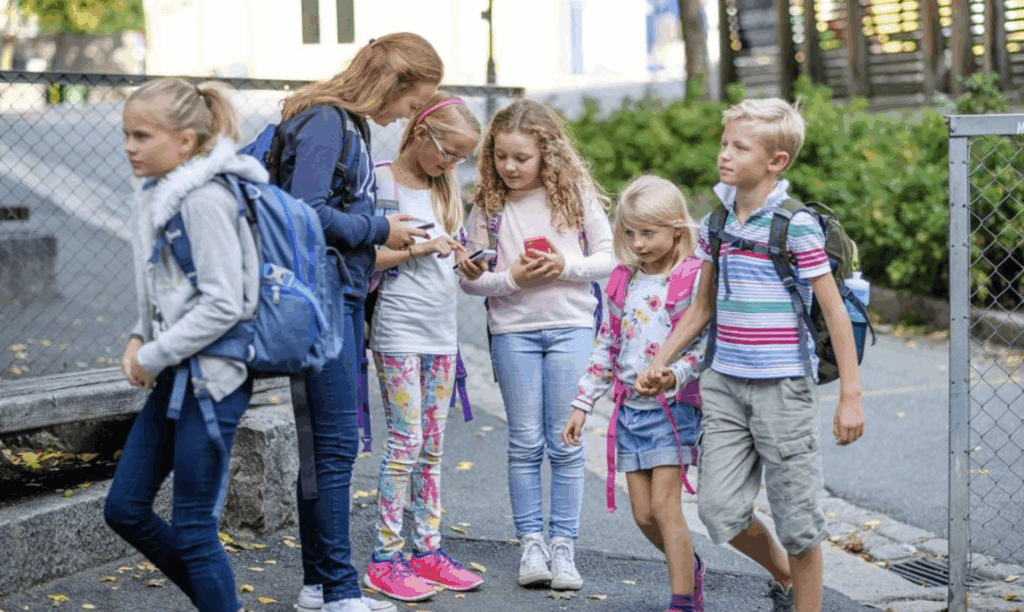
The decision reflects growing global concerns about the impact of AI on education, particularly among younger students who are still developing foundational academic abilities.
What Are the New Rules?
Under the new guidelines, students in grades one through seven, typically aged between six and thirteen, will generally not be allowed to use generative AI tools in school. This effectively amounts to a near-ban on classroom use of technologies such as AI chatbots and content-generation platforms.
The restrictions become less stringent for older students:
- Students aged 14 to 16 may use AI cautiously under teacher supervision.
- Students aged 17 to 19 will be taught how to use AI responsibly as preparation for higher education and future careers.
This tiered approach aims to balance technological literacy with the need to preserve core learning processes.
Why Norway Is Taking This Step
Prime Minister Jonas Gahr Støre said the government is concerned that AI tools may encourage students to bypass critical stages of learning.
According to the government, the most important objective of schooling is ensuring that children learn to read, write, and perform mathematics independently. Officials argue that overreliance on AI could prevent students from developing these essential skills and weaken their ability to think critically.
Research reviewed by the government reportedly suggests that uncritical use of generative AI may increase the risk of students skipping important learning steps, particularly among younger children who may lack the judgement needed to evaluate AI-generated content.
Part of a Broader Education Reform
The AI restrictions are not an isolated measure. Norway has already introduced several policies aimed at reducing digital distractions and improving educational outcomes.
In 2024, the government banned smartphones from schools and restored greater disciplinary authority to teachers. More recently, officials announced plans to increase the use of physical books in classrooms, reversing years of growing dependence on tablets and digital learning tools.
The government has linked these decisions to declining educational performance and concerns about excessive screen time among young people.
Growing Global Debate Around AI in Education
Norway’s decision comes as governments worldwide grapple with how AI should be used in schools. While supporters argue that AI can personalise learning and improve access to information, critics warn that excessive dependence on the technology may weaken problem-solving skills, creativity, and independent thinking.
Countries across Europe, North America, and Asia are increasingly examining AI’s role in classrooms, with some introducing guidelines, teacher training programmes, and restrictions on student use. Norway’s approach is among the most restrictive adopted so far.
What This Means for the Future
The Norwegian government is not rejecting AI entirely. Instead, it is attempting to ensure that students first develop strong academic foundations before relying on advanced digital tools.
By restricting AI use among younger children while gradually introducing it to older students, policymakers hope to create a balanced model that combines technological literacy with traditional learning methods. Whether other countries follow Norway’s lead could depend on how successful these measures prove in improving educational outcomes over the coming years.