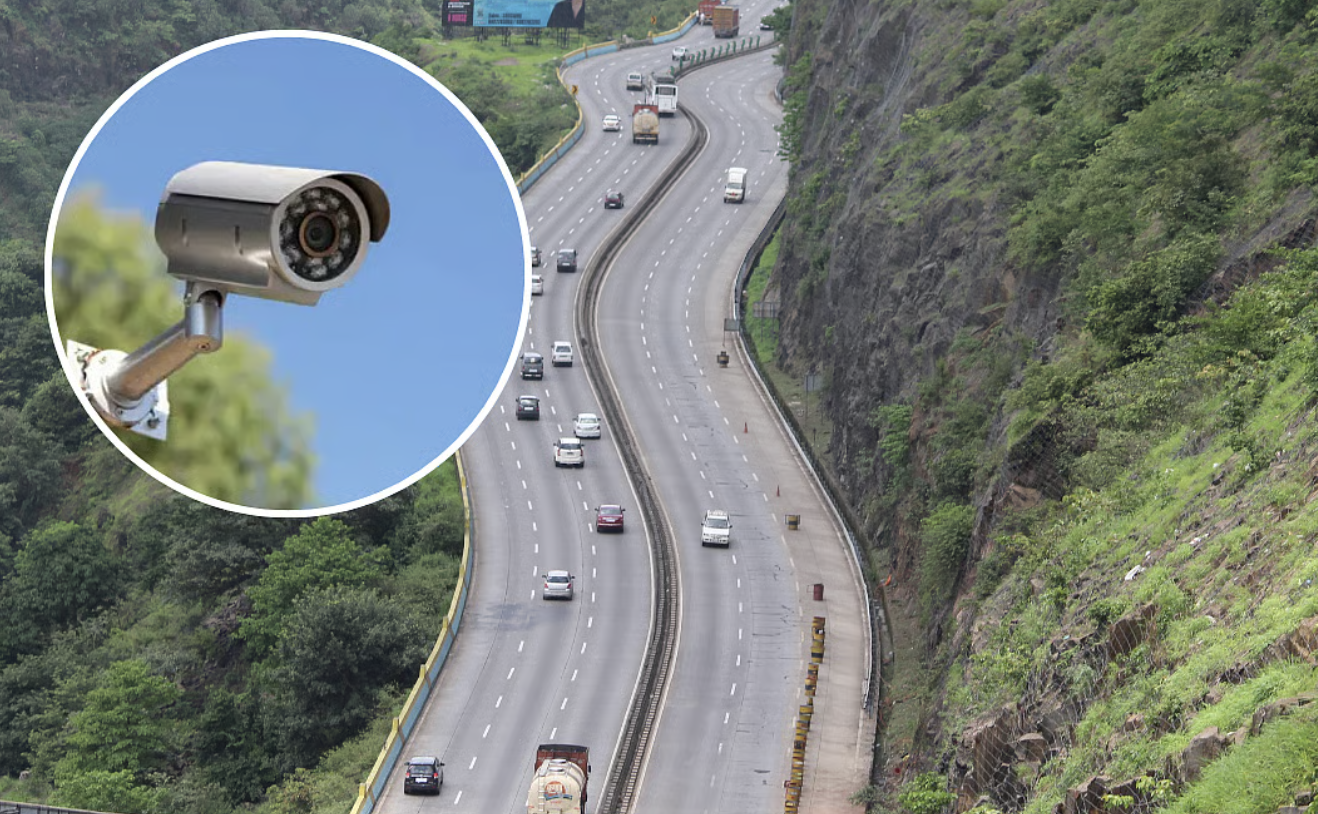


Union Road Transport and Highways Minister Nitin Gadkari has directed officials to allow a 20% margin above applicable speed limits before issuing speeding challans on expressways. The announcement has attracted attention from motorists, particularly those travelling on expressways with a 120 kmph speed limit.
Gadkari made the remarks at the Confederation of Indian Industry’s National Conference on Highways of India’s Future. He said officials should not issue speeding notices to motorists travelling within the specified threshold, while those exceeding it should face penalties.
What Does the 20% Speeding Margin Mean?
The proposed margin means that a vehicle travelling on an expressway with a 120 kmph speed limit could reach 144 kmph before crossing the stated challan threshold.
The calculation is straightforward: 20% of 120 kmph is 24 kmph. Adding this to the existing limit gives 144 kmph.
However, the minister’s statement should not be interpreted as a formal increase in the legal speed limit. The applicable speed limit remains the one prescribed for the road and vehicle category, and motorists must continue following the speed signs displayed along their route.
Will Drivers Receive Challans at 144 kmph?
Gadkari said that officials had been instructed to allow speeds of up to 120 kmph on expressways and not issue notices to motorists exceeding that figure by up to 20%.
The remarks indicate a more lenient approach to speeding enforcement. However, the implementation of the instructions across automated speed-monitoring systems and challan mechanisms remains an important consideration.
Motorists should not assume that every expressway in India has a 120 kmph speed limit. Some roads have lower limits, and the proposed margin does not automatically apply as a blanket exemption across all highways.
Until the relevant enforcement procedures are formally clarified, drivers should follow the applicable speed limits rather than treating the proposed margin as permission to drive faster.
AI-Based Traffic Monitoring System to Improve Highway Enforcement
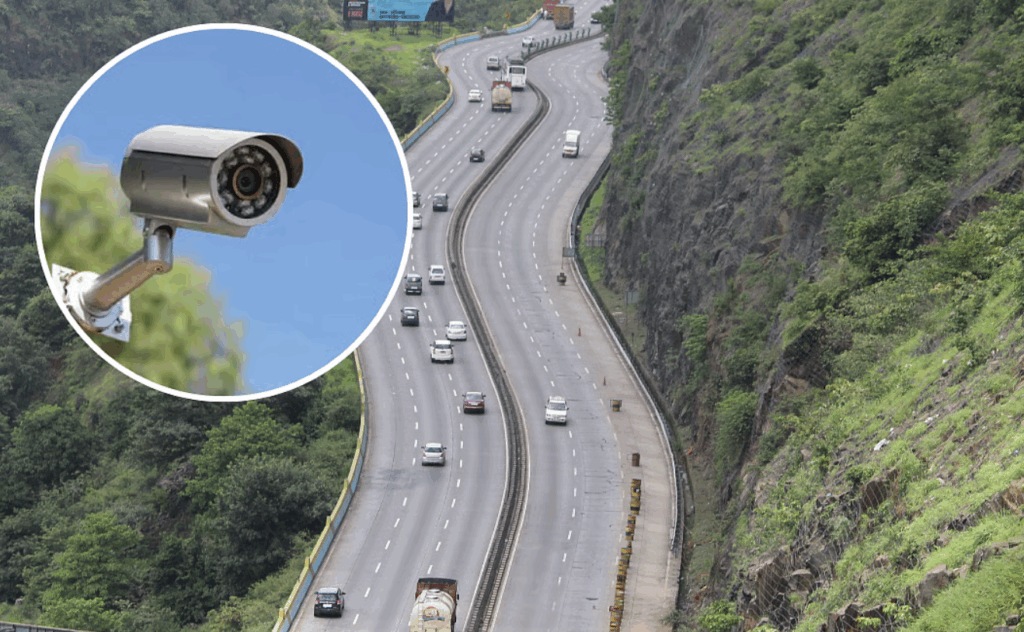
Gadkari also called for industry support in implementing an AI-based Advanced Traffic Management System (ATMS) on national highways.
The proposed technology is expected to strengthen highway monitoring and help authorities identify traffic violations, including lane indiscipline and other unsafe driving practices.
The initiative comes as India continues expanding its expressway network and increasingly relies on automated systems to monitor traffic and enforce road safety regulations.
Gadkari Warns Contractors Over Poor Highway Quality
The minister also warned contractors and consultants responsible for poor-quality highway construction and maintenance that they could face strict action, including blacklisting, bans and financial penalties.
He urged citizens to report potholes and other road defects on social media, saying such reports had helped officials identify problems on national highways.
The minister also said the government would continue monitoring road quality and would not compromise on construction standards.
The announcement highlights the government’s effort to improve highway travel through a combination of enforcement changes, technology and better road infrastructure. However, the proposed speeding margin should not be confused with a change in legal speed limits.