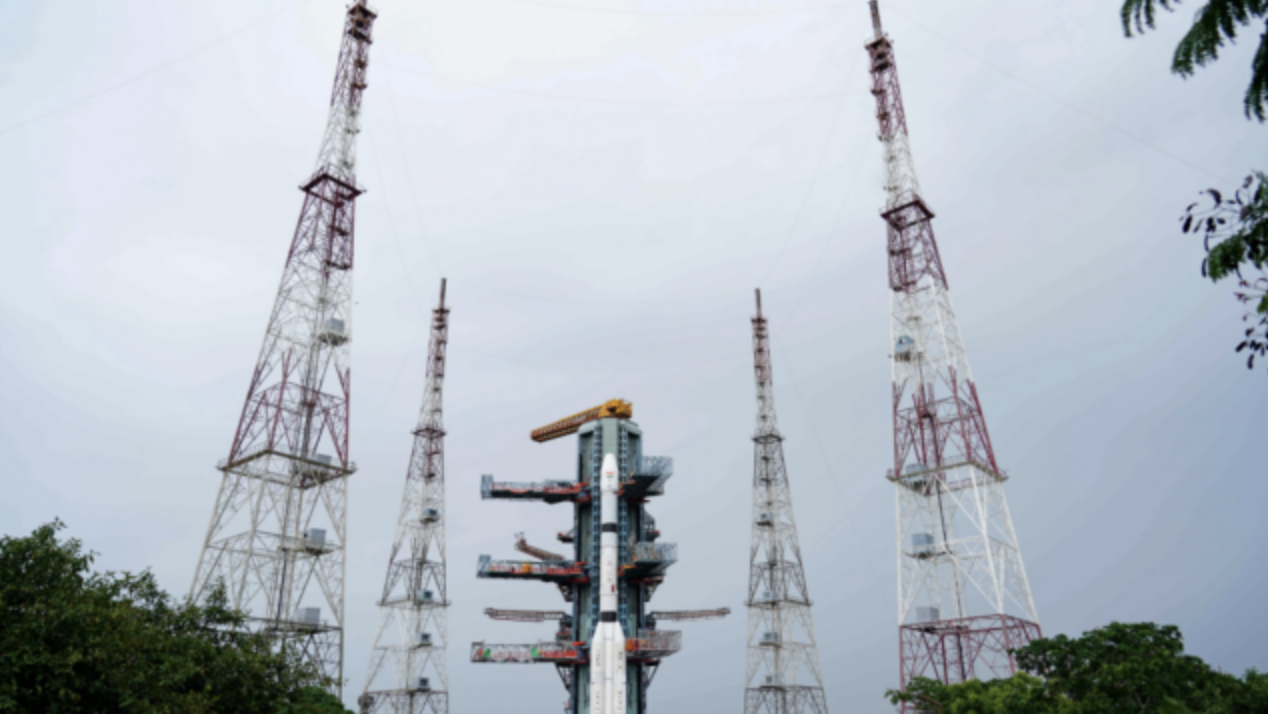


The Indian Space Research Organisation (ISRO) has successfully launched its next-generation navigation satellite, NVS-03, aboard the GSLV-F18 rocket. The satellite was placed in its intended Geosynchronous Transfer Orbit after a launch from the Second Launch Pad at the Satish Dhawan Space Centre in Sriharikota, Andhra Pradesh, at 11:51 pm on October 30.
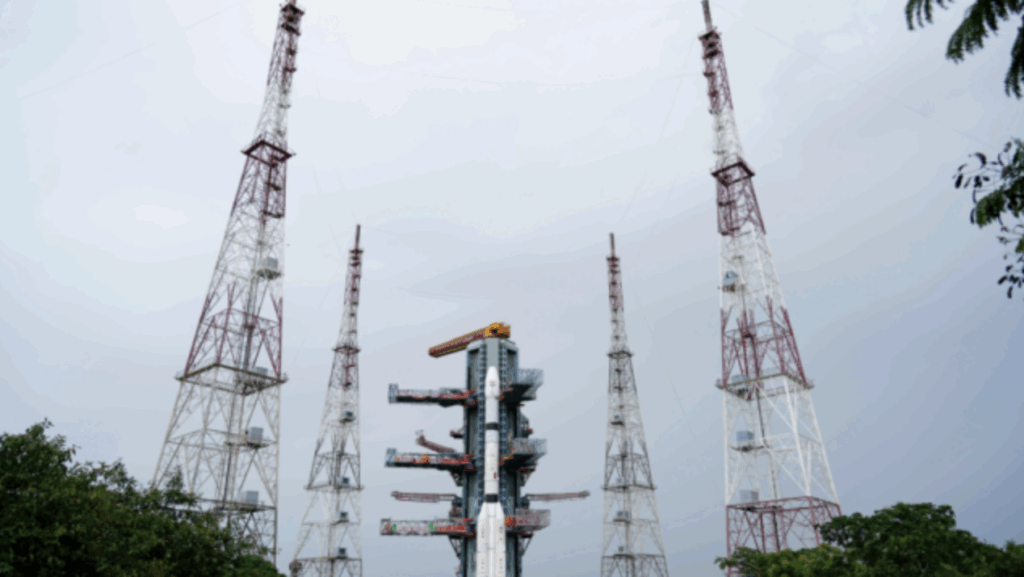
The mission marks the 20th flight of the Geosynchronous Satellite Launch Vehicle (GSLV) and is an important step in strengthening India’s independent satellite navigation system, NavIC.
NVS-03 to Strengthen NavIC Services
NVS-03 is the third satellite in ISRO’s second-generation navigation satellite series. It is designed to improve the continuity and availability of navigation services provided by the Navigation with Indian Constellation (NavIC), India’s regional alternative to GPS.
NavIC is designed to provide positioning, navigation and timing services across India and an area extending approximately 1,500 kilometres beyond the country’s borders. Its applications include civilian navigation, transport, maritime operations and strategic uses.
Indigenous Atomic Clock and Additional Signal Band
The satellite carries an indigenously developed atomic clock alongside procured atomic clocks. It also adds the L1 signal band to the existing L5 and S-band signals.
The additional L1 signal is expected to improve compatibility with navigation receivers and consumer devices, potentially expanding NavIC’s use in civilian applications. Atomic clocks are essential to satellite navigation because accurate timing helps calculate a receiver’s position.
GSLV-F18 Places Satellite in Transfer Orbit
The GSLV-F18 lifted off at the scheduled time and placed NVS-03 into its intended transfer orbit. ISRO said all vehicle systems performed as expected.
The satellite will use its onboard propulsion system to move from the transfer orbit to its final geosynchronous orbital position. The launch follows corrective measures introduced after the NVS-02 mission failed to complete its orbit-raising manoeuvre in January 2025.
A Boost for India’s Independent Navigation Capability
The addition of NVS-03 is expected to strengthen NavIC’s operational capability and support the continuity of services as older satellites reach the end of their working lives.
ISRO is also developing the NVS-04 and NVS-05 satellites to further augment the constellation. The agency’s longer-term goal is to maintain a reliable indigenous navigation system for civilian and strategic applications.
The successful launch is a significant milestone for India’s satellite navigation programme, although NVS-03 must complete its orbital manoeuvres and commissioning before it can begin providing operational services.