Iran has announced plans to introduce service fees for commercial vessels transiting the strategically important Strait of Hormuz, a move that could have significant implications for global trade and energy markets. The proposal comes as the current 60-day arrangement for toll-free passage nears its expiry, raising fresh concerns among shipping companies and major oil-importing nations.
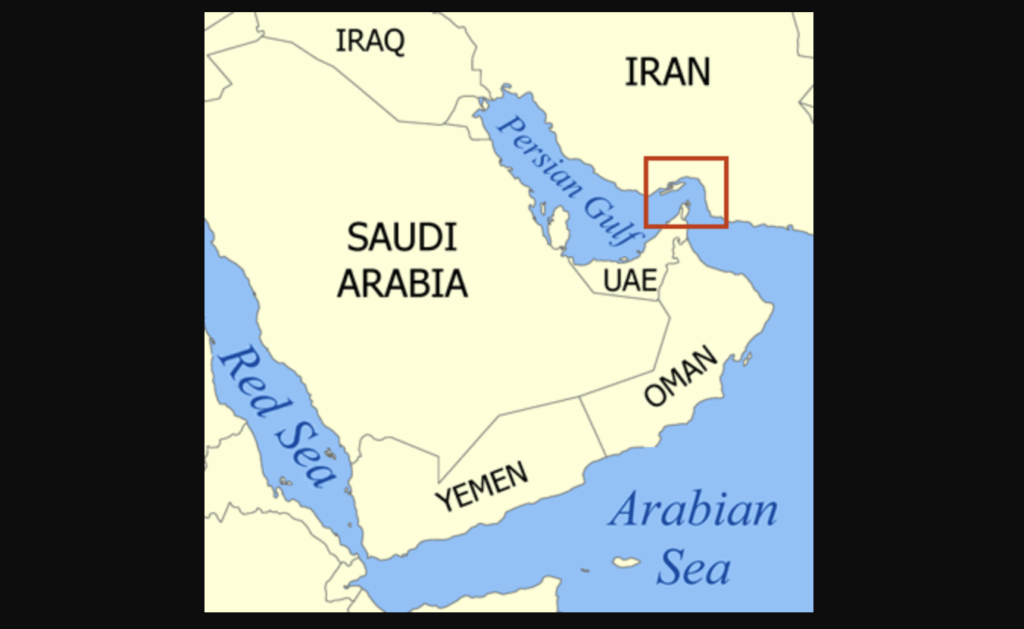
The Strait of Hormuz is one of the world’s most critical maritime chokepoints, handling a substantial share of global oil and liquefied natural gas shipments. Any changes to transit rules in the waterway are closely watched by governments, energy companies, and financial markets worldwide.
Iran Plans New Maritime Service Fees
According to Iranian officials, the country intends to charge what it describes as “service fees” rather than traditional transit tolls. Iranian authorities argue that the fees would support navigation, security, and maritime services in the region.
Iran’s ambassador to China stated that the country is working with Oman to establish a new framework for managing vessel movements through the strait after the current arrangement expires. Tehran maintains that, because part of the Strait of Hormuz falls within its territorial waters, it has the right to levy such charges.
Friendly Nations May Receive Preferential Treatment
One of the most notable aspects of the proposal is Iran’s indication that countries it considers “friendly” could receive special treatment. Iranian officials have suggested that nations which supported Tehran during recent geopolitical tensions may benefit from preferential arrangements under the new system.
While specific details have not yet been disclosed, analysts believe countries with strong economic and diplomatic ties to Iran could receive discounted rates or priority access.
US Opposes The Proposal
The United States has strongly opposed any attempt to impose fees on vessels using the Strait of Hormuz, arguing that it is an international waterway that should remain open and accessible to all nations without unilateral restrictions.
Washington has maintained that freedom of navigation must be preserved and has rejected Iran’s interpretation of the waterway’s governance. The disagreement could become a new source of geopolitical tension if negotiations fail to produce a mutually acceptable solution.
Potential Impact On Global Trade
Any additional costs imposed on shipping companies are likely to be passed on through supply chains, potentially increasing transportation and energy costs. Since the Strait of Hormuz serves as a vital route for oil exports from the Middle East, the proposal could influence crude oil prices and shipping insurance costs if implemented.
With the current arrangement set to expire soon, governments and industry stakeholders will be closely monitoring developments in one of the world’s most strategically important waterways.
Summary
Iran has announced plans to charge service fees on commercial ships transiting the Strait of Hormuz after the current toll-free arrangement ends. The country says friendly nations could receive special treatment, while the United States opposes any such charges. Given the waterway’s importance to global oil and trade flows, the proposal could have significant economic and geopolitical consequences if implemented.