30-Year-Old Dance Teacher Attempts Suicide
A 30-year-old dance teacher in Delhi allegedly jumped into the Yamuna after struggling to pay the monthly EMI on his iPhone, according to police.
The man, identified as Deepak Kumar, lives in Okhla in southeast Delhi and works as a dance teacher. He also earns additional income through gardening and lives with his wife and two children.
The incident took place on Friday evening at Kalindi Kunj in southeast Delhi.
Police Spot Him Jumping Into The River
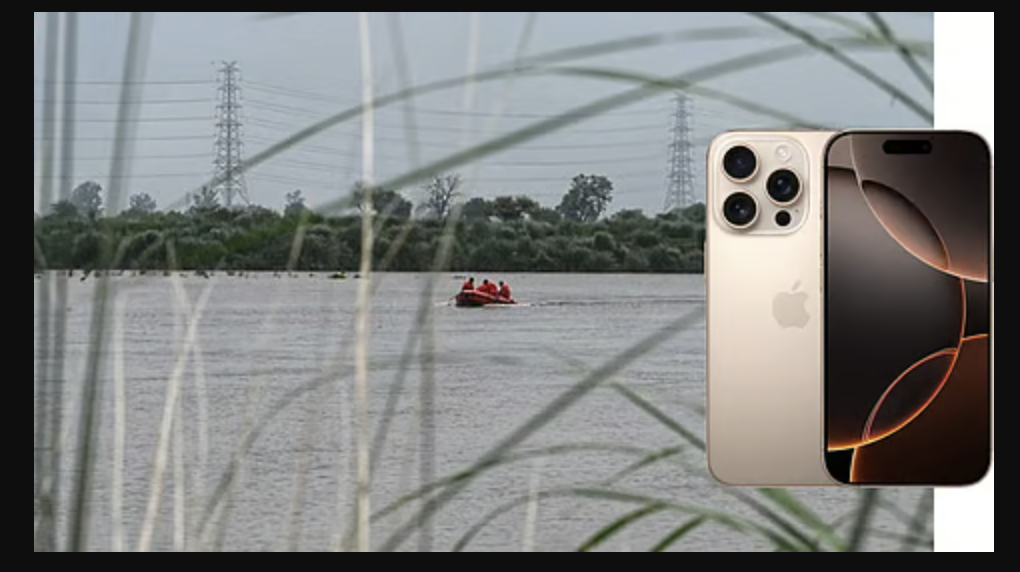
Kumar reportedly jumped into the Yamuna from a ghat at around 8:30 pm.
Police personnel who were patrolling the area saw him enter the river and immediately alerted the rescue team.
A rescue boat was sent towards him after he was seen struggling in the water.
Rescuers eventually managed to pull him out of the river and bring him to safety.
Income Had Fallen In Recent Months
According to the police, Kumar told them that his income had declined over the past few months.
The reduced income made it increasingly difficult for him to pay the monthly instalments on his iPhone.
The financial pressure reportedly caused significant stress, eventually leading him to attempt suicide.
Police later counselled him and contacted his wife and brother-in-law.
After the intervention, Kumar was sent home with his family.
Incident Came After Maharashtra Family Tragedy
The Delhi incident occurred on the same day that three members of a family died after falling from a hilltop in Maharashtra’s Chhatrapati Sambhajinagar.
Initial reports in that case linked the tragedy to an argument involving an iPhone and the inability to pay its EMI.
However, subsequent developments have suggested that there may have been other underlying family issues involved in the Maharashtra incident.
The Delhi case has therefore drawn attention because of the timing and the similar connection to financial stress involving an iPhone EMI.
The Bigger Issue Is Financial Pressure
The incident highlights how financial difficulties can sometimes become overwhelming, particularly when regular expenses continue despite falling income.
For someone dependent on irregular or fluctuating earnings, even a relatively manageable monthly payment can become difficult when income suddenly declines.
An EMI does not disappear when income falls.
Other household expenses, rent, food, education and utilities also continue, potentially creating a situation where an individual feels trapped by mounting financial obligations.
Buying Expensive Gadgets On EMI Can Create Pressure
EMIs make expensive smartphones and other consumer products more accessible because buyers do not have to pay the entire amount upfront.
However, affordability depends on whether the monthly payment remains manageable over the entire repayment period.
A person whose income is stable may be able to comfortably handle an EMI.
But if income falls unexpectedly, the same payment can become a source of significant financial stress.
The Delhi incident illustrates the importance of considering income stability before taking on long-term consumer debt.
A Phone Should Not Become A Financial Burden
Premium smartphones can cost a substantial amount of money, particularly when financed over several months.
Consumers may focus on whether they can afford the monthly EMI rather than considering the total cost and what happens if their income suddenly falls.
Financial experts generally advise keeping EMIs within a manageable portion of monthly income and maintaining an emergency fund wherever possible.
This becomes especially important for people working in professions where earnings can fluctuate.
Police Intervention Prevented A Tragedy
The quick response of the patrolling police officers proved crucial in this case.
Their intervention allowed the rescue team to reach Kumar while he was still in the river.
After being rescued, he was counselled and reunited with his family.
The incident could have ended very differently had the police not noticed what was happening.
Financial Stress Can Affect Mental Health
Money-related problems can have a significant impact on mental and emotional wellbeing.
Falling income, debt, unpaid bills and pressure from lenders can create anxiety and a sense of hopelessness.
People experiencing severe financial stress may also hesitate to discuss their problems with family members or friends.
That can make the situation worse.
Seeking help early, discussing financial difficulties openly and exploring practical repayment options can help prevent a temporary financial problem from becoming a personal crisis.
The Incident Is Also A Reminder About Responsible Borrowing
The case raises a broader question about consumer financing.
The availability of easy EMIs has made expensive products accessible to a much larger number of consumers.
But easy access to credit does not necessarily mean a purchase is affordable.
Before taking an EMI, consumers should consider their income stability, existing loans, emergency savings and other regular expenses.
The ability to pay today does not always guarantee the ability to pay six months later.
What Happened To The Dance Teacher
After being rescued, Kumar was taken through the necessary police intervention and counselling process.
His wife and brother-in-law were called to the police station, and authorities subsequently sent him home with his family.
The immediate crisis was therefore brought under control.
The incident nevertheless highlights the severe consequences that financial stress can have when someone feels unable to cope with their circumstances.
The Real Warning Is Bigger Than An iPhone
The story is not simply about an expensive smartphone.
It is about what can happen when declining income collides with fixed financial commitments.
An iPhone EMI may have been the immediate source of stress identified by Kumar, but the broader issue is financial vulnerability.
For consumers, the lesson is clear: a purchase should remain affordable even if circumstances change.
For families and friends, the incident is also a reminder that sudden withdrawal, intense financial anxiety or hopelessness should never be ignored.
A Tragedy Was Averted In Delhi
The Delhi dance teacher survived after police and rescue personnel intervened quickly.
His reported financial difficulties had left him struggling to meet his iPhone EMI after his income declined.
The incident came amid another tragic case in Maharashtra that also involved an iPhone EMI in initial reports.
Together, the incidents have sparked renewed discussion about consumer debt, financial pressure and the importance of seeking help when money problems become overwhelming.
Summary
A 30-year-old Delhi dance teacher, identified as Deepak Kumar, allegedly jumped into the Yamuna at Kalindi Kunj after financial stress linked to difficulties paying his iPhone EMI. Police officers on patrol spotted him and alerted a rescue team, which pulled him from the river. Kumar reportedly told police that his income had declined in recent months, making the monthly instalments difficult to manage. Police counselled him and contacted his wife and brother-in-law before sending him home. The incident highlights the risks of taking on fixed financial commitments when income is unstable and the importance of seeking support during severe financial distress.