India’s Bullet Train Project Faces Fresh Challenges
India’s ambitious Mumbai-Ahmedabad bullet train project is facing fresh challenges, with delays, rising costs and reported differences between India and Japan threatening to push the project further away from its original timeline.
The high-speed rail corridor was initially expected to begin operations in 2022. However, land acquisition issues, construction delays and other complications have repeatedly pushed back the completion schedule.
The project is now expected to become operational in phases, with the first section likely to open before the entire corridor is completed.
India’s First High-Speed Rail Corridor
The Mumbai-Ahmedabad High-Speed Rail Corridor is India’s first dedicated bullet train project and is being developed with extensive technical and financial assistance from Japan.
The 508-km corridor will connect Mumbai with Ahmedabad through several major cities and towns in Maharashtra and Gujarat.
The project is designed for trains capable of operating at speeds of up to 320 kmph, potentially reducing travel time between Mumbai and Ahmedabad to around two hours.
Costs Have Increased Significantly
The project has become considerably more expensive than originally estimated.
Rising construction costs, changes in project requirements and delays have contributed to the increase in the overall financial burden.
Japan is providing a large portion of the funding through a long-term loan at highly favourable interest rates, while India is financing the remaining share.
The extended construction timeline has nevertheless increased pressure on both sides to bring the project back on schedule.
Differences With Japan Reportedly Emerging
The latest concerns reportedly involve differences between Indian and Japanese stakeholders over aspects of the project, including technology, construction and implementation.
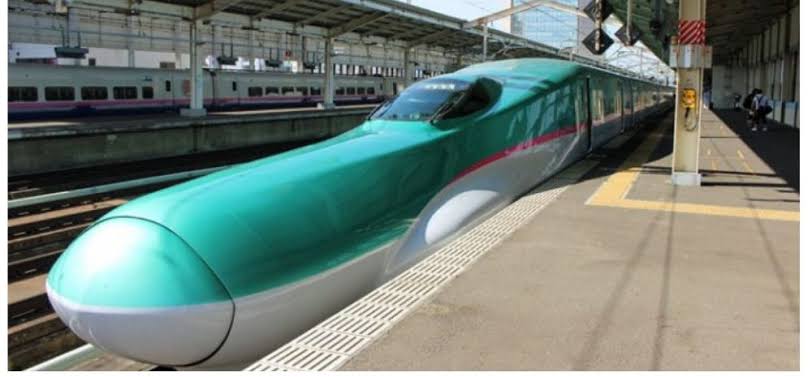
Japan’s Shinkansen technology is at the heart of India’s bullet train plans, making coordination between the two countries particularly important.
The project is also intended to serve as a technology transfer opportunity, allowing Indian engineers and railway personnel to gain experience in high-speed rail operations and maintenance.
Construction Is Progressing
Despite the difficulties, significant construction work has already been completed.
Large portions of the viaduct have been constructed, while work on stations, bridges, tunnels and other infrastructure is progressing along the corridor.
One of the project’s most challenging sections is the undersea rail tunnel near Mumbai, which is expected to become India’s first undersea transportation tunnel.
Why The Project Matters To Indian Railways
The bullet train project is being viewed as more than simply a faster connection between Mumbai and Ahmedabad.
Indian Railways wants the corridor to create expertise in high-speed rail construction, operations and maintenance. The experience could potentially be used for future high-speed rail corridors across the country.
The government has also been developing plans for additional high-speed rail routes connecting major cities.
First Trains Could Still Arrive In Phases
While the original deadline has long passed, the project is not being abandoned.
Authorities are working towards opening completed sections progressively rather than waiting for the entire corridor to be finished.
The success of the first corridor could influence India’s future plans for high-speed rail. But for now, completing the Mumbai-Ahmedabad project on its revised schedule remains the immediate challenge.
Summary
India’s Mumbai-Ahmedabad bullet train project is facing delays, rising costs and reported differences with Japan, which is providing technology and financial assistance. The 508-km corridor is India’s first high-speed rail project and will use Japanese Shinkansen technology. Construction has progressed significantly, but the original 2022 deadline has been missed. Authorities are now looking at phased completion and operations.