South Coast Railway Zone: What It Is & Why It Matters
India is set to get a new railway zone—the South Coast Railway (SCoR)—marking a significant administrative and infrastructure shift in the southern rail network.
What Is South Coast Railway Zone?
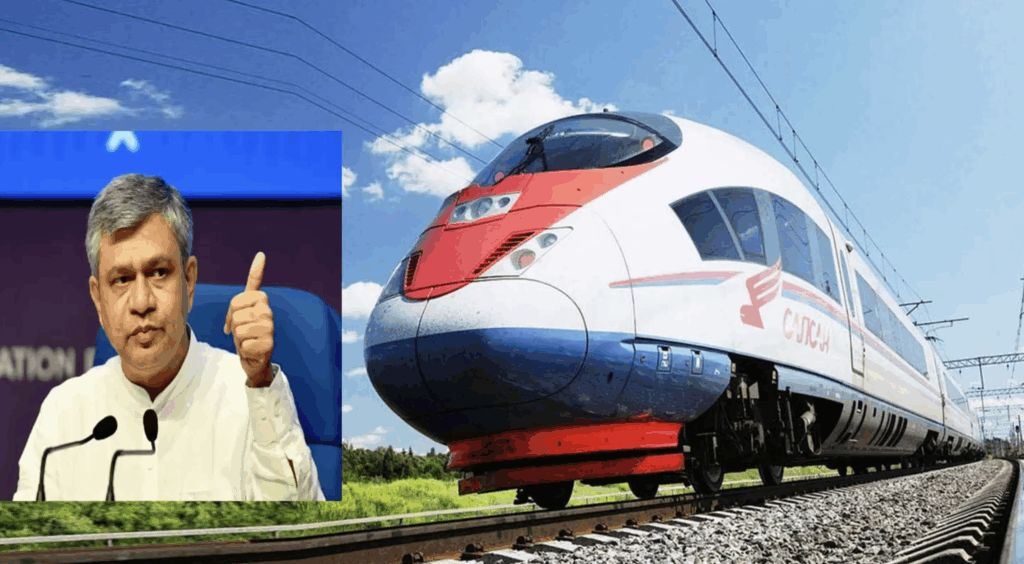
The South Coast Railway (SCoR) will become the 18th railway zone of Indian Railways, headquartered in Visakhapatnam, Andhra Pradesh.
- Expected operational date: June 1, 2026
- Aim: Improve railway administration and connectivity in Andhra Pradesh
This move fulfills a long-pending demand that dates back to the Andhra Pradesh Reorganisation Act, 2014.
How Was It Created?
The new zone has been carved out by reorganising existing railway zones:
- Parts taken from East Coast Railway (ECoR)
- Parts taken from South Central Railway (SCR)
Divisions under SCoR:
- Visakhapatnam (earlier Waltair division)
- Vijayawada
- Guntur
- Guntakal
It will cover most of Andhra Pradesh and parts of Telangana, Tamil Nadu, and Karnataka.
Why Was This Zone Needed?
The demand for a separate railway zone grew after Andhra Pradesh was split in 2014. The state wanted:
- Better administrative control over railway operations
- Faster infrastructure development
- Improved connectivity to ports and industrial regions
The Centre finally approved the zone in 2025, aligning with political and regional demands.
Strategic Importance
This isn’t just an administrative change—it has strong economic implications.
- The region is rich in minerals and natural resources
- It connects to major ports like Visakhapatnam
- Expected to become a key freight-loading hub for Indian Railways
This makes SCoR crucial for logistics, exports, and industrial growth.
What Changes for Existing Zones?
The creation of SCoR will reshape nearby zones:
- South Central Railway (SCR) will lose major divisions and revenue routes
- East Coast Railway (ECoR) will also be partially reorganised
This redistribution is aimed at better efficiency and decentralised management.
The Bigger Picture
The South Coast Railway Zone reflects a broader trend:
- Decentralising railway operations
- Aligning infrastructure with regional economic needs
- Strengthening logistics in coastal and industrial belts
After years of delay, this move signals a renewed push toward modernising India’s railway governance and capacity.