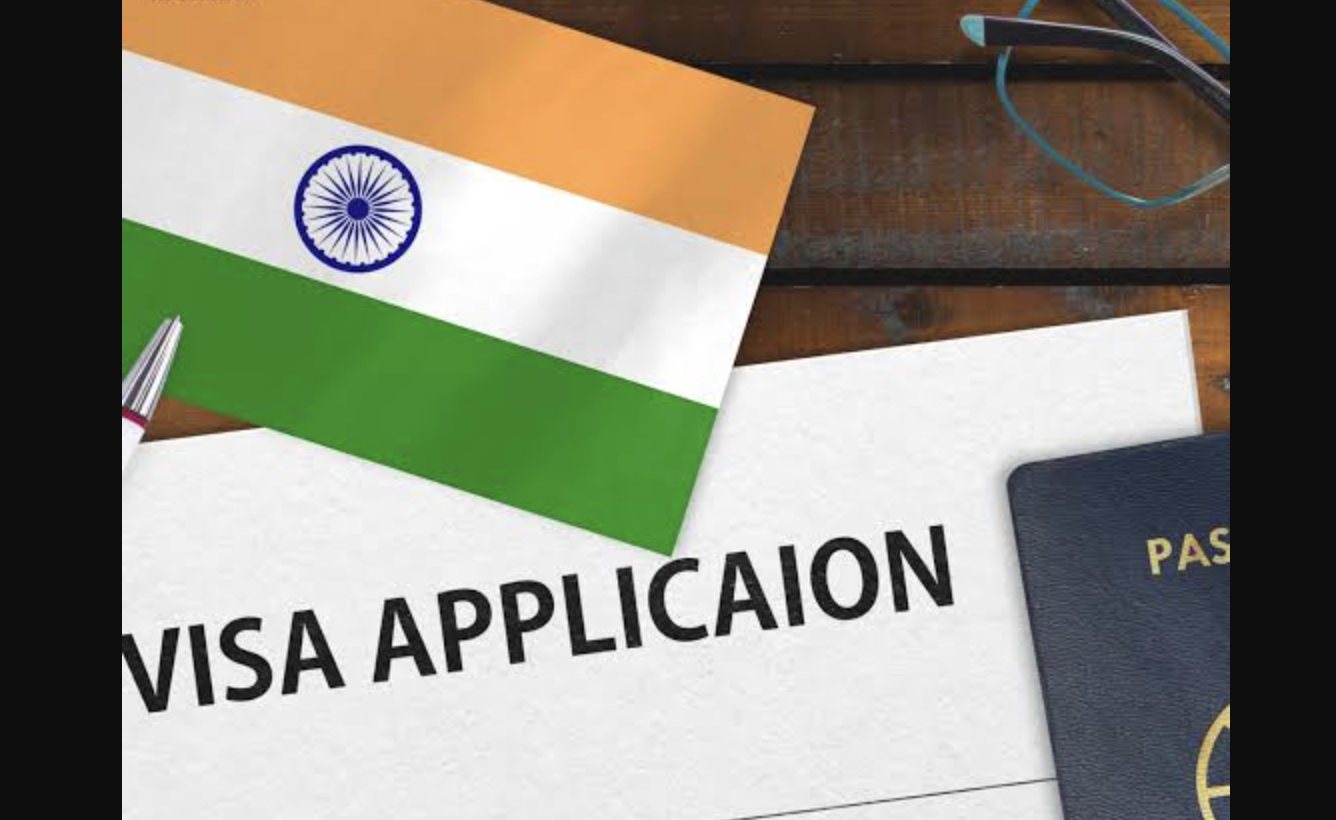


The Government of India has simplified its visa framework by reducing the number of main visa categories from 13 to nine and sub-categories from 49 to 23. The Ministry of Home Affairs (MHA) has also reduced the number of fields in visa application forms by 65% to 70%, aiming to make the process easier and faster for foreign nationals visiting the country.
The changes are intended to encourage foreign tourist arrivals, medical value travel, international students and greater economic engagement with India. The revised framework is designed to reduce overlapping categories and make it easier for visitors to identify the appropriate visa for their purpose.
Nine Main Visa Categories Introduced
The revised Indian visa framework includes nine main categories:
- Business Visa
- Diplomatic Visa
- Work Visa
- Journalist Visa
- Medical Visa
- Official Visa
- Student Visa
- Visitor Visa
- Miscellaneous Visa
This is the second phase of the government’s visa rationalisation exercise. In October 2025, the number of main categories was reduced from 22 to 13, while sub-categories were brought down from 63 to 49.
The latest changes, implemented on August 27, 2026, further consolidate the system into a more streamlined structure.
Tourist Visa Renamed Visitor Visa
One of the significant changes is the renaming of the Tourist Visa as the Visitor Visa. The new category covers a wider range of activities beyond conventional tourism.
It has been divided into two sub-categories, V-1 and V-2.
The V-1 visa allows multiple entries over 30 days and covers tourism, business meetings, medical consultations, wellness retreats, short-duration medical treatment and short courses in Indian languages, music, art and craft.
The V-2 visa offers longer validity of one, five or 10 years, depending on eligibility. It covers activities permitted under V-1 and also includes mountaineering. A separate six-month multiple-entry provision applies to mountaineering visitors.
Medical and Student Visa Rules Simplified
The Medical Visa framework has been reorganised to distinguish between conventional medical treatment and AYUSH treatment.
The M-1 category covers treatment outside AYUSH systems, while M-3 is for AYUSH treatment. Both will ordinarily be granted for one year with multiple entries. Attendants accompanying patients will be eligible for M-2 and M-4 visas, respectively.
Student visas have also been consolidated into two categories. S-1 covers school, undergraduate and postgraduate education, while S-2 covers research activities, PhD programmes, visiting faculty assignments, internships and student exchanges.
Eligible foreign students enrolled through the Study in India portal may receive multiple-entry e-S1 visas valid for up to five years or the duration of their course, whichever is shorter.
Business Visa Categories Restructured
Business visas have been divided into B-1 and B-2 categories. B-1 covers long-term, licence-based activities, including establishing industrial or business ventures in India. B-2 covers short-term, contract-based activities such as conferences, production investment, sports, cultural performances and film shoots.
Foreign technical specialists and engineers engaged by Indian companies for activities such as installation, maintenance, training and technology transfer may also obtain a Production Investment Business Visa under B-2 through the e-Visa platform. This replaces the earlier e-B4 nomenclature.
New Framework Expected by End of 2026
India currently offers e-Visas to nationals of 172 countries across 13 sub-categories. The MHA is updating its information technology systems to implement the revised framework.
According to the ministry, visas under the new system are expected to be issued by the end of 2026.
The reduction in application fields across all 23 visa sub-categories is expected to lower the time and effort required from applicants while allowing authorities to focus on essential information during visa processing.
Summary
India has reduced its main visa categories from 13 to nine and sub-categories from 49 to 23, while cutting application form fields by 65% to 70%. The changes include a broader Visitor Visa, revised medical and student visa provisions, and streamlined business categories. The government is updating its IT systems, with the new framework expected to become operational by the end of 2026.