India, once one of the world’s largest sugar exporters, may remain largely absent from global sugar markets for at least the next three years as rising ethanol production and the threat of El Niño-driven weather disruptions squeeze domestic supplies. According to industry executives, traders, and government sources, the combination of lower sugarcane availability and growing demand for ethanol could leave little surplus sugar available for exports in the coming seasons.
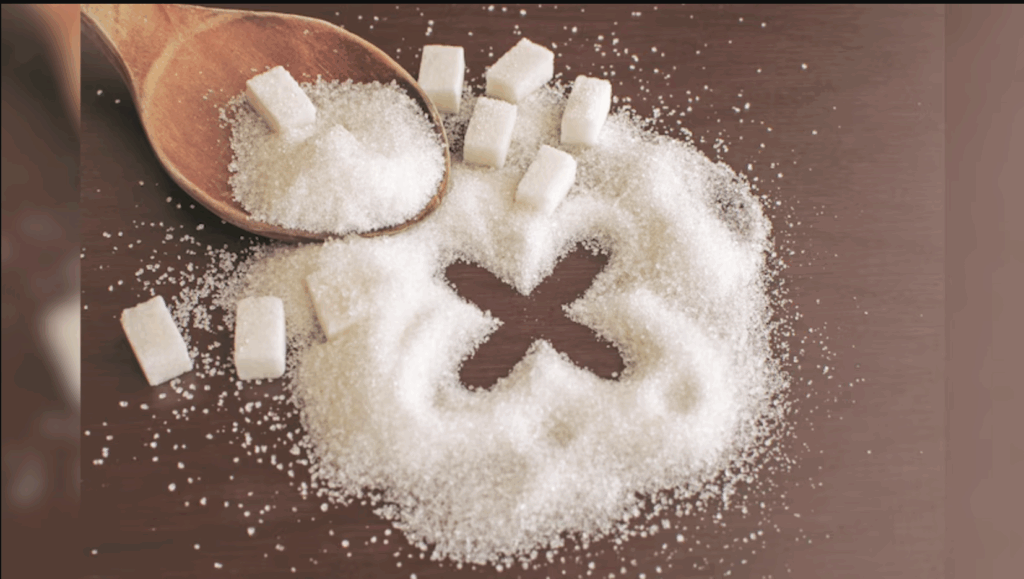
The development could have far-reaching implications for global sugar prices, particularly for importing countries across Asia, Africa, and the Middle East that have traditionally relied on Indian sugar shipments.
Ethanol Programme Reducing Sugar Availability
A key factor behind the expected decline in exports is India’s aggressive ethanol blending programme. The government has been encouraging sugar mills to divert more sugarcane and sugar derivatives towards ethanol production to reduce dependence on imported crude oil and support cleaner fuels.
As ethanol demand rises, a growing share of sugarcane is being channelled away from sugar production. Industry estimates suggest that the proportion of sugar diverted towards ethanol could continue increasing in the coming years as India pursues higher blending targets.
This leaves less sugar available for domestic consumption and exports.
El Niño Raises Fresh Concerns
The situation is being compounded by concerns over El Niño, which is expected to weaken monsoon rainfall across parts of India. Weather experts warn that below-average rainfall could impact sugarcane cultivation in key producing states, reducing yields and tightening supplies further.
Reports indicate that delayed planting and lower rainfall in several regions have already raised concerns among farmers and industry participants. If monsoon performance deteriorates further, sugar production could come under additional pressure in the coming seasons.
Government Likely to Prioritise Domestic Supply
Sugar remains a politically sensitive commodity in India, where it is widely consumed and plays an important role in food inflation management. As a result, the government is expected to continue prioritising domestic availability over exports.
Earlier this year, India banned sugar exports until September 2026 to maintain adequate local supplies and control prices. Industry sources suggest that authorities may continue reviewing export permissions on a season-by-season basis rather than announcing a long-term ban.
This approach would give policymakers flexibility to respond to changing production and consumption trends.
Impact on Global Sugar Markets
India has historically been one of the world’s largest sugar exporters, accounting for roughly 10% of global sugar shipments during peak export years. A prolonged absence from international markets could tighten global supplies and support higher sugar prices.
Other major producers such as Brazil and Thailand may partially fill the gap, but both countries also face weather-related risks linked to El Niño. Market analysts believe this could create additional volatility in global sugar markets over the next few years.
What It Means for India
While lower exports may disappoint sugar mills that benefit from overseas sales, the shift reflects India’s changing priorities. The focus is increasingly moving towards energy security, ethanol production, and ensuring sufficient domestic supplies.
As the country’s ethanol blending programme expands and climate-related challenges intensify, India’s sugar industry may undergo a significant transformation. Instead of serving as a major global exporter, a larger share of future sugarcane production could be directed towards meeting domestic fuel and consumption needs.
Summary
India is unlikely to emerge as a significant sugar exporter for at least the next three years due to rising ethanol production and the threat of El Niño-related disruptions to sugarcane output. Industry sources say limited surplus supplies will force the government to prioritise domestic demand. The development could tighten global sugar supplies, support international prices, and accelerate India’s shift towards ethanol-driven sugarcane utilisation.