India has taken a significant step towards cleaner transportation with the launch of hydrogen-powered vehicle trials on 10 major highway corridors across the country. Announced by Union Road Transport and Highways Minister Nitin Gadkari, the pilot programme aims to evaluate hydrogen as a viable alternative fuel for commercial transport while supporting India’s long-term goal of reducing carbon emissions and dependence on imported fossil fuels.
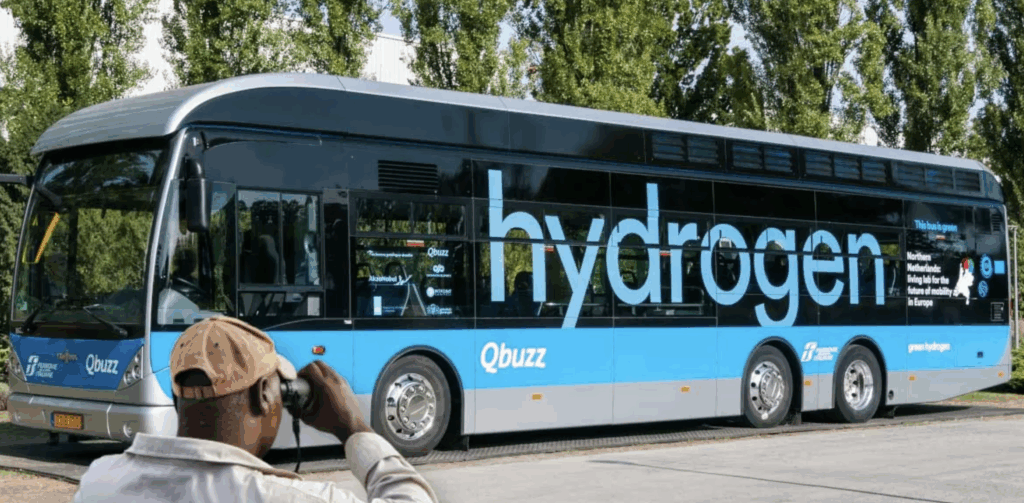
The initiative marks one of the country’s biggest experiments with hydrogen-based mobility.
Hydrogen Trials Across 10 Key Routes
The pilot projects are being conducted on several important highway corridors, including the Pune–Mumbai, Greater Noida–Delhi–Agra, Ahmedabad–Vadodara–Surat, Bhubaneswar–Konark–Puri, Sahibabad–Faridabad–Delhi, Jamshedpur–Kalinga Nagar, Thiruvananthapuram–Kochi, Kochi–Edappally, Jamnagar–Ahmedabad, and Visakhapatnam–Bayyavaram routes.
These corridors have been selected to test hydrogen-powered vehicles under different traffic, terrain, and climate conditions across India.
Why Hydrogen Matters
Hydrogen is increasingly viewed as one of the cleanest fuels for the future of transportation. Hydrogen fuel-cell vehicles produce electricity by combining hydrogen with oxygen, emitting only water vapour as a by-product. This makes them an environmentally friendly alternative to petrol and diesel vehicles.
The technology is especially promising for buses, trucks, and long-distance commercial vehicles, where battery-electric solutions may face challenges related to charging time and driving range.
Reducing Oil Imports And Emissions
India imports a large share of its crude oil requirements, making fuel security a national priority. By promoting hydrogen-based mobility, the government aims to reduce dependence on imported fossil fuels while lowering greenhouse gas emissions from the transport sector.
The programme also aligns with India’s broader clean energy strategy, which includes the expansion of electric vehicles, ethanol blending, biofuels, and green hydrogen production.
Challenges Ahead
Despite its environmental benefits, hydrogen mobility still faces several challenges. Building hydrogen production facilities, storage infrastructure, and refuelling stations will require significant investment. The cost of producing green hydrogen also remains relatively high, although experts expect prices to decline as technology advances and production scales up.
The pilot projects will help policymakers understand the commercial viability and operational challenges before wider adoption.
Looking Ahead
The success of these trials could shape the future of India’s transportation sector. If hydrogen-powered vehicles perform well under real-world conditions, they could become an important part of the country’s transition towards cleaner and more sustainable mobility. The initiative also reinforces India’s ambition to become a global leader in green transportation technologies.
Summary
India has begun hydrogen-powered vehicle trials on 10 major highway routes to evaluate the fuel’s potential for cleaner transportation. The initiative aims to reduce carbon emissions, strengthen energy security, and decrease dependence on imported crude oil. If successful, the pilot projects could accelerate the adoption of hydrogen-powered commercial vehicles and support India’s long-term transition to sustainable mobility.