

Honda Motorcycle and Scooter India (HMSI) is studying the second-hand electric scooter market before deciding how aggressively to expand its electric vehicle business in India. The company wants to understand how electric scooters retain their value, how batteries perform after years of use and what influences buyers in the pre-owned EV market.
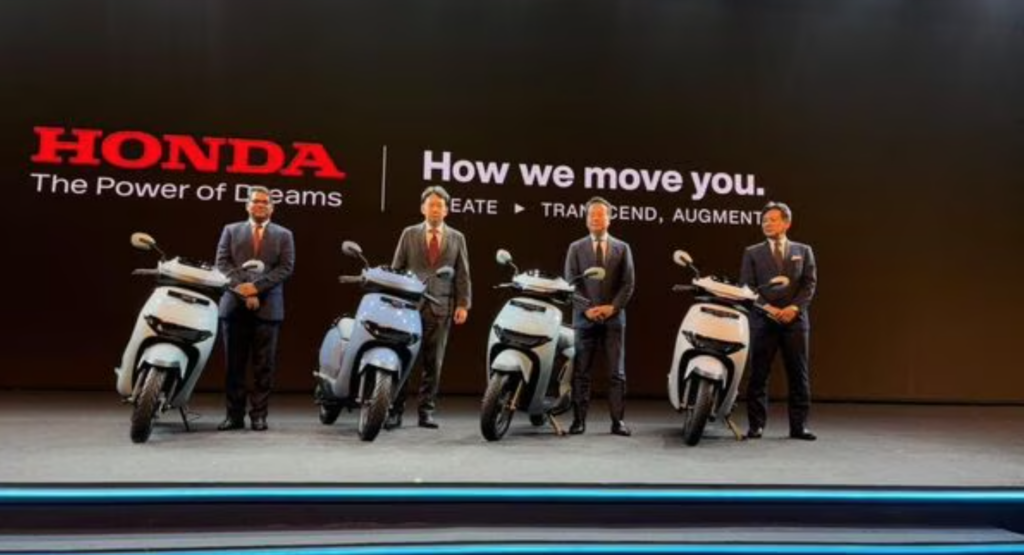
Honda believes these insights will help it address ownership concerns and develop electric two-wheelers that better meet Indian customers’ expectations.
Honda Wants to Understand EV Resale Values
One of Honda’s key concerns is the resale value of electric scooters. Petrol-powered two-wheelers have an established second-hand market, but electric vehicles introduce additional questions about battery degradation, replacement costs and long-term reliability.
Honda Motorcycle and Scooter India President, Managing Director and CEO Tsutsumu Otani expects the company to gain a clearer understanding of the used electric two-wheeler market within the next three years.
The company is examining how customers use their electric scooters over time and whether they continue riding them, replace their batteries or switch to another vehicle as the battery ages.
Battery Health Could Become a Key Factor
Battery condition is an important consideration for prospective used-EV buyers. Unlike conventional scooters, electric models can lose some of their battery capacity over time, potentially affecting their range and resale value.
Honda believes reliable battery-health indicators could help customers assess a used electric scooter before purchasing it. Otani compared the concept with battery-health information available on smartphones.
A standardised assessment system could make it easier for buyers to compare used electric scooters and understand the remaining life of their batteries. It could also help sellers establish more transparent resale prices.
Battery Swapping and Subscription Models Under Study
Honda is also examining different battery ownership arrangements for electric two-wheelers.
For commercial users, including delivery operators, battery swapping can reduce downtime by allowing riders to replace depleted batteries instead of waiting for them to recharge.
Private customers may benefit from battery subscription models, under which the battery remains the service provider’s asset rather than the buyer’s responsibility. Such arrangements could reduce concerns about battery replacement expenses and depreciation.
Honda is assessing which solutions best match the needs of different customer groups.
Honda’s Electric Scooter Plans in India
Honda has introduced the Activa e:, QC1 and QC3 in India as part of its electric mobility plans. However, the company is taking a measured approach as it evaluates customer demand, pricing expectations and the economics of electric two-wheeler ownership.
The QC3 was launched in September 2026 at an ex-showroom price of Rs 1.35 lakh, with its initial rollout planned across five cities. Honda has indicated that additional electric products are under consideration, although it has not disclosed specific launch dates.
The company’s used-EV market study does not mean it is abandoning electric mobility. Instead, Honda wants a clearer picture of ownership costs and customer behaviour before making its next strategic move.
Summary: Honda Motorcycle and Scooter India is studying the used electric scooter market to understand battery health, resale values and long-term ownership patterns. The company expects greater clarity within three years. Its findings could influence future EV launches, battery-swapping services and subscription models, helping Honda address concerns that currently affect electric two-wheeler adoption in India.