The Centre has introduced a significant change to India’s fuel distribution system by prohibiting bulk industrial consumers from purchasing petrol and diesel through retail fuel stations. Under the new directive, industries and large commercial users will be required to procure fuel directly from authorized suppliers rather than relying on public petrol pumps for bulk requirements.
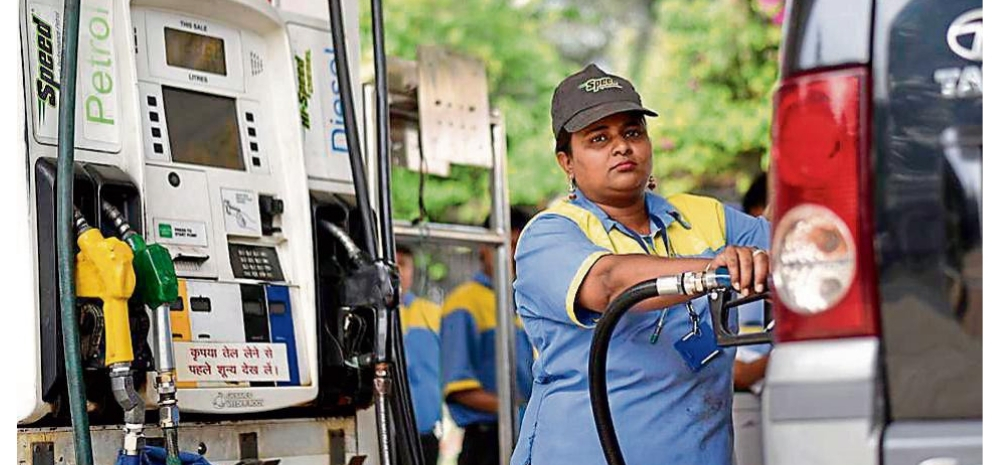
The move is aimed at improving fuel distribution efficiency, enhancing transparency, and ensuring that retail outlets primarily serve individual consumers and smaller users.
What Has Changed?
Until now, many industrial and commercial consumers sourced petrol and diesel from regular fuel stations for operational requirements. The new policy restricts such bulk purchases through retail outlets, effectively separating retail fuel sales from large-scale industrial consumption.
Industries that require significant quantities of fuel will now have to obtain supplies directly from oil marketing companies (OMCs) or authorized bulk fuel suppliers through dedicated arrangements.
Officials believe this will create a clearer distinction between retail and industrial fuel distribution channels.
Why the Government Introduced the Rule
The decision comes amid efforts to improve oversight of fuel sales and strengthen supply-chain management. Authorities have expressed concerns that bulk purchases through retail outlets can complicate demand forecasting, inventory planning, and distribution management.
By directing industrial consumers toward dedicated supply channels, policymakers hope to improve operational efficiency and enable better monitoring of fuel consumption patterns.
The measure is also expected to help oil marketing companies manage logistics more effectively by aligning fuel deliveries with specific industrial demand.
Which Sectors Could Be Affected?
The new rule is likely to impact a wide range of industries that depend on large quantities of petrol or diesel for daily operations. Construction companies, manufacturing units, mining operations, infrastructure contractors, logistics providers, and commercial establishments are among those expected to adjust their procurement processes.
Businesses that rely heavily on diesel-powered equipment, generators, heavy machinery, and transportation fleets may need to establish direct supply agreements with fuel providers.
While the transition could require operational adjustments, industry experts believe large consumers are generally better positioned to manage fuel procurement through dedicated supply arrangements.
Impact on Fuel Retailers
Retail petrol pumps are expected to benefit from a clearer focus on serving regular consumers, including private vehicle owners, small businesses, and local transport operators.
The change may also help reduce pressure on retail fuel inventories during periods of high demand, ensuring more predictable availability for everyday consumers.
For oil companies, dedicated industrial supply arrangements could improve planning and reduce inefficiencies associated with handling large-volume purchases through retail networks.
What Happens Next?
Industry stakeholders are expected to work with oil marketing companies to ensure a smooth transition to the new procurement framework. Companies that currently rely on fuel stations for bulk purchases may need to revise procurement contracts, logistics systems, and storage arrangements.
The policy reflects the government’s broader effort to modernize fuel distribution and improve supply-chain management. While the immediate impact will be felt primarily by industrial users, the move is expected to create a more structured and transparent fuel distribution ecosystem in the long run.