As tensions in West Asia raised concerns about the safety of global energy supply routes, many countries worried about potential disruptions to crude oil and fuel shipments passing through the strategically important Strait of Hormuz. However, India managed to avoid any major fuel shortages, ensuring that petrol pumps remained operational and household kitchens continued receiving LPG supplies without interruption.
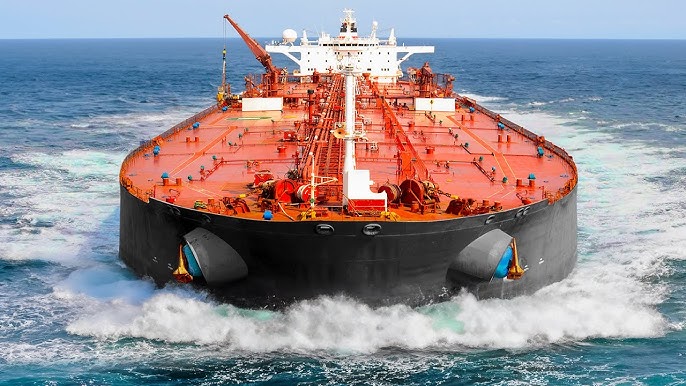
A combination of diversified import sources, strategic planning and a robust energy distribution network helped India navigate the uncertainty with minimal impact on consumers.
Why the Strait of Hormuz Matters
The Strait of Hormuz is one of the world’s most critical energy chokepoints, handling nearly a fifth of global oil shipments. Any disruption in the narrow waterway can trigger fears of supply shortages and sharp increases in energy prices.
During the recent geopolitical tensions in the region, concerns emerged that shipping movements through the strait could be affected, potentially impacting countries heavily dependent on energy imports.
For India, which imports more than 85% of its crude oil requirements, any prolonged disruption could have serious economic consequences.
India’s “41 Doors” Strategy
According to energy sector experts, India’s resilience stems from what officials describe as a “41-door” import system. Rather than relying heavily on a few countries or routes, India sources crude oil and energy products from dozens of suppliers across different regions.
These include producers in the Middle East, Africa, North America, South America and Russia. Such diversification reduces dependence on any single route or supplier and allows importers to quickly adjust sourcing strategies when geopolitical risks emerge.
This broad network of suppliers ensured that even if shipments from one region were delayed, alternative sources remained available.
Strategic Reserves Added an Extra Layer of Security
India’s Strategic Petroleum Reserve (SPR) programme also played an important role in strengthening energy security. The reserves provide a buffer against temporary supply disruptions and help stabilise domestic fuel availability during periods of uncertainty.
Combined with inventories maintained by oil marketing companies and refineries, the reserves helped reassure markets that fuel supplies would remain adequate even if international disruptions intensified.
LPG Supplies Remained Stable
One of the biggest concerns during any energy crisis is the availability of cooking gas for households. India addressed this challenge through diversified LPG sourcing and strong domestic distribution networks.
Public sector companies maintained adequate inventory levels and ensured that cylinders continued reaching consumers across urban and rural areas. As a result, there were no widespread disruptions to household cooking fuel supplies despite global concerns.
Fuel Retail Network Continued Normal Operations
India’s extensive fuel distribution infrastructure, which includes thousands of petrol pumps, storage facilities, pipelines and transportation networks, helped maintain uninterrupted supplies throughout the period.
Oil marketing companies coordinated closely with refineries and logistics providers to ensure that petrol and diesel remained available across the country. Consumers largely experienced normal fuel availability despite headlines surrounding the Hormuz situation.
A Lesson in Energy Resilience
The recent episode highlights how diversification and strategic planning can protect countries from global energy shocks. By sourcing energy from multiple regions, maintaining reserves and investing in infrastructure, India was able to withstand uncertainty without significant disruption to daily life.
The experience also underscores the importance of strengthening long-term energy security as geopolitical risks continue to influence global commodity markets.
Summary
Despite fears of disruptions in the Strait of Hormuz, India successfully maintained uninterrupted supplies of petrol, diesel and LPG. Diversified energy imports from multiple countries, strategic petroleum reserves and a strong nationwide distribution network helped ensure fuel pumps and household kitchens continued operating normally. The episode demonstrated India’s growing resilience against global energy supply shocks.