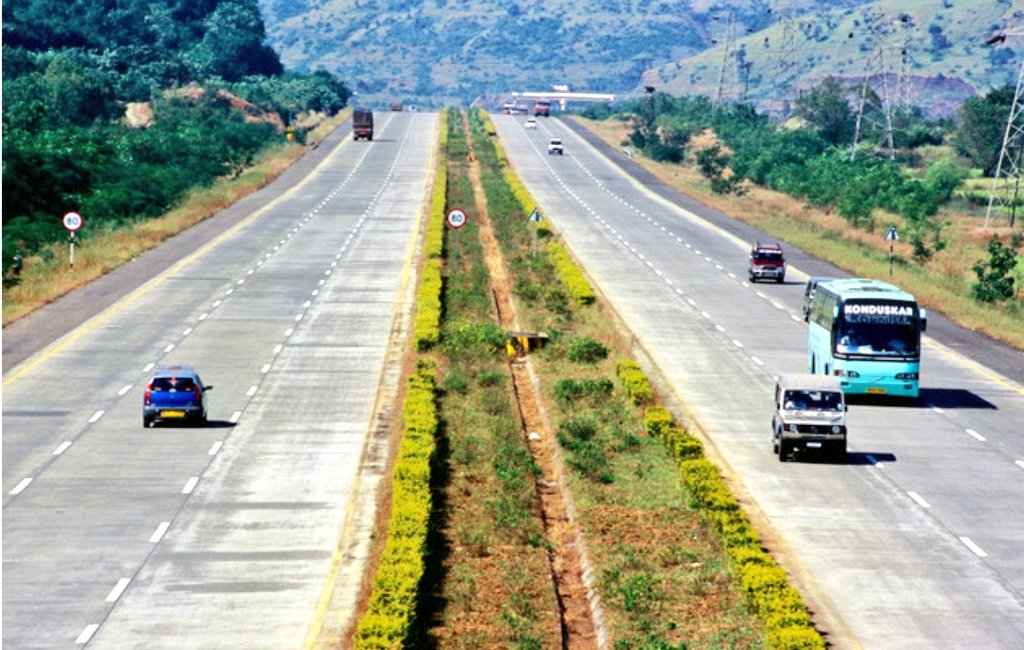
The Government of India has clarified that global air quality rankings showing the country as one of the most polluted are not official assessments. Instead, India emphasised that it has established its own air quality standards and monitoring framework tailored to the nation’s unique environmental and development context.
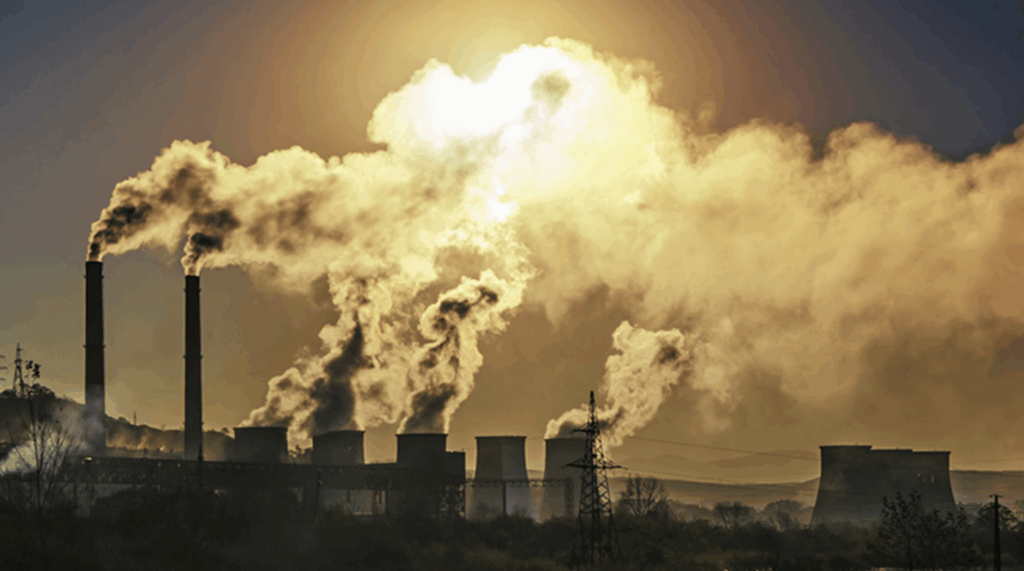
This statement comes amid widespread media reports and international indices that regularly rank Indian cities high on pollution lists. While global data highlights air quality challenges, the government maintains that such rankings do not reflect the official position or methodology used by Indian authorities to assess air pollution.
India’s Approach to Air Quality Measurement
India’s air quality monitoring is governed by national standards that are designed to align with its specific environmental conditions and economic considerations. These standards involve regular data collection from a network of monitoring stations distributed across the country, measuring key pollutants such as particulate matter (PM2.5 and PM10), nitrogen dioxide, sulfur dioxide, ozone, and others.
The government underlined that its national assessment framework is the authoritative reference for air quality in India, and that international rankings are based on external datasets and methodologies that may not fully capture local measurement practices or recent improvements in pollution control.
Officials reiterated that India is taking proactive steps to improve air quality through various programmes, policies, and technological interventions. Efforts include promoting cleaner fuels, stricter emissions norms, widespread air quality monitoring, and data transparency initiatives.
Balancing Development and Environmental Goals
Air pollution remains a major public health concern in India, particularly in densely populated urban areas. High levels of particulate pollution have been linked to respiratory diseases, cardiovascular problems, and other health risks, prompting governments and civil society to push for stronger environmental action.
The central government acknowledged these challenges but emphasised that its standards account for both environmental protection and economic realities. India argues that national standards must reflect the country’s stage of industrialisation, population density, and climatic conditions to be both effective and practicable.
According to officials, improvements in air quality have been recorded in several regions due to concerted efforts in reducing vehicular emissions, transitioning to cleaner energy sources, and implementing pollution control measures in industrial zones. These gains, they say, may not always be immediately visible in international rankings, which rely on independent models and data sources.
Government Pushes for Collaborative Solutions
The government has also underscored the importance of collaboration with states, cities, and international partners to tackle air pollution. Public awareness campaigns, tree-planting drives, waste management reforms, and investment in renewable energy are part of the broader strategy to ensure cleaner air for citizens.
By focusing on a science-based, India-specific framework, authorities aim to set realistic targets that can drive meaningful progress, while engaging communities and stakeholders to support sustainable change.