US investor Peter Thiel has led a $140 million investment in startup Panthalassa, pushing its valuation close to $1 billion.
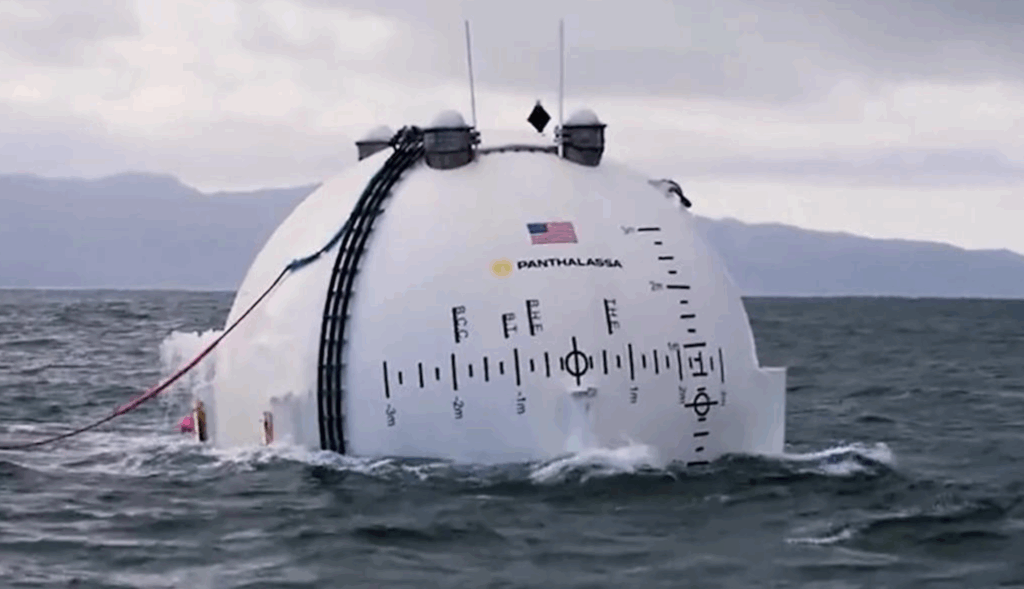
The company is building floating AI data centers powered by ocean waves, aiming to solve one of AI’s biggest challenges—massive energy consumption.
Why AI Needs New Energy Solutions
As AI models grow more complex, their energy demand is skyrocketing. Traditional data centers:
- Consume enormous electricity
- Strain national power grids
- Increase carbon emissions
Panthalassa’s approach moves computing away from land and into the ocean, where energy is abundant and underutilised.
How Ocean-Based Data Centers Work
At the core of this innovation are Ocean-3 nodes—autonomous floating platforms designed for offshore deployment.
These platforms:
- Use wave energy to generate electricity
- Operate like floating hydroelectric systems
- Power AI chips directly onboard
- Use ocean water for natural cooling
- Transmit results via satellite
This eliminates dependence on land-based grids and fossil fuels.
Backed by Big Names
The funding round includes major global investors such as:
- John Doerr
- TIME Ventures
- Hanwha Group
- Super Micro Computer
Existing backers like Founders Fund and Lowercarbon Capital have also reinvested, signaling strong confidence in the concept.
Deployment Timeline
Panthalassa has already tested earlier prototypes like Ocean-1 and Ocean-2.
Next steps include:
- 2026: Pilot deployments in the northern Pacific
- 2027: Start of commercial AI operations
The company is also setting up a manufacturing facility near Portland to scale production.
Why the Ocean Is the “Next Frontier”
CEO Garth Sheldon-Coulson points out that ocean waves represent one of the largest untapped energy sources on Earth, potentially generating tens of terawatts.
If successful, this model could deliver:
- Ultra-low energy costs (as low as $0.02/kWh)
- Clean, renewable AI infrastructure
- Scalable computing far beyond land limits
Challenges Ahead
Despite the promise, hurdles remain:
- Harsh ocean conditions
- Maintenance and durability
- Regulatory approvals
- Data latency concerns
Scaling such infrastructure will require both technological and logistical breakthroughs.
The Bigger Picture
Panthalassa’s approach reflects a broader trend—pushing AI infrastructure into unconventional environments like oceans, deserts, and even space.
It signals a shift from “more servers” to smarter energy strategies.
The Bottom Line
As AI’s energy appetite grows, solutions like ocean-powered data centers could redefine the future of computing.
Panthalassa’s $140 million bet is not just about innovation—it’s about where the next generation of AI will physically live.