India’s ambitious Delhi-Varanasi Bullet Train project has entered a crucial new phase, with authorities preparing proposals for land acquisition along the planned high-speed rail corridor. The development signals fresh momentum for one of the country’s most important infrastructure projects, which aims to connect major cities across northern India through ultra-fast rail travel.
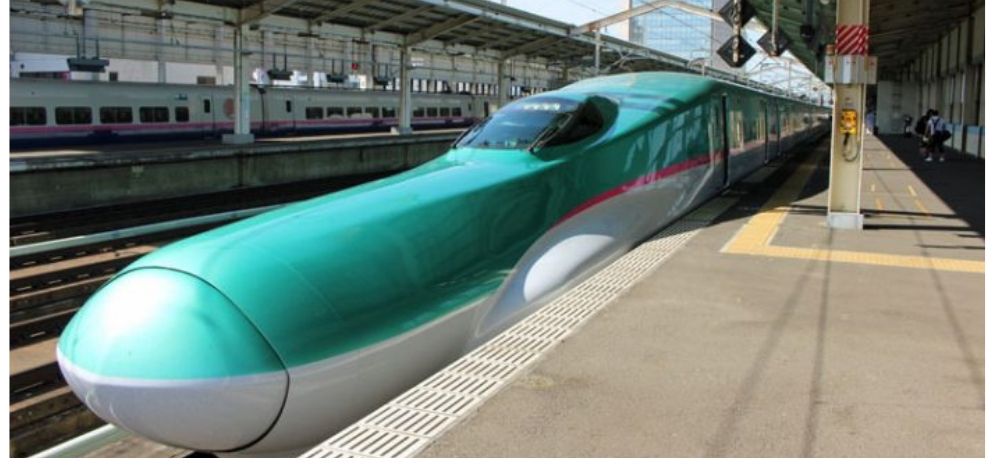
The corridor is expected to link Delhi, Noida, Agra, Lucknow, Prayagraj and Varanasi, significantly reducing travel times while creating a new economic and transportation backbone across Uttar Pradesh.
Land Acquisition Process Gains Momentum
According to reports, district administrations are preparing land acquisition proposals for areas that will be affected by the project. In Prayagraj and several other districts along the route, officials have begun identifying land parcels required for tracks, stations, depots and supporting infrastructure.
Land acquisition is considered one of the most critical stages of any large infrastructure project. Once completed, it paves the way for detailed engineering work, tendering and eventual construction. The latest developments suggest authorities are moving closer to ground-level implementation of the corridor.
A High-Speed Corridor Connecting Key Cities
The Delhi-Varanasi High-Speed Rail Corridor is expected to be India’s second major bullet train project after the Mumbai-Ahmedabad route. The proposed network will span more than 800 kilometres and connect several important urban, economic and cultural centres in northern India.
Planned stations are expected to include Delhi, Noida, Jewar Airport, Agra, Lucknow, Prayagraj and Varanasi, among others. The project is being overseen by the National High Speed Rail Corporation Limited (NHSRCL), the agency responsible for developing India’s bullet train infrastructure.
Travel Time Could Be Slashed Dramatically
One of the biggest attractions of the project is the potential reduction in travel time. Railway Minister Ashwini Vaishnaw recently said the corridor could cut Delhi-Varanasi travel time to around 3 hours and 50 minutes, while Delhi-Lucknow journeys may take only about 2 hours.
Such reductions could make high-speed rail a strong alternative to domestic air travel on several routes while improving business connectivity across the region.
Part of a Larger Bullet Train Vision
The Delhi-Varanasi route is one of several high-speed rail corridors proposed under the government’s long-term infrastructure strategy. The Union Budget 2026-27 announced plans for multiple bullet train corridors aimed at connecting major economic hubs and reducing travel times across the country.
Officials believe these projects will not only improve transportation but also stimulate industrial growth, tourism, urban development and employment generation along the routes.
What Happens Next?
With land acquisition planning now underway, the project is gradually moving from the proposal stage toward implementation. While several approvals and procedural steps remain before construction begins, the latest development indicates that preparations are accelerating on the ground.
If executed as planned, the Delhi-Varanasi Bullet Train could become one of India’s most transformative transportation projects, reshaping travel across northern India and bringing the country closer to its high-speed rail ambitions.