OpenAI, the company behind ChatGPT, is reportedly laying the groundwork for a blockbuster initial public offering (IPO) that could value it as high as $1 trillion, according to sources familiar with the matter. If realized, it would be among the largest IPOs in history, rivaling listings from tech giants like Apple and Amazon.
The company could file with U.S. securities regulators by the second half of 2026, though Chief Financial Officer Sarah Friar has indicated that a 2027 listing is also possible, depending on market conditions and growth trajectory.
IPO to Fuel OpenAI’s Expanding Capital Needs
OpenAI’s potential listing reflects a growing urgency to access public capital markets. With an annualized revenue run rate nearing $20 billion, the company continues to invest heavily in research and infrastructure while managing mounting operational costs.
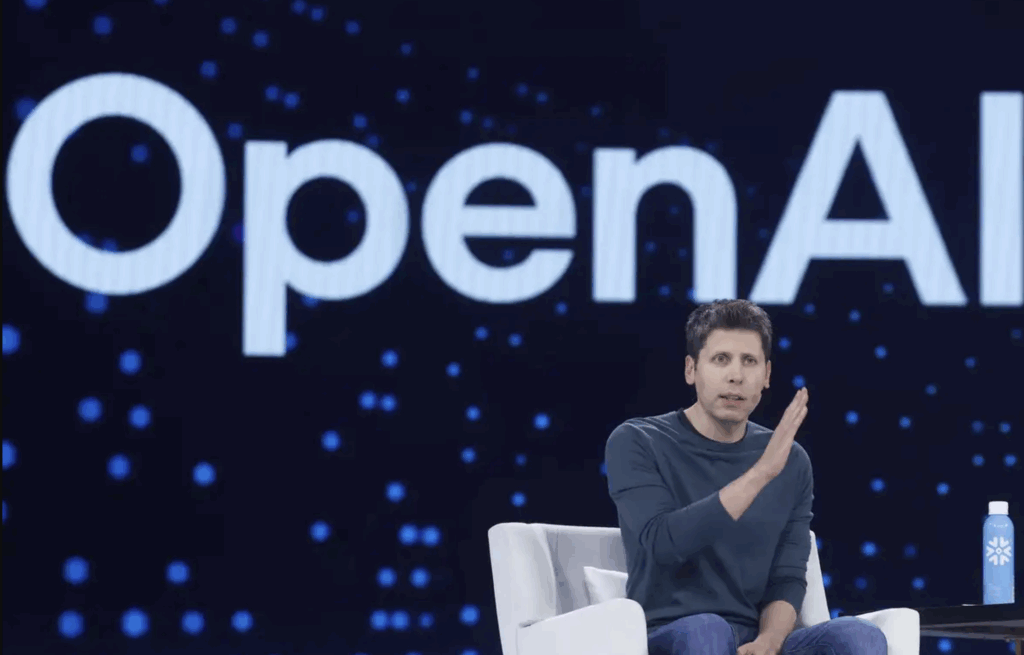
CEO Sam Altman recently acknowledged during a livestream that going public is the “most likely path” given the massive capital required to scale AI infrastructure globally. An IPO could also allow OpenAI to make larger acquisitions and finance its ambitious plans to build next-generation AI systems and data centers.
Restructuring Paves the Way for Market Entry
Founded as a nonprofit in 2015, OpenAI transitioned in 2019 to a capped-profit model to balance innovation and ethics. The company recently restructured once again, creating the OpenAI Foundation, which holds a 26% stake in the new OpenAI Group and may acquire more shares upon hitting certain milestones.
This new structure maintains nonprofit oversight while enabling the company to attract investors more effectively—a critical step before any public listing.
Reduced Reliance on Microsoft, Stronger Independence
The restructuring also reduces OpenAI’s dependence on Microsoft, which has invested heavily in the company. By paving its own financial path, OpenAI can raise funds more flexibly and expand its reach beyond exclusive partnerships.
If successful, the IPO could mark a turning point—not only for OpenAI—but for the entire AI industry, symbolizing its transition from experimental research to mainstream global enterprise.