In a landmark judgment with significant implications for telecom operators and digital banking security, the Karnataka High Court has held that telecom companies can be held liable for SIM swap frauds caused by negligence. The court directed Bharat Sanchar Nigam Limited (BSNL) to pay compensation of over ₹55 lakh after a cooperative bank suffered major financial losses due to the unauthorized issuance of a duplicate SIM card.
What Was the Case About?
The case involved a cooperative bank that lost approximately ₹87 lakh after cyber fraudsters obtained a duplicate SIM card linked to the bank’s mobile number. Once the fraudsters gained control of the number, they intercepted OTPs and other authentication messages, enabling unauthorized online transactions from the bank’s account.
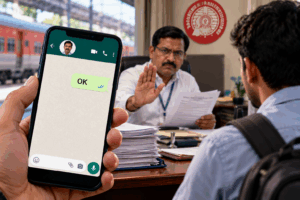
The duplicate SIM was allegedly issued by a BSNL official without proper verification of the subscriber’s identity, which became the central issue in the litigation.
Court Highlights Telecom Operators’ Responsibility
Justice Suraj Govindaraj emphasized that telecom service providers play a critical role in India’s digital banking ecosystem and must exercise extreme caution before issuing replacement SIM cards. The court observed that negligence in identity verification can directly enable financial fraud and cause substantial losses to customers.
Accordingly, the High Court held BSNL vicariously liable for the actions of its employee and ordered compensation exceeding ₹55 lakh to the affected bank. The ruling reinforces the principle that telecom companies cannot escape responsibility when procedural lapses contribute to cybercrime.
Banks Also Asked to Strengthen Safeguards
While holding BSNL accountable, the court also stressed that banks must adopt stronger safeguards against SIM swap fraud. It suggested measures such as multiple authentication channels, transaction monitoring following SIM replacement requests, alternate alert mechanisms, and greater customer awareness initiatives.
Experts believe these recommendations could become increasingly important as cybercriminals continue to target mobile-linked banking services.
Why the Judgment Matters
The ruling is likely to have far-reaching consequences for the telecom industry. As digital payments and OTP-based authentication become central to India’s financial system, telecom operators may face increased scrutiny regarding SIM issuance and replacement procedures.
The judgment also sends a strong message that organizations responsible for maintaining digital identity infrastructure must follow strict verification standards. Failure to do so could result in significant legal and financial liability.
Summary
The Karnataka High Court has held BSNL liable for negligence in a SIM swap fraud case that resulted in a cooperative bank losing nearly ₹87 lakh. The court ordered compensation of over ₹55 lakh and emphasized that telecom operators must follow strict identity verification procedures before issuing duplicate SIM cards. The ruling could strengthen accountability across India’s digital banking and telecom sectors.