Delhi AQI Equals 7 Cigarettes a Day as Pollution Levels Spike
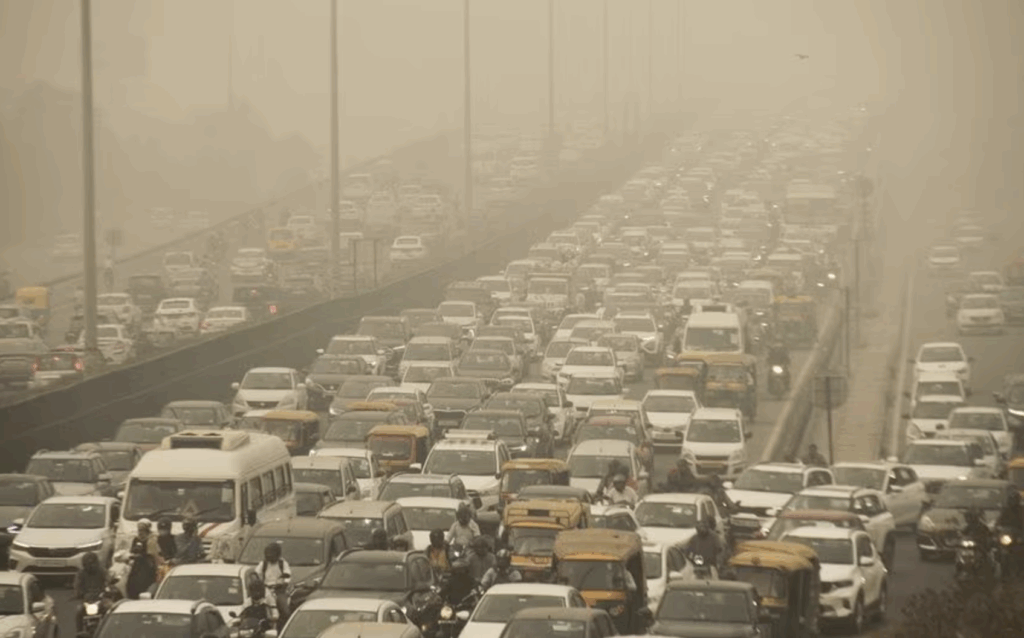
Delhi woke up to another smog-filled morning on November 3, with its air quality slipping further into the ‘very poor’ category. The alarming levels of pollution have made breathing in the capital equivalent to smoking nearly seven cigarettes a day, according to AQI.in data. Residents and authorities are on high alert as the toxic haze thickens across the city.
Pollution Soars Post-Diwali
Despite measures to curb emissions, Delhi’s pollution levels have worsened sharply after Diwali. The Air Quality Index (AQI) has crossed the 300 mark in several areas, indicating severe health risks. The most affected regions include Goutampuri (408), Holambi Khurd Village (561), Mustafabad (380), and Shahdara (312). Neighbouring cities such as Ghaziabad (360), Noida (289), Greater Noida (306), and Gurugram (201) are also witnessing dangerous pollution levels.
Local authorities have begun issuing health advisories, urging citizens to avoid outdoor activities, wear N95 masks, and use air purifiers indoors. Schools and hospitals have reported a surge in respiratory complaints, particularly among children and the elderly.
What Makes Delhi’s Air So Toxic?
The major pollutant driving this crisis is PM2.5, or fine particulate matter with a diameter smaller than 2.5 micrometres. On Monday, its concentration was recorded at 168 µg/m³, over 11 times the WHO safe limit of 15 µg/m³. These microscopic particles penetrate deep into the lungs and bloodstream, causing inflammation and long-term health damage.
Experts point out that seasonal crop stubble burning in neighbouring states, vehicular emissions, and construction dust have created a deadly cocktail of pollutants. The situation is expected to worsen as wind speeds drop and winter inversion traps pollutants closer to the ground.
Growing Health Concerns
Doctors warn that prolonged exposure to such air can lead to asthma, bronchitis, COPD, heart disease, and even lung cancer. The thick haze can also reduce visibility, increase road accidents, and disrupt flight operations. Citizens are advised to stay indoors during peak pollution hours, especially early morning and late evening, when pollutant concentration is highest.
As Delhi battles another toxic winter, health experts emphasize the urgent need for coordinated regional action — including curbing stubble burning, enforcing emission norms, and promoting sustainable transport — to prevent the capital from choking year after year.
Delhi’s air today isn’t just unhealthy — it’s life-shortening, and the cost is being paid with every breath.
Summary:
Delhi’s air quality has plummeted to ‘very poor’ levels post-Diwali, with AQI readings equivalent to smoking seven cigarettes a day. Areas like Goutampuri and Holambi Khurd Village recorded hazardous levels above 400. PM2.5 concentration reached 168 µg/m³, over 11 times the WHO limit, causing rising respiratory issues and urgent health concerns across the capital.