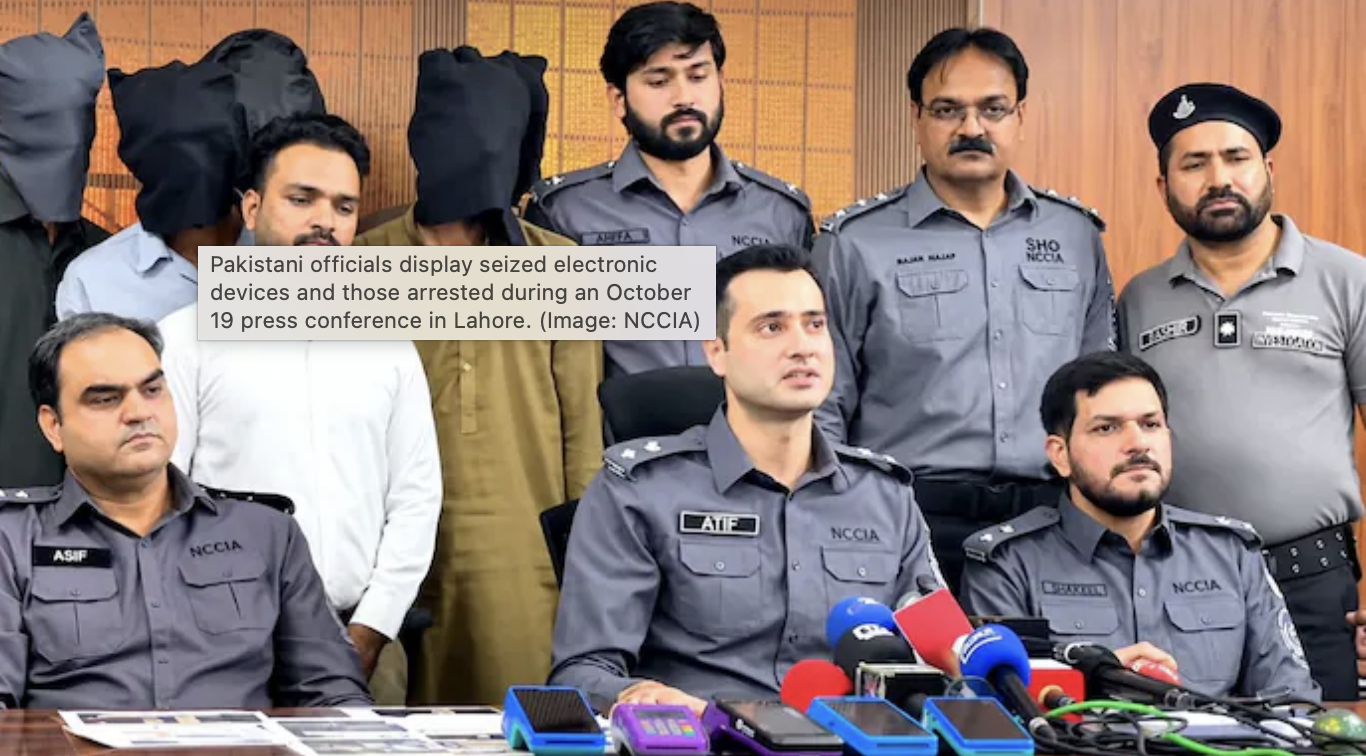


Authorities in Pakistan have uncovered an alleged cross-border fraud network involving artificial intelligence-generated passports, fabricated identities and credit card fraud targeting Canadian banks. According to Pakistan’s National Cyber Crime Investigation Agency (NCCIA), three Pakistani nationals allegedly worked with four Indian nationals living in Canada to create fake identities, open bank accounts remotely and obtain credit cards.
The case, announced in Lahore on October 19, 2026, highlights how AI-generated documents can be exploited to challenge digital identity verification systems.
How the Alleged Fraud Worked
According to investigators, the four Canada-based suspects allegedly prepared fake passport images and photographs using AI tools and sent them to their accomplices in Pakistan. The documents were reportedly combined with genuine personal information, such as identity numbers and dates of birth, to create synthetic identities representing people who did not actually exist.
The Pakistan-based suspects allegedly used these identities to open accounts online with major Canadian banks. Once the accounts were operational, credit cards were ordered and delivered to their alleged partners in Canada.
Investigators claim that the cards were then used up to their credit limits before being discarded. The alleged fraud came to light when banks investigated financial losses and identified inconsistencies in the account holders’ identities.
What Is Dolphin Anty, and Why Was It Used?
The NCCIA alleged that the suspects used Dolphin Anty, an anti-detect browser designed to disguise browser and device characteristics. Such software can be used to manage separate online identities, but it can also be abused to conceal the technical information that digital platforms use to identify users.
According to investigators, the tool helped the alleged network get around certain online identity verification checks. The case raises questions about whether financial institutions need stronger checks to establish that identity documents, personal details and applicants genuinely belong together.
Who Are the Seven Suspects?
Pakistani authorities identified the three suspects arrested in Pakistan as Subhan Butt, Gulrez Butt and Muhammad Noman. The four alleged Indian accomplices living in Canada were named as Deep Singh, Parjeet Singh, Harpreet Singh and Gurleen Singh.
Investigators reportedly seized four mobile phones, four laptops and printed copies of allegedly forged Canadian passports during the operation.
However, authorities have not publicly identified the Canadian banks allegedly targeted or disclosed the total financial losses. It also remains unclear whether the four Canada-based suspects have been arrested or formally charged in Canada.
AI Fraud Raises Concerns for Banks
The case illustrates how AI can lower the barriers to producing convincing fake documents and photographs. Fraudsters may combine generated images with real personal information to create synthetic identities that can pass weak verification processes.
Financial institutions may need to strengthen document authentication, live identity checks, device-risk monitoring and the verification of personal information against trusted records.
The investigation remains ongoing, and the allegations against the suspects have not been established in court.
Summary
Pakistan’s cybercrime agency says three Pakistani nationals worked with four Indians living in Canada in an alleged scheme to defraud Canadian banks using AI-generated passports and synthetic identities. Investigators claim the group opened accounts remotely, obtained credit cards and exhausted their limits. Three suspects were arrested in Lahore, while the status of the four Canada-based suspects remains unclear.