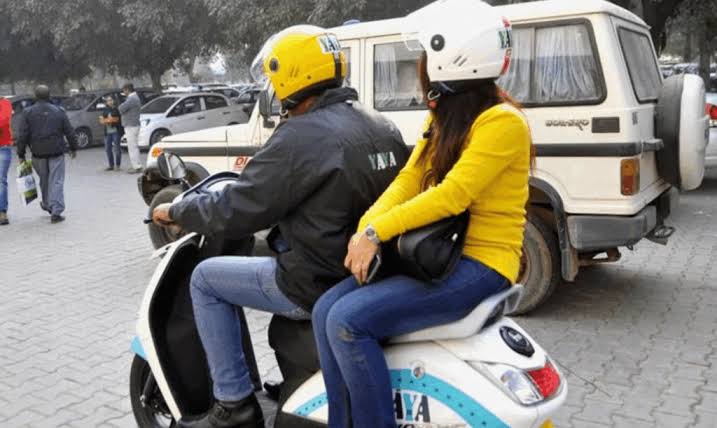
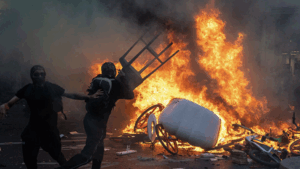
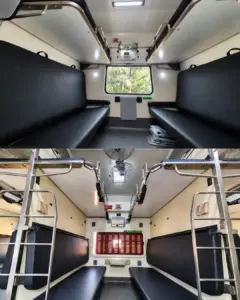
In a major move aimed at strengthening emergency response systems and saving lives during accidents and medical emergencies, the Supreme Court has directed all states and Union Territories to integrate multiple emergency helplines into a single national emergency number — 112 — within the next three months. The court observed that access to timely trauma care is an essential part of the Right to Life guaranteed under Article 21 of the Constitution.
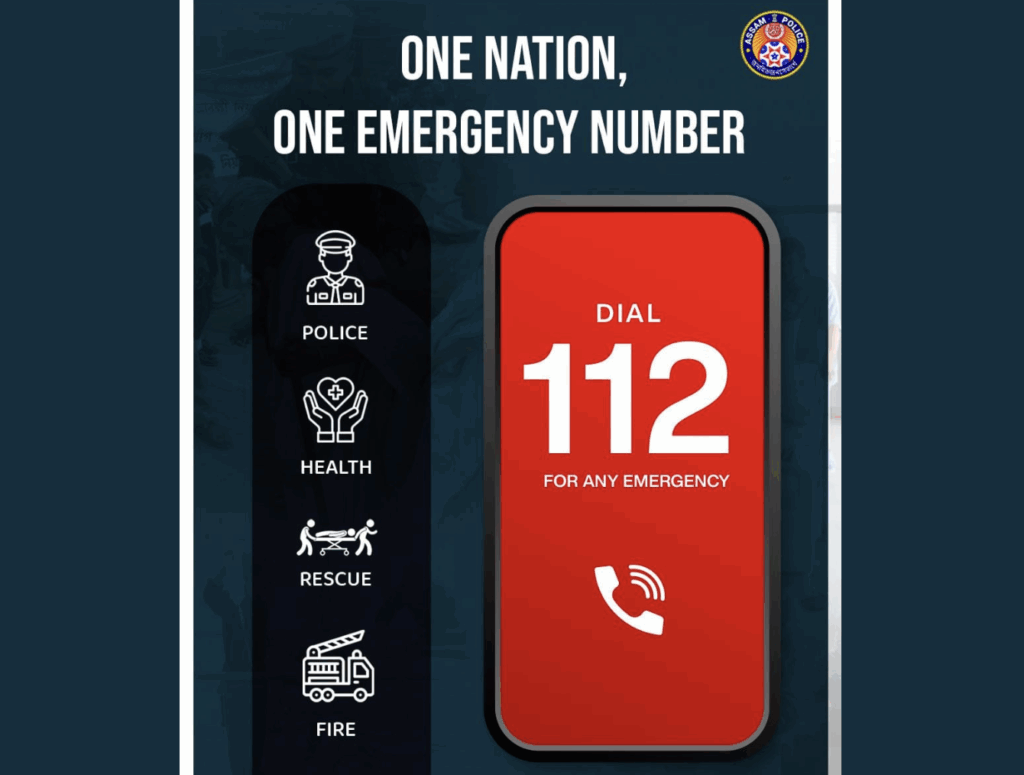
The order is expected to streamline emergency services across the country and reduce confusion caused by the existence of multiple helpline numbers for different emergencies.
One Number For All Emergencies
Currently, India operates several emergency helplines, including:
- 100 for police
- 101 for fire services
- 108 for ambulance services
- 102 for medical assistance
- 1091 for women’s safety
- 1033 for highway emergencies
The Supreme Court has now directed that all these services be integrated into the 112 emergency response system, creating a unified access point for citizens seeking urgent assistance.
The bench of Justices J.K. Maheshwari and Atul S. Chandurkar stated that a uniform and robust trauma-care framework could play a critical role in reducing preventable deaths, especially in road accidents.
Trauma Care Linked To Right To Life
The order came while hearing a petition filed by SaveLIFE Foundation, a road safety organisation that sought recognition of trauma care as a legal right within India’s public healthcare framework.
The court noted that accident victims often lose crucial survival chances due to delays in emergency response and transportation. It emphasized that “every minute” without medical intervention can significantly reduce the chances of survival.
India records one of the highest numbers of road accident fatalities globally, with over 1.77 lakh deaths reported in 2024. Experts have repeatedly pointed to delayed trauma care and emergency response as major contributing factors.
Protection For Good Samaritans
Apart from the helpline integration, the Supreme Court also directed states to establish functional grievance redressal systems for Good Samaritans — citizens who help accident victims during emergencies.
The court acknowledged that many bystanders hesitate to help because of fears related to police procedures, legal complications, or being summoned as witnesses. To address this, states have been instructed to strengthen awareness and protection mechanisms for Good Samaritans.
Ambulance And Trauma System Reforms
The Supreme Court also directed states to:
- Ensure compliance with National Ambulance Code standards
- Equip ambulances with GPS tracking systems
- Integrate ambulance networks with helpline 112
- Conduct audits of response times and quality of care
- Establish trauma registries across healthcare facilities
The Centre has also been asked to create a standardized medical rescue protocol for trauma cases.
A Major Shift In Emergency Response
The move is being viewed as one of the most significant reforms in India’s emergency healthcare and accident-response system. Experts believe a unified emergency number could improve coordination between police, ambulances, fire departments, and disaster-response agencies while reducing delays during critical situations.
If implemented effectively, the 112 integration could become India’s equivalent of the 911 emergency system used in the United States, providing faster and more organized emergency assistance nationwide.
Summary
The Supreme Court has directed all states and Union Territories to integrate emergency helplines such as 100, 101, 102, 108, 1033, and 1091 into a single emergency number, 112, within three months. The court said trauma care is an integral part of the Right to Life and also ordered reforms in ambulance services, Good Samaritan protections, and trauma-care infrastructure to improve emergency response across India.