Artificial intelligence companies are facing growing criticism over reports that printed books, including rare and out-of-print editions, are being purchased in bulk, scanned for AI training, and then destroyed.
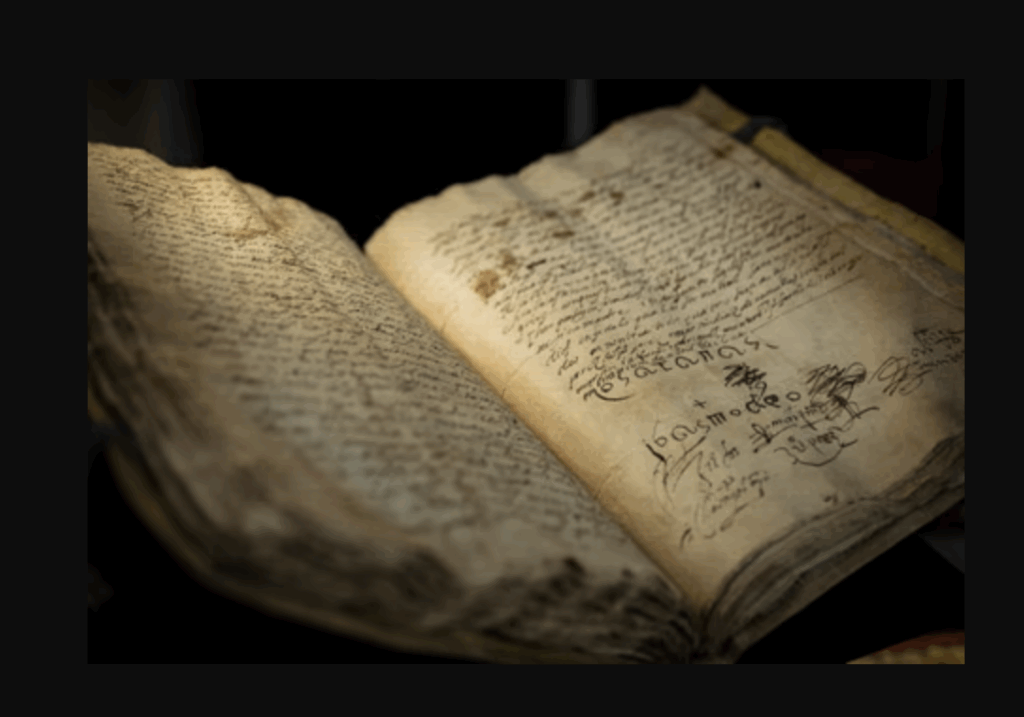
The practice has sparked concerns among booksellers, publishers, and cultural preservation experts, who argue that while digitising books for AI development may improve language models, destroying physical copies—especially uncommon ones—could result in the permanent loss of valuable literary and historical works.
Rare And Out-Of-Print Titles At Risk
According to reports, many of the books being acquired are not ordinary bestsellers but include rare, foreign-language, and out-of-print editions that are increasingly difficult to replace.
Booksellers have expressed mixed feelings about the trend. While large bulk purchases help clear unsold inventory and generate revenue, many are uncomfortable knowing that some of the books may be destroyed after scanning instead of reaching readers or libraries.
The concern is particularly significant for books that have very few surviving physical copies.
AI’s Growing Need For High-Quality Training Data
The rapid development of AI models has created an enormous demand for high-quality human-written content. Printed books are considered valuable because they contain carefully edited, reliable information and are free from AI-generated material that has become increasingly common online.
As a result, some companies are reportedly sourcing printed books on a large scale to improve the quality of datasets used for training advanced AI systems.
The process typically involves removing the book’s spine, scanning every page using high-speed equipment, and then discarding or recycling the physical copy.
Copyright And Ethical Questions Continue
Although purchasing books legally and scanning them may be permitted under certain legal frameworks, critics argue that the ethical concerns go far beyond copyright law.
Experts warn that destroying rare books reduces public access to cultural heritage and transfers valuable knowledge into private AI datasets that are generally inaccessible to the public. The practice has reignited debates over balancing technological progress with the preservation of literary history.
A Debate That Is Far From Over
As AI companies continue searching for better training data, pressure is mounting to find methods that preserve physical books instead of destroying them. Many experts believe technological innovation should not come at the cost of permanently losing rare and historically significant publications.
Summary
AI companies are facing criticism for reportedly buying, scanning, and destroying printed books—including rare and out-of-print editions—to train AI models. While the practice provides high-quality training data, critics warn that it risks permanently erasing valuable literary works, raising ethical concerns over cultural preservation, copyright, and the growing demand for human-authored content.