A nationwide survey by LocalCircles has revealed that 74 percent of quick-commerce consumers support the government’s move to restrict “10-minute delivery” promises by instant delivery platforms. This strong majority suggests a shift in consumer sentiment away from ultra-fast delivery branding toward greater emphasis on safety, worker welfare and balanced convenience in India’s booming quick-commerce sector.
Survey Findings: Consumers Favor Safety Over Extreme Speed
The LocalCircles survey gathered more than 90,000 responses from across 180 districts in urban India. Participants were asked whether they supported the government’s advisory urging quick-commerce companies to stop advertising fixed “10-minute delivery” timelines. A substantial 74 percent of respondents said they backed the move, while only a minority opposed it or were undecided.
When consumers were asked if they personally wanted deliveries within ten minutes, 38 percent said they did not want any product in that time frame. Of those who still valued ultra-fast delivery, medicine delivery was the top priority, followed by essential items such as groceries.
Context: Government And Union Action On Delivery Timelines
The survey results come shortly after the Union Labour Ministry urged leading quick-commerce companies to drop rigid 10-minute delivery promises from their marketing, citing concerns that such extreme timelines place undue pressure on delivery partners, contribute to unsafe riding conditions and worsen working conditions for gig workers.
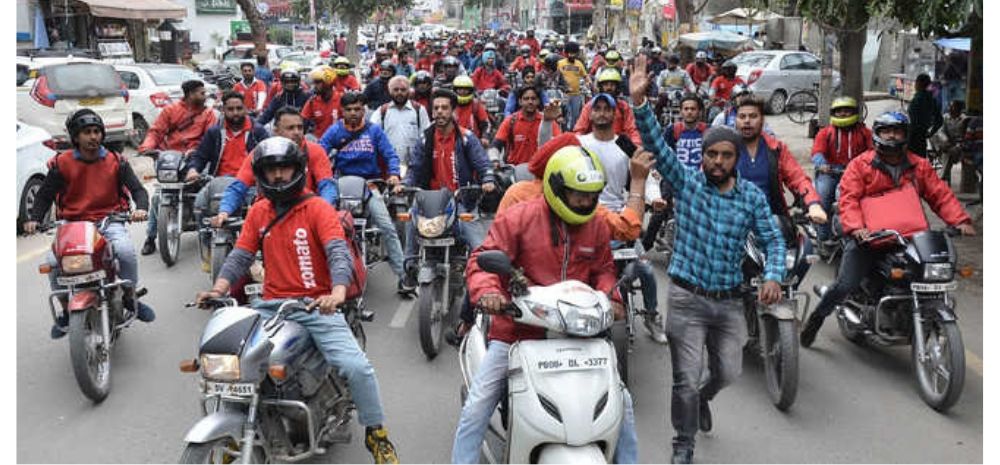
Gig worker unions had staged protests and strikes in late December 2025, demanding protections, better pay and an end to unrealistic delivery expectations. Following this pressure and official advisories, several platforms — including Blinkit, Zepto and others — have already removed or altered their 10-minute delivery branding.
Consumer Priorities And Preferences
The survey highlights a nuanced consumer attitude toward quick commerce:
- Comfort with speed remains for critical items like medicines and immediate essentials.
- For most other products — especially discretionary goods — consumers do not feel ultra-fast delivery is necessary.
- Many respondents said they would rather wait slightly longer if it meant enhanced rider safety and reduced pressure on delivery workers.
This shift reflects growing awareness among users of the human costs associated with extreme delivery models, including potential road safety risks and gig worker exploitation.
What This Means For Quick Commerce
The broad backing for limiting 10-minute delivery timelines suggests that regulatory guidance aligns with consumer sentiment, not just worker welfare groups. Industry observers believe this could lead to:
- Rebalanced delivery promises focusing on reliability over speed
- More sustainable business practices that prioritise safety
- Consumer expectations that favour well-managed logistics without extreme speed pressure
The survey’s findings could influence how quick-commerce platforms position their services going forward, with potential long-term shifts in marketing, operational norms and worker policy strategies.