

Nearly half of India’s two-wheeler buyers are considering switching to electric vehicles (EVs), signalling a shift in consumer preferences as electric mobility moves beyond early adopters. According to a new report by Boston Consulting Group (BCG), 43% of consumers are actively considering an electric two-wheeler for their next purchase in 2026, compared with 30% in 2024.
The report, titled Electric in Charge: How India’s Electric Two-Wheelers Are Moving into the Mainstream, highlights rising consumer acceptance, improving perceptions of electric scooters and the emergence of new customer segments. However, concerns about long-term durability, battery range and performance on rough roads continue to influence buying decisions.
Electric Two-Wheeler Sales Share Rises to 9.9%
Electric two-wheelers accounted for 9.9% of India’s total two-wheeler sales between April and August 2026, compared with 5.5% in FY2024, according to the BCG report.
Electric scooters have recorded an even stronger increase in market penetration. Their share of total scooter sales rose from 16.8% in FY2024 to 24.1% in FY2027 year-to-date through August 2026.
The report estimates that approximately 1.8 lakh consumers purchase their first electric two-wheeler every month. Electric scooters have also expanded considerably faster than their petrol-powered counterparts, supported by lower running costs, wider model availability and growing consumer familiarity.
More Buyers Are Becoming Comfortable With Electric Scooters
Consumer perceptions of electric two-wheelers have improved across several parameters, including design, acceleration and brand trust.
Among short-distance work commuters, the proportion of consumers who considered electric two-wheelers aesthetically appealing increased from 30% in 2024 to 59% in 2026. The share associating them with good pickup also rose from 27% to 48%.
Meanwhile, the proportion of consumers rejecting electric two-wheelers outright declined from 38% in 2024 to 29% in 2026.
These changes suggest that electric vehicles are increasingly being considered alongside conventional petrol-powered scooters rather than being viewed as an unfamiliar alternative.
Battery Life and Rough-Road Performance Remain Concerns
Despite rising acceptance, buyers continue to have questions about the long-term ownership experience of electric two-wheelers.
BCG identified concerns around battery longevity, ease of servicing, safety, highway suitability and performance on rough roads. The relatively short ownership history of many electric two-wheelers also makes it difficult for consumers to assess their lifespan compared with petrol-powered vehicles.
At the same time, existing owners generally reported positive experiences in areas such as running costs, maintenance expenses, comfort, storage, manoeuvrability and digital features.
For manufacturers, improving service availability, battery warranties, insurance options and resale support could help convert consumer interest into actual purchases.
Delivery Riders and Small-Town Gen Z Create New Demand
The electric two-wheeler market is also attracting customer groups with different mobility requirements.
BCG identified full-time quick-commerce and food-delivery riders as an emerging segment. These consumers typically prioritise affordability, speed and manoeuvrability because their vehicles are used intensively throughout the day.
Another growing segment consists of Gen Z riders in non-metro markets. These buyers often seek stylish, durable two-wheelers capable of handling longer commutes and uneven roads.
The findings suggest that manufacturers will need to develop products suited to different riding patterns rather than relying on a single electric vehicle proposition for all consumers.
Competition Intensifies as More EV Models Enter the Market
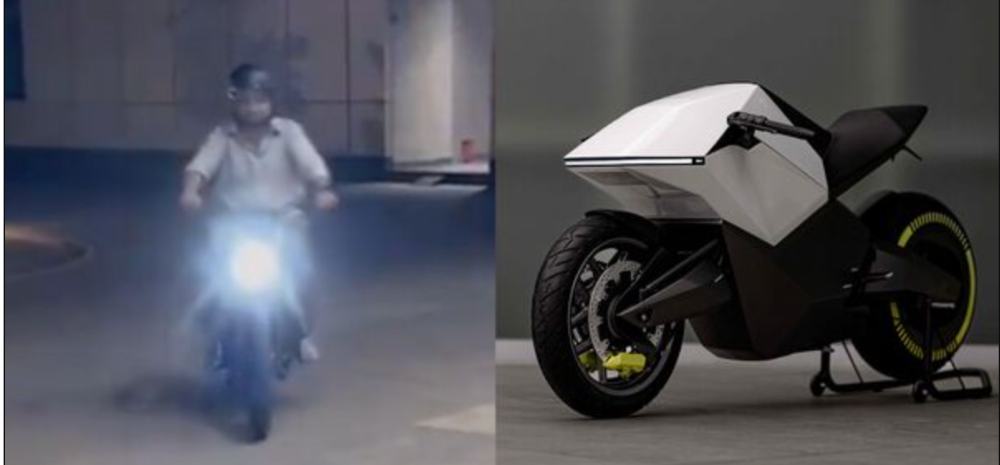
India’s electric two-wheeler market has expanded its product range considerably. According to BCG, the number of available electric two-wheeler models has increased by around 30% since 2023, while the number of electric motorcycle models has doubled.
Despite the wider selection, five brands still account for approximately 83% of the market.
As adoption grows, competition is likely to depend increasingly on product design, performance, pricing, reliability and after-sales support. Manufacturers will also need to build consumer confidence throughout the ownership journey, from the initial purchase to battery replacement and resale.
India’s Electric Two-Wheeler Market Enters a New Phase
The BCG findings indicate that electric two-wheelers are becoming a mainstream consideration for Indian consumers. Rising purchase intent and increasing market penetration point to growing acceptance, particularly in the scooter segment.
However, the gap between purchase consideration and actual adoption remains important. Addressing concerns about durability, servicing and road performance will be essential if manufacturers want to turn growing interest into sustained sales growth.