New Headlight Rules Planned
The Indian government is preparing stricter vehicle lighting rules aimed at reducing excessive headlamp glare and improving road safety, particularly during night-time driving.
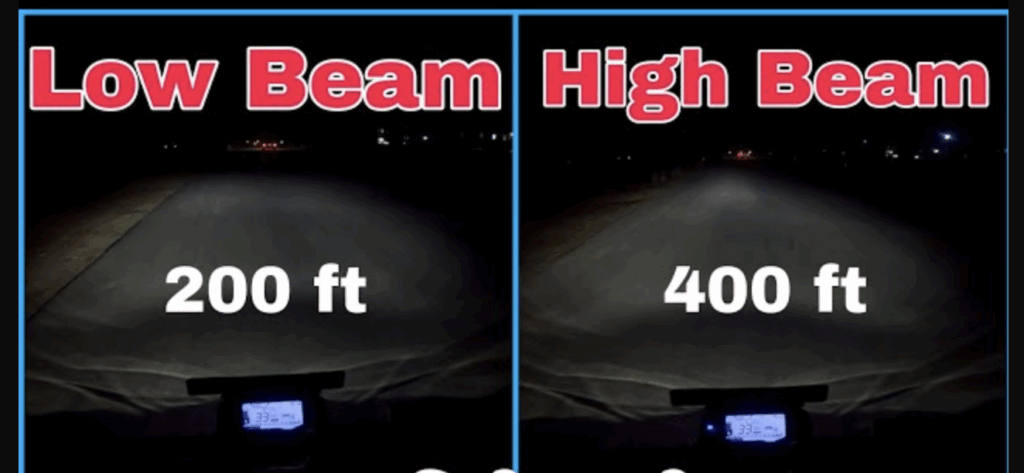
Under the proposed changes, automatic headlamp systems on new two-wheelers could be required to operate only in low-beam or passing-beam mode.
The proposed amendments are part of changes being considered to the Central Motor Vehicles Rules, with the new safety requirements expected to take effect from April next year.
Bikes May Be Restricted To Low Beam
The biggest change will affect automatic headlamp systems on motorcycles and scooters.
At present, automatic headlamp systems can operate with different beam settings depending on the vehicle’s configuration.
Under the proposed rules, automatic operation on new two-wheelers would keep the headlamp in low-beam mode.
The objective is to prevent motorcycles from automatically producing excessive glare for other road users.
The proposed requirement would apply to new two-wheelers, rather than vehicles already on the road.
High-Beam Intensity Could Be Reduced
The government is also proposing tighter limits on the intensity of high-beam headlights.
For two-wheelers, the maximum permissible intensity could be reduced from 1.5 lakh candela to 1 lakh candela.
For four-wheelers, the proposed limit could fall from 2.25 lakh candela to 1.5 lakh candela.
Candela is the unit used to measure luminous intensity.
The proposed reduction is intended to prevent extremely powerful headlights from causing discomfort or temporarily affecting the vision of drivers travelling in the opposite direction.
Why Is The Government Targeting Headlight Glare?
Excessive headlight glare has become a growing concern on Indian roads, particularly with the increasing use of powerful LED lighting.
High-intensity lights can make it difficult for oncoming drivers to see the road clearly.
The problem becomes particularly serious on highways and poorly lit roads, where drivers may suddenly encounter an extremely bright headlamp.
The proposed regulations are intended to address the problem through vehicle design and lighting standards rather than relying only on driver awareness.
Headlamp Colour Temperature May Also Be Limited
The proposed changes could also introduce a maximum colour temperature for vehicle headlamps.
The suggested upper limit is 6,500 Kelvin.
Very high colour-temperature lighting can produce extremely bright white or bluish light, which may contribute to visual discomfort and glare.
By establishing a maximum limit, authorities want to ensure that vehicle lighting remains within a range considered more suitable for road use.
Cars And Bikes Could Get High-Beam Alerts
Another proposed safety feature could warn drivers when they unnecessarily activate high beam in urban areas.
The system could provide an audio alert when the driver manually switches to high beam under conditions where it may not be appropriate.
The warning could also be speed-sensitive, allowing the system to distinguish between different driving situations.
The idea is to encourage drivers to switch back to low beam when high beam is unnecessary.
Heavy Vehicles May Need Reflective Tape
The proposed lighting changes are not limited to headlights.
Buses and other heavy vehicles could also be required to use genuine reflective tapes to make them more visible at night and during poor weather.
Reflective markings can help approaching drivers identify the size and position of large vehicles from a greater distance.
This could be particularly useful on highways, where visibility can deteriorate rapidly because of darkness, rain, fog or dust.
The Rules Target New Vehicles
An important point for vehicle owners is that the proposed changes are primarily aimed at new vehicles.
The proposed low-beam requirement for automatic headlamps on two-wheelers would not mean that existing motorcycles and scooters would suddenly need their lighting systems replaced.
The changes would instead influence the specifications and equipment used by manufacturers in future vehicles.
Why Automatic Headlamps Are Being Targeted
Automatic headlamp systems were introduced to ensure that lights remain switched on when vehicles are being driven.
However, the government believes that simply keeping headlights switched on is not enough.
The beam must also be appropriate for surrounding traffic.
A low-beam setting provides forward illumination while reducing the amount of light directed towards the eyes of other road users.
The proposed change therefore seeks to make automatic operation safer without eliminating the benefits of automatic lighting.
LED Headlights Are Under Greater Scrutiny
Modern LED headlights offer significantly greater lighting performance than many older lighting systems.
That can improve visibility for the driver using them, but excessive brightness can create problems for everyone else on the road.
Incorrectly adjusted or modified headlights can make the situation even worse.
The proposed limits are therefore aimed at controlling the intensity and characteristics of vehicle lighting rather than preventing the use of modern lighting technology altogether.
What This Could Mean For Bike Owners
For people buying a new motorcycle or scooter in the future, the most noticeable change could be the way the automatic headlamp behaves.
Instead of allowing automatic operation to use a high beam, the system would remain in passing-beam mode.
Riders would still be able to use high beam when permitted and appropriate through the vehicle’s manual controls, subject to the applicable rules.
The change is primarily designed to prevent unnecessary glare.
What This Could Mean For Car Owners
Car buyers could also see changes in headlamp specifications.
New vehicles may have lower maximum permissible high-beam intensity and potentially a system that warns drivers about unnecessary high-beam use in urban environments.
The objective is to reduce situations where a driver using high beam unintentionally blinds another road user.
For existing vehicles, the proposed changes do not automatically mean that owners will have to replace their current headlights.
Better Visibility For Heavy Vehicles
Reflective markings on buses and heavy vehicles could provide another safety advantage.
Large vehicles can be difficult to see from a distance, particularly when they are stationary or moving slowly on dark roads.
Reflective tape can make the outline of the vehicle more visible when illuminated by another vehicle’s headlights.
This could give approaching motorists additional time to react.
A Wider Road Safety Push
The proposed lighting regulations form part of a broader effort to improve road safety through vehicle standards.
Instead of depending entirely on individual drivers to use headlights correctly, the government is looking at technology and vehicle design that can reduce the possibility of dangerous lighting behaviour.
That includes controlling headlamp intensity, restricting automatic high-beam operation and improving vehicle visibility.
Rules Could Start From April 2027
The proposed safety norms are expected to come into effect from April next year, subject to the regulatory process and final notification.
Until the rules are officially notified, the proposed limits and requirements should not be treated as final requirements for vehicle owners or manufacturers.
The final regulations could determine the exact technical specifications and implementation timelines.
The Main Goal: Less Glare, Safer Roads
The proposed changes are ultimately focused on one major problem: excessive glare.
Powerful headlights may improve visibility for the vehicle using them, but they can make it considerably harder for other drivers to see.
By keeping automatic bike headlights on low beam, reducing permissible high-beam intensity, controlling colour temperature and encouraging appropriate high-beam use, the government wants to create safer night-time driving conditions.
If implemented effectively, the changes could make Indian roads less affected by blinding headlights while maintaining adequate illumination for drivers.
Summary
India is preparing stricter vehicle lighting rules to reduce dangerous headlamp glare. Automatic headlights on new two-wheelers may be restricted to low-beam operation, while high-beam intensity limits could be reduced for bikes and cars. Headlamp colour temperature may also be capped at 6,500 Kelvin, while buses and heavy vehicles could require reflective tape. The proposed rules are expected to take effect from April 2027, subject to final notification.