In one of the biggest clean-up exercises since the National Food Security Act (NFSA) came into force, the Union government has removed nearly 2.25 crore ineligible beneficiaries from the free monthly ration scheme. This nationwide purge was completed over the last four to five months after the Centre directed all states to eliminate inflated or erroneous beneficiary entries by September 30.
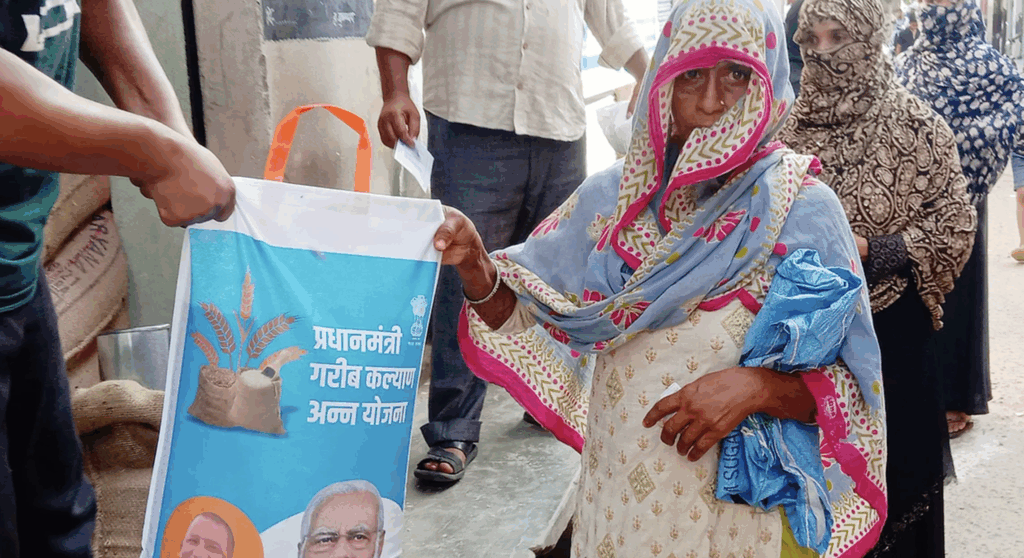
Food Secretary Sanjeev Chopra confirmed the development on November 18, stressing that the clean-up is essential for improving the targeting accuracy of India’s most extensive food welfare programme.
Who Was Removed?
The Ministry of Consumer Affairs, Food and Public Distribution identified several categories of individuals who were wrongly availing subsidised food grains:
- People owning four-wheelers
- Individuals with monthly incomes above state-specific limits
- Company directors registered with the Ministry of Corporate Affairs
- Deceased persons whose names remained on ration cards
These names were flagged through data analytics and then handed to respective state governments for verification. Only after confirmation were they removed from the NFSA list.
Why This Clean-Up Was Necessary
Under the NFSA, enacted in 2013, 81.35 crore Indians—around two-thirds of the population—are entitled to subsidised food grains. This includes:
- Antyodaya Anna Yojana (AAY) households, receiving 35 kg of food grains monthly
- Priority Household (PHH) beneficiaries, receiving 5 kg per person per month
However, states had reported only 80.56 crore active beneficiaries, leaving space for nearly 0.79 crore newly eligible people to be added.
Officials said the presence of “unintended beneficiaries” was diluting the scheme’s ability to reach the poorest families. The clean-up aims to redirect resources to households genuinely in need.
Massive Operational Effort Behind the Purge
India’s food security ecosystem is enormous, relying on:
- 19 crore+ ration cards
- 5 lakh fair price shops
- Coordination across all states and Union Territories
Despite digitisation, Aadhaar authentication, and portability features, issues such as outdated records, income mismatches, and misuse of ration cards persisted.
What Happens Next?
States have already begun onboarding verified eligible households to replace those removed. The government says the clean-up will not reduce coverage but will strengthen fairness, accountability, and delivery efficiency.
By tightening beneficiary lists, India aims to ensure that its massive food subsidy network continues to support those who need it most.