Starting January 1, 2026, the UAE is overhauling its taxation model for soft drinks. The current flat 50% excise tax will be replaced by a tiered sugar-content tax, a major shift designed to encourage healthier consumption habits and align with the GCC’s new public health framework.
What Changes for Consumers
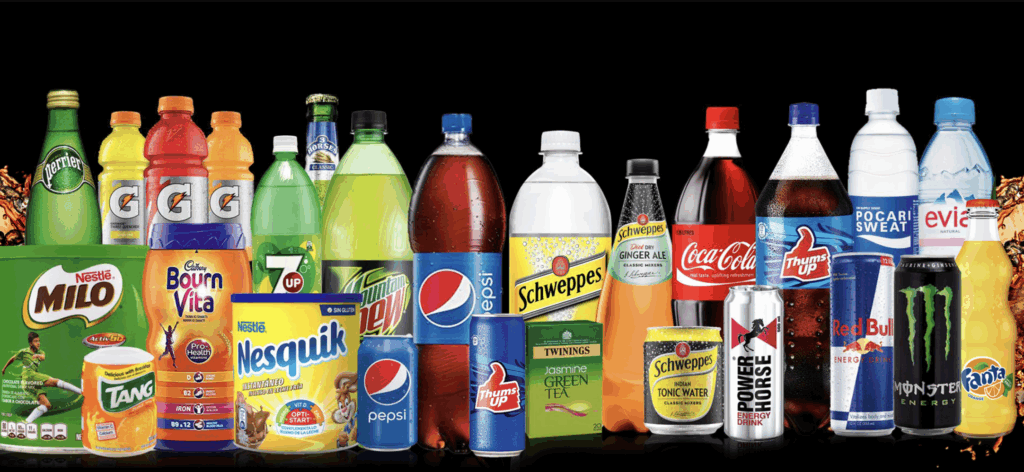
The price of soft drinks will no longer depend solely on brand or retail margins — sugar per 100ml will now determine the final cost. Drinks will be classified into categories — high (≥8g/100ml), moderate (≥5 and <8g/100ml), low (<5g/100ml), and zero sugar — each with a different excise rate.
- High-sugar sodas and juices: Likely to become significantly more expensive.
- Low- or zero-sugar drinks: Could become cheaper, offering budget-friendly options for health-conscious buyers.
- Energy drinks: Will remain subject to the existing 100% excise tax.
- Natural sugar drinks: May be exempt if no artificial sweeteners are added.
How the Volumetric System Works
Unlike the current ad-valorem tax, which applies a fixed percentage of the retail price, the new volumetric tax charges based on grams of sugar per 100ml. Manufacturers and importers must now:
- Conduct lab tests to verify sugar content.
- Re-register products under the new classification.
- Update labelling and packaging to reflect accurate information.
Impact on Households and Industry
- Households: Frequent buyers of sugary drinks will notice higher grocery bills. Switching to diet or low-sugar alternatives can reduce expenses.
- Parents: Children’s beverages may change in price, and companies could reformulate recipes to stay competitive.
- Businesses: Retailers, distributors, and beverage brands must prepare for testing, relabelling, reclassification, and re-registration before the 2026 rollout.
Tips to Prepare for the Shift
- Read nutrition labels: Focus on sugar content per 100ml.
- Switch smartly: Zero-sugar alternatives may deliver better value.
- Plan purchases: Watch for pre-2026 promotions as companies clear high-sugar inventory.
Why This Matters
The UAE government says the change is about more than revenue — it’s about public health. Taxing sugar content encourages healthier consumption, reduces lifestyle diseases, and incentivizes reformulation across the beverage industry. For consumers and businesses alike, the shift signals a future where healthier choices cost less and sugary indulgences come at a premium.