

India had 55,233 public Wi-Fi hotspots at the end of June 2026, highlighting the gap between the country’s enormous internet user base and the availability of shared wireless connectivity. Data published by the Telecom Regulatory Authority of India (TRAI) shows that public Wi-Fi remains a relatively small part of India’s broader digital infrastructure.
The figures come from TRAI’s telecom performance report for April to June 2026, released in October. The report also recorded approximately 1.11 billion internet subscriptions nationwide, underlining the scale of India’s connected population.
TRAI Data Reveals the Scale of India’s Connectivity
According to the report, India had 1,114.17 million internet subscribers at the end of June 2026, including 1,087.50 million broadband subscribers.
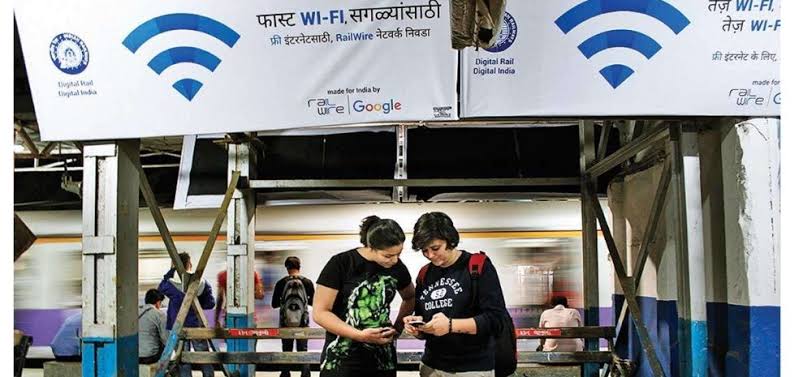
Despite this extensive connectivity, the country recorded only 55,233 public Wi-Fi hotspots. These are locations where people can access wireless internet in public or shared spaces, such as railway stations, markets, educational institutions and other high-footfall areas.
The figures highlight an important distinction: mobile internet subscriptions have expanded rapidly, but access to shared public Wi-Fi infrastructure remains comparatively limited.
Public Wi-Fi can help people connect in locations where mobile coverage is weak, reduce reliance on mobile data allowances and provide affordable connectivity for students, commuters, small businesses and visitors.
Why Is Public Wi-Fi Important for India?
India’s internet growth has been driven largely by affordable mobile data and widespread smartphone adoption. However, public Wi-Fi can complement mobile networks by providing connectivity in crowded areas and underserved communities.
Reliable public hotspots can be particularly useful for students accessing online learning materials, workers using digital services and travellers who need internet access away from home.
Public Wi-Fi can also help small businesses and local establishments provide connectivity without requiring every customer to rely exclusively on a personal mobile data connection.
However, expanding the network requires more than installing routers. Operators must address installation costs, backhaul connectivity, maintenance, user authentication, cybersecurity and sustainable business models.
PM-WANI Is India’s Public Wi-Fi Expansion Initiative
The government launched the Prime Minister Wi-Fi Access Network Interface (PM-WANI) framework to encourage the expansion of public Wi-Fi services through a decentralised model.
The framework allows public data offices, local businesses and other participants to provide Wi-Fi access through authorised ecosystem partners. Its aim is to make public internet access easier to deploy, particularly in areas where conventional commercial models may not be attractive.
In April 2026, TRAI released a consultation paper examining barriers to the growth of public Wi-Fi networks. The regulator sought feedback on issues including authentication, billing, roaming, authorisation and viable revenue models.
The consultation reflects the need to make public Wi-Fi easier to use while ensuring that operators can maintain reliable services.
Security and Ease of Use Remain Major Challenges
Public Wi-Fi networks can raise security concerns, particularly when users connect to unknown or poorly secured hotspots. Consumers may hesitate to use them for sensitive activities such as banking or accessing confidential information.
Complicated login procedures and repeated authentication requirements can also discourage people from connecting.
Industry stakeholders have proposed more seamless authentication systems and stronger security measures to improve the user experience. A successful expansion strategy will need to balance convenience, affordability and protection against cyber threats.
India’s Digital Infrastructure Needs a Broader Approach
The June 2026 figures show that India has achieved enormous scale in internet subscriptions, but public Wi-Fi remains an area with room for development.
Expanding reliable hotspots could improve connectivity in public spaces, complement mobile networks and support digital inclusion. Achieving this will require cooperation between the government, telecom operators, internet service providers, local businesses and technology companies.
The challenge is not simply to increase the number of hotspots. India also needs networks that are affordable, secure, easy to access and financially sustainable.
Summary
TRAI reported 55,233 public Wi-Fi hotspots in India at the end of June 2026, compared with more than 1.11 billion internet subscriptions. The figures highlight the limited scale of shared Wi-Fi infrastructure despite widespread internet adoption. The government’s PM-WANI initiative aims to expand public access, but authentication, security, operating costs and sustainable business models remain important challenges.